
26 Reasons You Should Start a Garden in 2026
Lets explore the long list of reasons why starting/expanding a garden is the most important thing you can possibly do in 2026
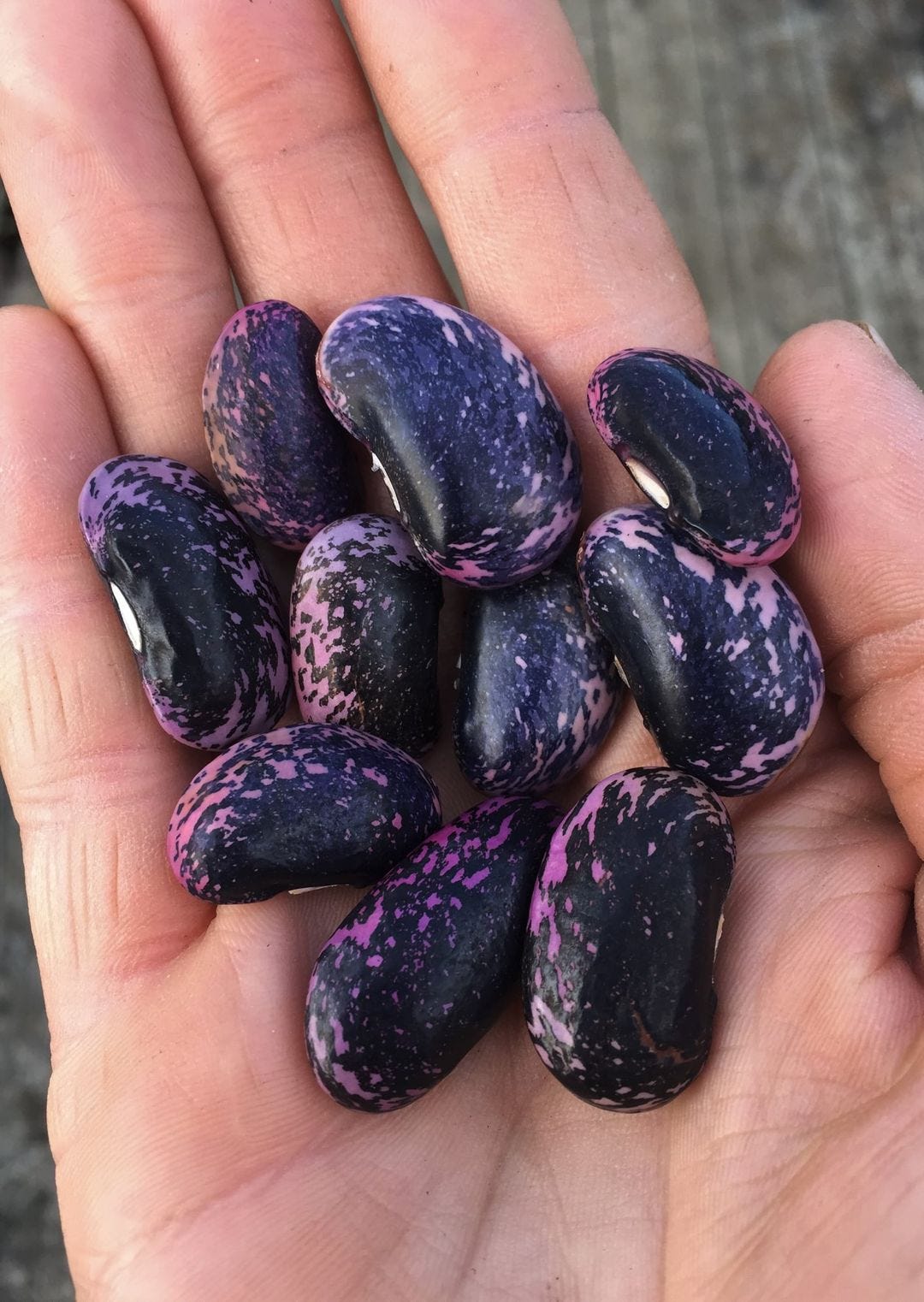
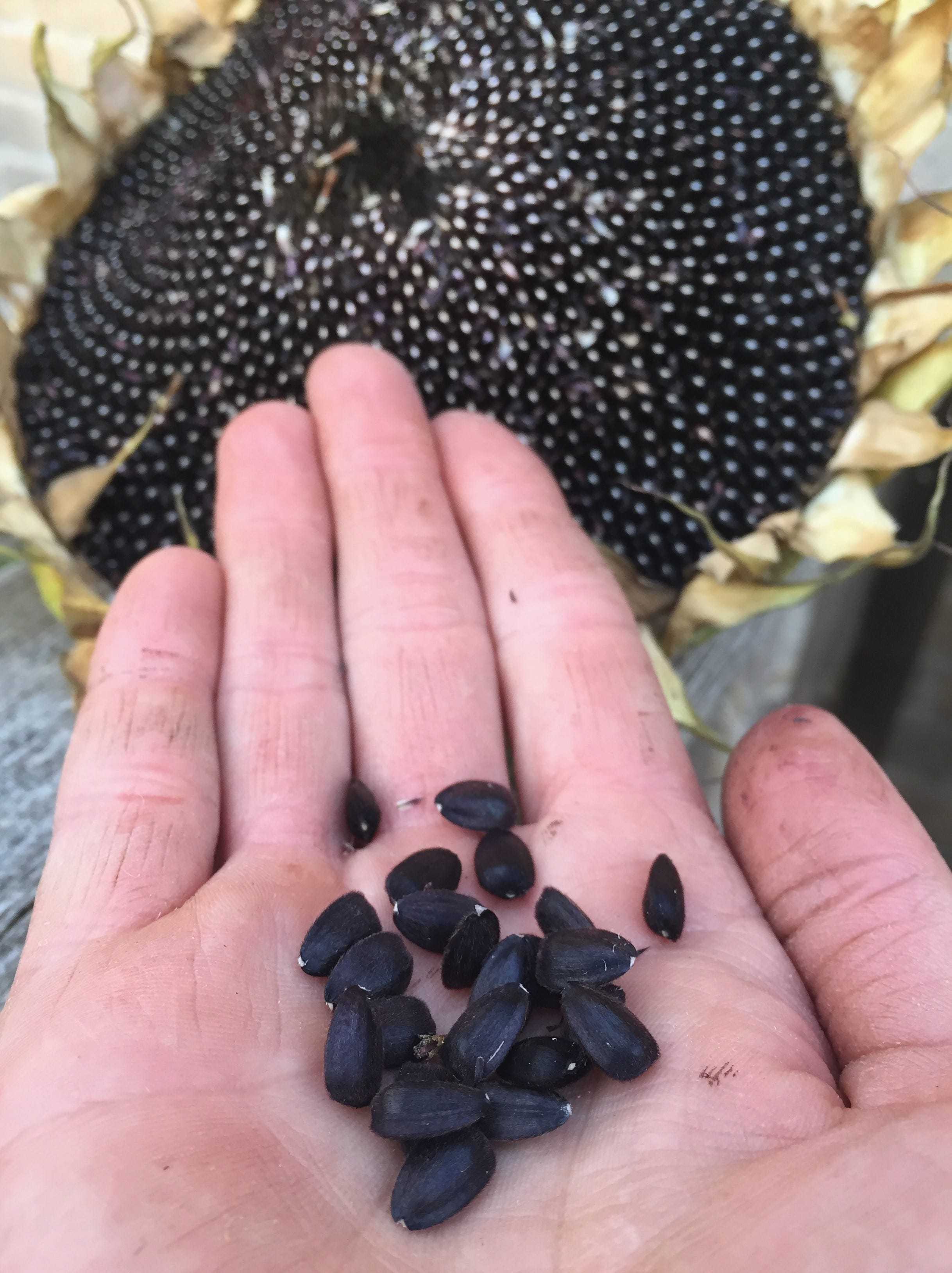
I want to remind you that you are capable of co-creating wonderful things on this Earth when you choose to learn from the Creator’s design and use your gifts in service of life and Creation. You did not arrive here by accident, your life is a gift from God, it is intentional, it is brimming with potential and it has meaning. When you hold a handful of heirloom seeds in your hand and look upon the fertile living earth, what you are witnessing is the invitation from the Creator to put your human gifts to good use for the benefit of all beings.
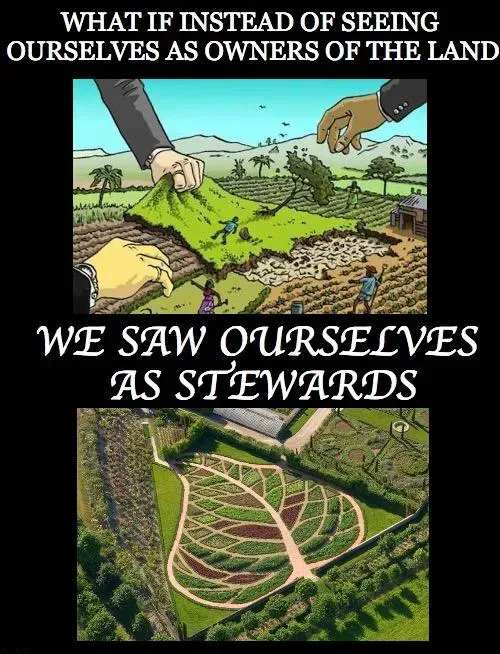
Planting a seed in the living earth is a prayer and an act of faith in hope for tomorrow. It says “Thank You God for this opportunity to know your work and thank you to the Living Earth for providing all we need to live. I want to give back in gratitude for these gifts”.
Some of the most beautiful gifts that embody the spirit of hope, kindness, joy and good will are those gifts that you arrived with when you chose to come to this world and live the human life you are living now. These gifts are inside you, they are unique to you and you possess them so that you can engage in the sacred task of sharing those gifts with this world.
When you take time to look inward, discover your unique gifts and then imagine a way you can use your gifts to nurture other beings to achieve their highest potential, give back to the living planet that gives to much to us and create things that express the essence of your spirit manifested in physical form and/or poetry for the senses, you are giving the most valuable gifts in this universe. No one else can share the same gifts that you can (in the same way you have the potential to share them with).
Prophecy Of The Seventh Fire
You can watch a video clip with Robin Wall Kimmerer sharing one interpretation of it here:
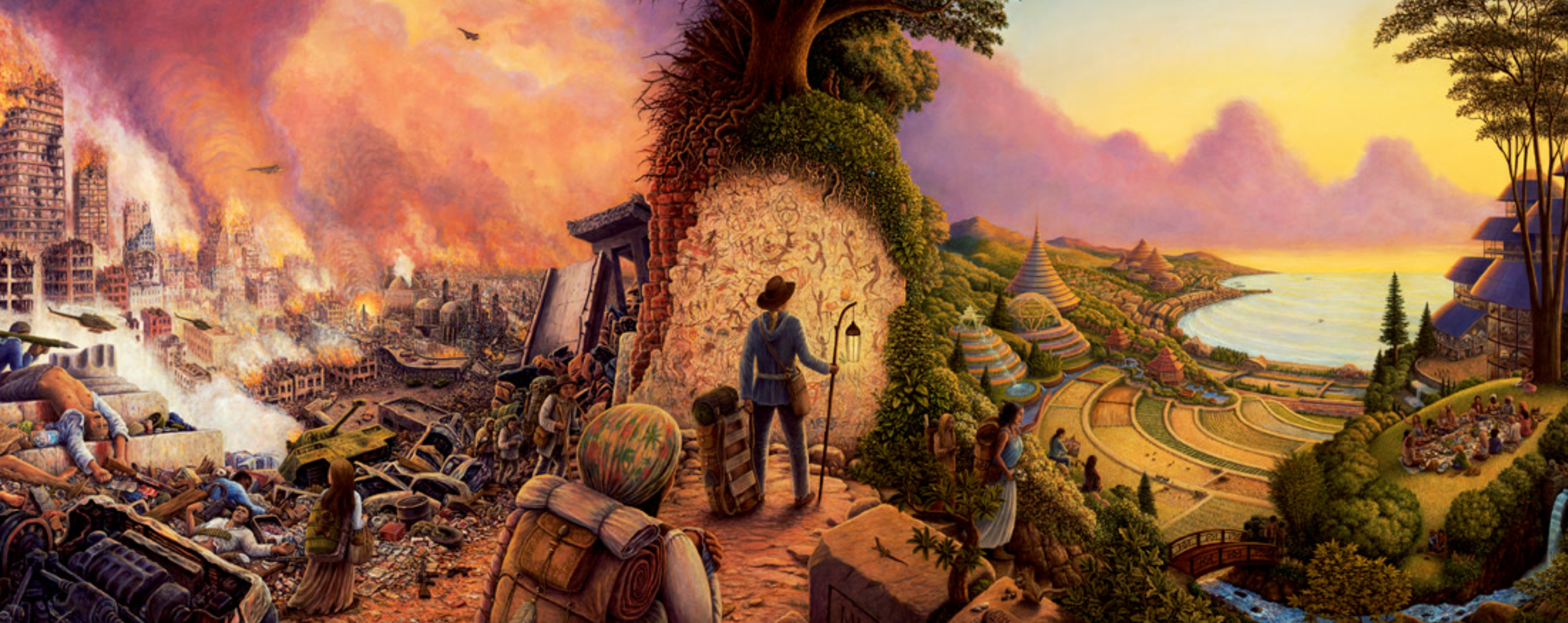
The prophecy says that there will come a time when people of all colors and creeds who seek to embark down the soft green path together must first look back to the teachings and the wisdom of their ancestors, to choose as they did, to nurture a symbiotic relationship with the land and embrace a reverence for the living Earth (which will provide them the guidance they on the path forward).
I believe that in many ways, each of us stands at that fork in the road that the Seventh Fire prophecy describes, right now.
Another form of wisdom offered to us on our quest to choose “the soft and green path” and co-create a future worth living in and gifting to future generations by our brothers and sisters in the Haudenosaunee Confederacy is the Seventh Generation Principle.
The Seventh Generation Principle is an Indigenous Concept, to think of the 7th generation coming after you in your words, work and actions, and to remember the seventh generation who came before you.
This is just one example of a helpful sign post and illuminating candle that those who came before us offer us, which can help us to safely navigate the path ahead. Each of us must look into both the wisdom of our ancient ancestors and our hearts to find the courage to let go of our material addictions, give our time and energy to honor the sacred gifts God gave us through giving back to Mother Earth, and in doing so to chose the soft, green and hopeful path at this fork in the road.
We approach a tipping point. As it is with a great storm that uproot the mightiest of trees there will inevitably come a time when the light shines down on the rich fertile Earth where it had not reached for many years, and the seeds that have been sown or lay dormant there will awaken and spring forth with new found energy and purpose.
You asked to be here on Earth in this particular time (and critical stage in the unfolding of humanity) and were granted that request by the Creator because you are resilient, courageous, capable of transmuting pain into wisdom, radiating light from within to make the darkness flee and serving as an exemplar to help those who are ready to also become catalysts for a metamorphosis. God (the Creator) gifted you free will on this journey and will respect your choices (whether they serve to enrich your eternal spirit and creation, or not). The fork in the road where we stand is the defining point in the human story.
This is a time where each human is being given the opportunity to choose to embody the template for a new expression of the promise and the potential of humanity. With the knowledge, skills and awareness we now possess (much of which I will share with you in the post below) we are able to begin utilizing our innate abilities as human beings to align fully with the regenerative forces of nature (which are a physical expression of the genius and design of the Creator).
As we strive to redefine what it means to be a human being, I invite you to also examine the stagnant and calcified perception we have of concepts like courage, wisdom and strength. Courage and wisdom take many forms... one of the most potent forms they take is expressed in the choice to become and live the authentic embodiment of that which you wish to see as reality in this world.
This means moving beyond just talking about a vision for a new paradigm on Earth, and into truly knowing this new paradigm and age is as real as the baby that has not yet emerged when the mother goes into labor. It means having the same faith and knowing you embody when you sow seeds in the rich soil, water and expect they will sprout and become something beautiful. When I say faith I do not mean passively wishing for something to be true, I mean knowing something in your heart and making it a reality through concrete actions.
Do not wish for a better world, become the essence of that better world in your every thought, perspective, relationship and action.
We can create oasis’s of health, resilience, and abundance in each of our communities… we can become the solution, break from dependence on centralized systems and help others to do the same. It begins with the soil and the seeds and it evolves into nurturing symbiotic connections with those we share our communities with. Each of us can embody the medicine the land and our communities need to survive and thrive through the tough times ahead. Mother Earth has her arms outstretched and hands open inviting us to embrace her as our ancestors did to find strength and grace in challenging times through reciprocity and symbiosis.
Choose to live each moment as though you are using your gifts to create a piece of art that you will share with countless generations that will call this place home after we are gone, because whether consciously or unconsciously, that is exactly what we are all doing.
There is no elected official, institution, politician, guru, priest, revolutionary or any other external force or individual who can do this sacred work for you.
As we begin a new lap around the star we call Sol, some have offered their predictions for what will occur in the year ahead. Depending on who you are tuning into, some have very dire, and ominous predictions indeed. Others have sobering and unpleasant, yet empowering predictions to offer. Fewer yet, have utopian (sit back and watch the fireworks and political saviors will make everything better) type predictions.

Rather than worry about dire predictions or hope for vague political savior figures to do the work for me, over the last year I have been working to ensure that I will be able to offer a highly accurate prediction for the coming year. I have accomplished this via applying an approach that combines three SolutionsWatch episodes from the Corbett Report into one (Community Gardens, Regenerative Agriculture and Guerilla Gardening) so rather than extrapolate potentials of what might happen due to external events impacting me and my community, I worked to make an internal vision, hope and knowledge base manifest outwardly in ways that will definitely impact me and my community (and in ways that nourish, heal, connect and uplift).
In other words, I had faith in the soundness of Creator’s design, I learned from his living systems and I planted thousands of heirloom perennial herb, veggie and berry seeds and hundreds of food and medicine producing tree seeds last year. I sometimes did this in collaboration with people in my community (in communal spaces) and sometimes I did it covertly in local parks and abandoned fields, and I always did so in a way that would enrich local biodiversity and enrich the soil.
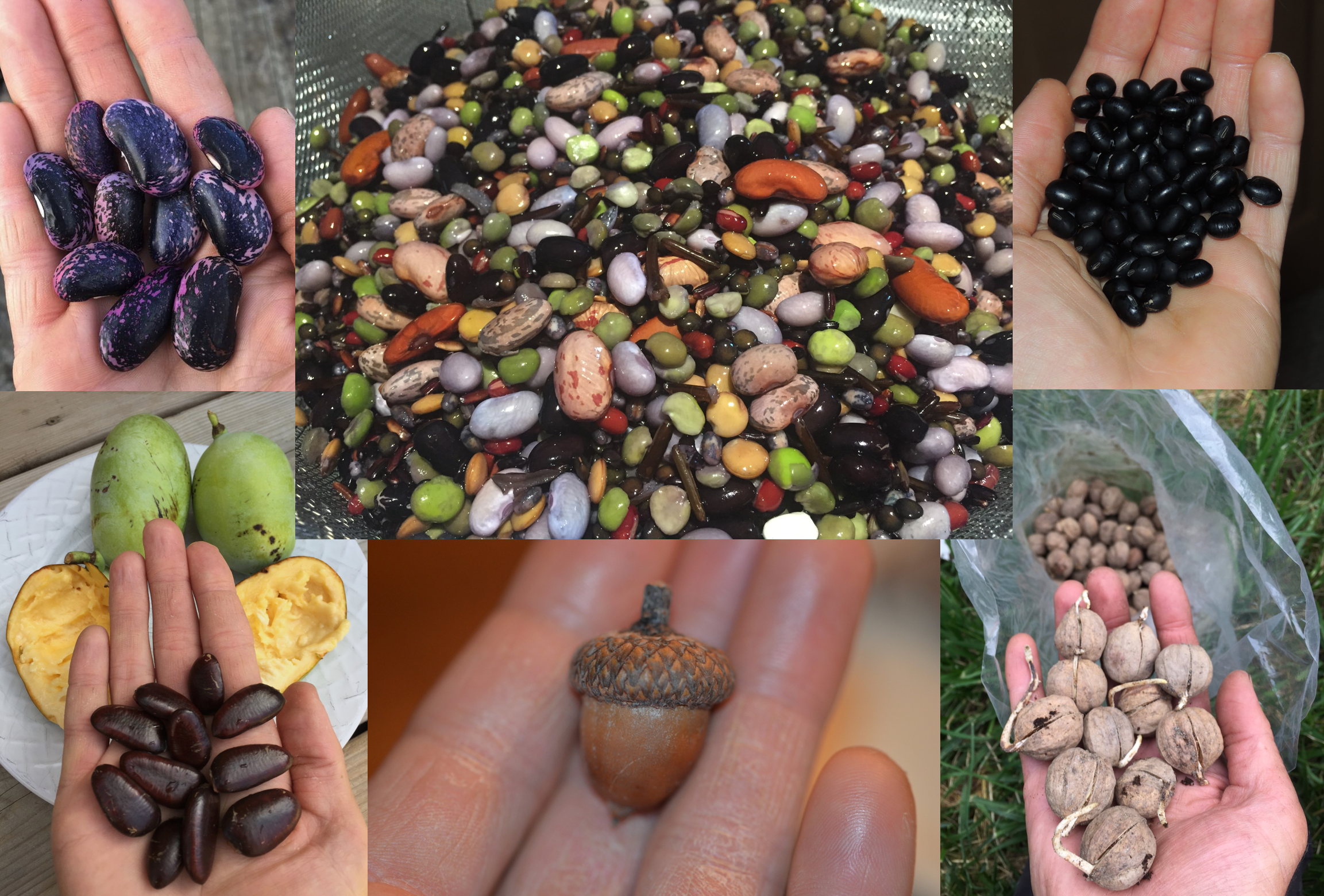
Thus, my prediction for 2026 is that many of the seeds (and seedlings) I (and those I have collaborated with) planted last year with love will grow in the spring and set down roots, beginning a process of providing food, medicine, hope, beauty and the foundations for local culinary traditions for people alive today, and people that will call this place home after I am gone.
Each and everyone of us can do this and every little bit counts! Even if it is one potted plant on a balcony or one tree seedling planted, it all adds up, in experience, ecological enrichment, beauty and nourishment.
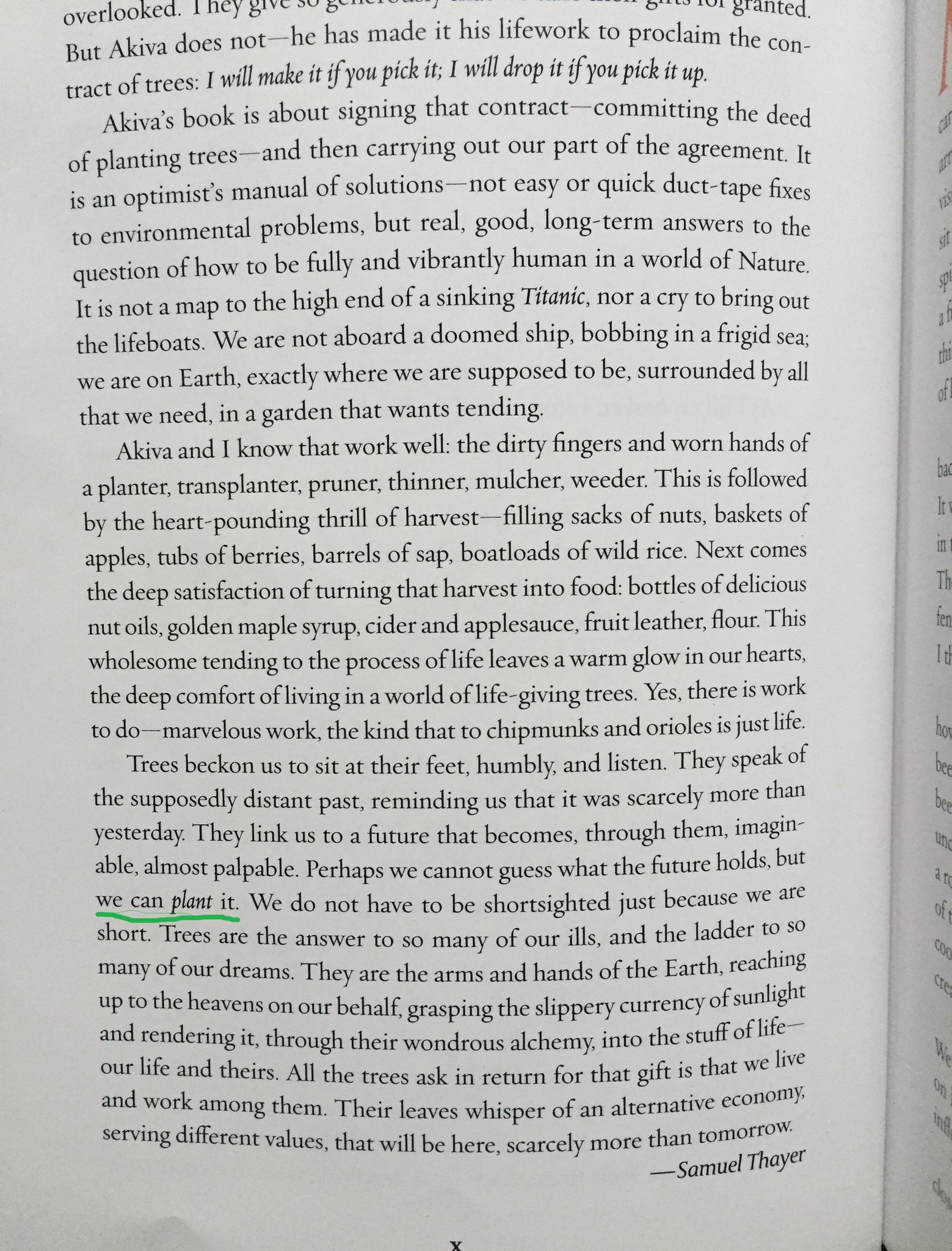
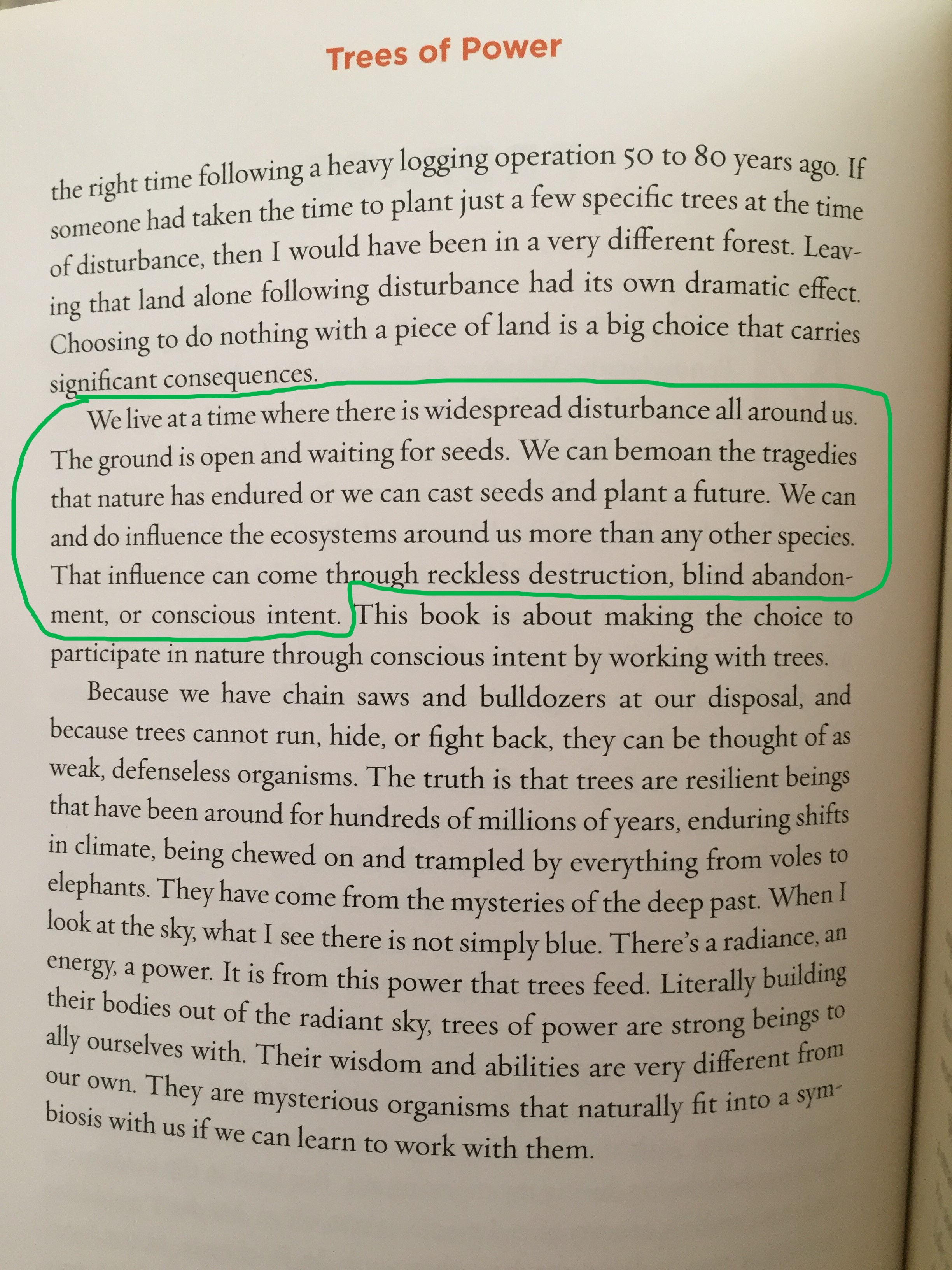
There is a line in the Forward written by Samuel Thayer (for “Trees of Power: Ten Essential Arboreal Allies Book” by Akiva Silver) shown in the pic attached below that I have found to be particularly moving and motivational to re-visit multiple times recently. It says:
“Perhaps we cannot guess what the future holds, but we can plant it”
If you have been paying attention to the world of finance, industrial agriculture supply line fragility, nefarious government policies, the plutocratic war on small scale farmers (being rolled out under the guise of “sustainability”), pharmaceutical cartels schemes, soil erosion rates and the activities of the most wealthy people on Earth over the past few years, you will know very well that we have some challenging times ahead.
With all that being said, this does not mean we should begin this new year without hope or in a fearful way. Mother Earth has her hand outstretched to us lovingly to help us find resilience and be capable of weathering the storm ahead. She offers us ways to align with the inherent abundance that is offered to us when we contribute to her ancient living economy. We are each capable of embodying the solution to the challenges we face in each of our communities.
Now is the time to reaffirm our alliances with the living Earth, to nurture new symbiotic relationships with the soil, people, plants and fungi in our local communities. Human empires rise and fall, and history teaches us that when they fall, it is those that know how to grow/forage for their own food, medicine and preserve it, that survived.
We can create oases of health, resilience, and abundance in each of our communities… we can become the solution, break from dependence on centralized systems and help others to do the same. It begins with the soil and the seeds and it evolves into nurturing symbiotic connections with those whom we share our communities with. Each of us can embody the medicine that the land and our communities need too survive and thrive though the tough times ahead.
Thus, each and everyone one of us should now be focusing our efforts on honing our skills related to food/medicine cultivation, preservation and developing a reciprocal relationship with the land where we live.
If you already have a garden think of this as a list of 26 reasons why you should re-double your gardening efforts by expanding, honing and sharing your garden abundance. Please share this article with anyone you feel would be receptive so they can take steps to help themselves and be capable of weathering the storm ahead of us.
Why Garden?
Some people may ask themselves this question. Some may think “I can buy all the food I need at the store, I can afford to do so, and it’s so much easier than having to grow the crops from seed, so why should I bother?”
Let us take an honest look at all the reasons why one should take the time to compost food scraps and set up and maintain a regenerative food garden (especially now in the year 2026).
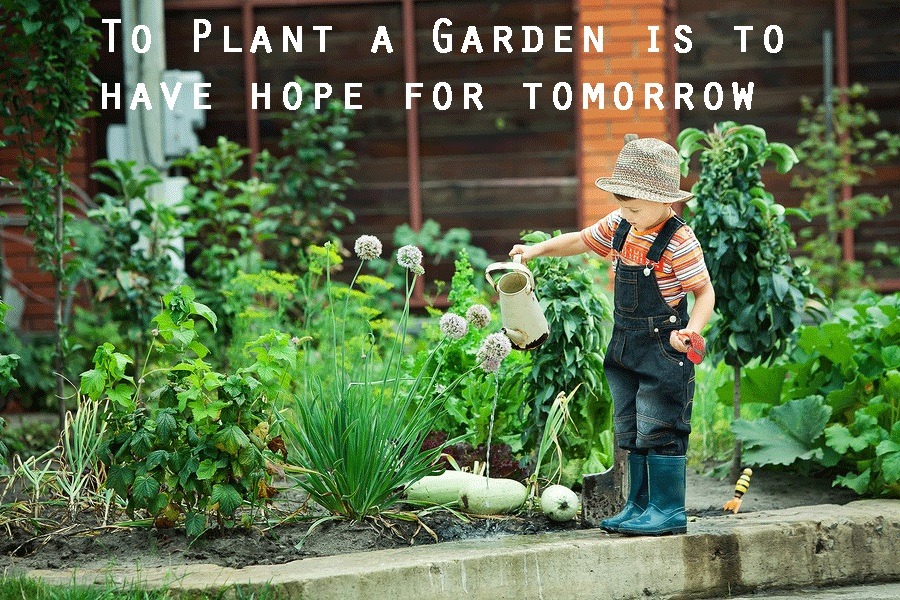
1. Reciprocity: Regenerative gardening offers a way for us to give back to the Earth and ecosystem(s) that provides us with everything we need to live:
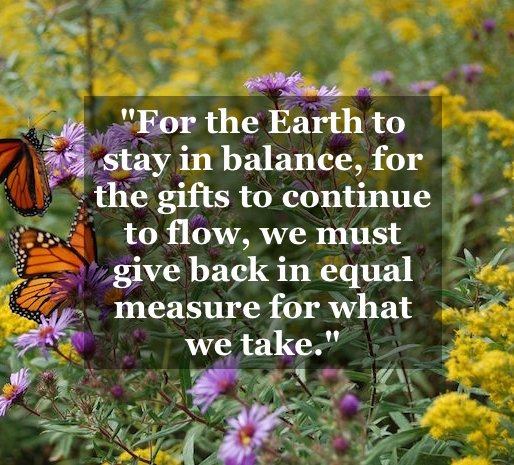
Starting a composting routine means feeding the soil life and creating valuable ‘black gold’ for building soil and increasing productivity in the garden. This means less waste ends up in the landfill, you turn free materials into organic matter, and we are able to build rich healthy soils for supporting robust plant health (requiring less watering and yielding bigger harvests). It also means we are choosing to contribute towards a more healthy future for our children and their descendants by building the precious soils that all life depends upon to survive.
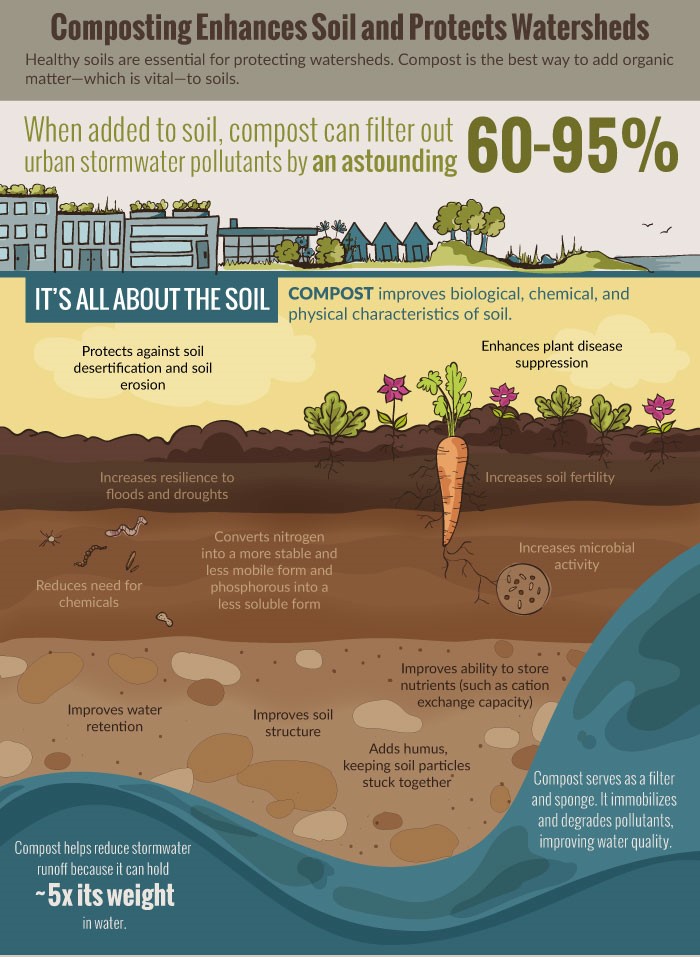
The act of composting means you are contributing towards the fabric of an ancient living decentralized economic model. We invest our time and materials, and the ‘asset managers’ and ‘investment strategy team’ (comprised of myriad bacteria, fungi and decomposing insects) invest molecules of biological currency for us, storing those units of currency in the form of fertile soil. We can then withdraw from our account through using the ‘key code’ that is embodied in a living heirloom seed we plant in that soil (which unlocks it’s potential and allows us to withdraw part of our savings account in that living soil/seed bank in the form of life giving food, medicine, oxygen and poetry for the senses).
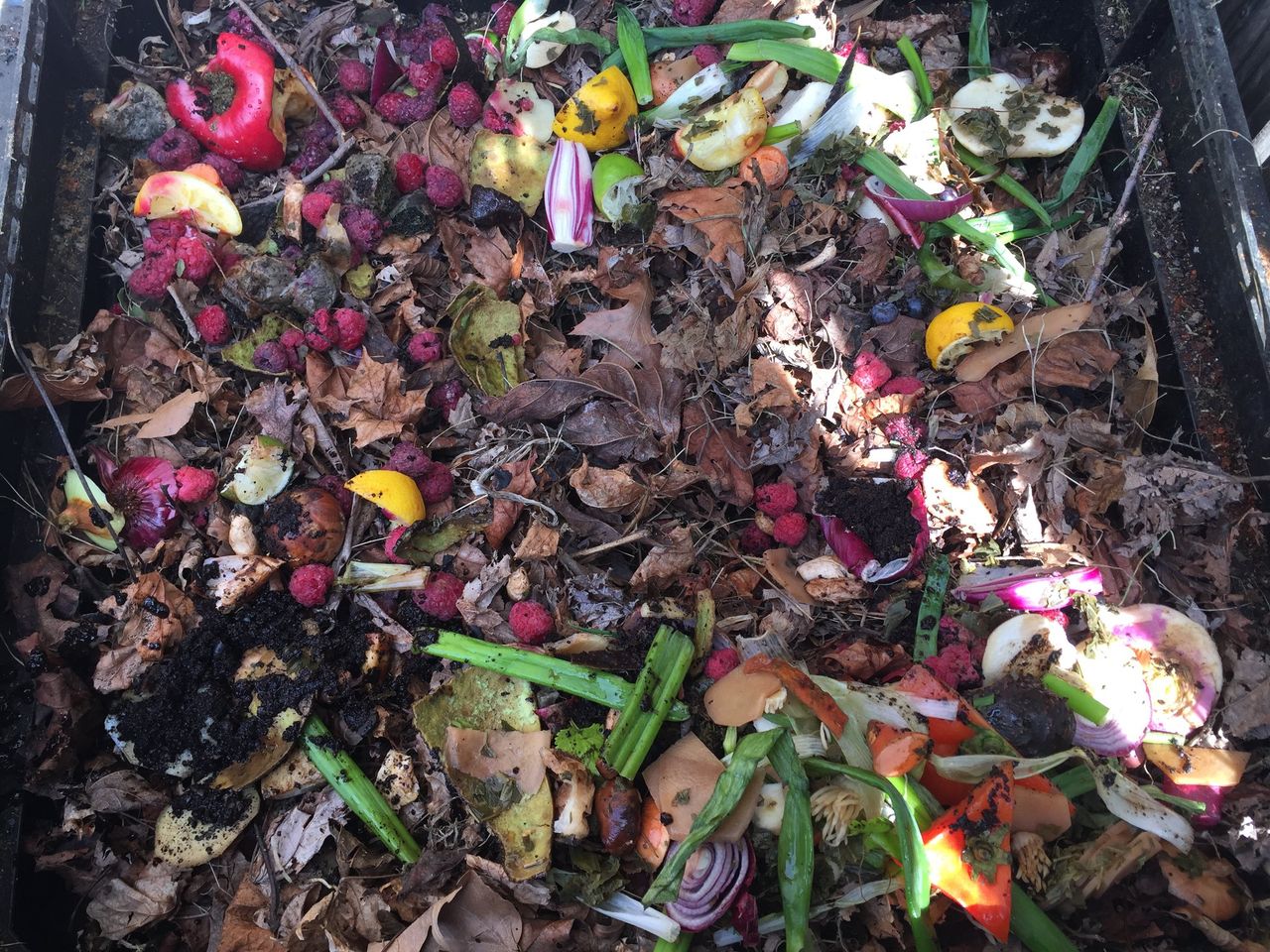
Composting is medicine for the land and medicine for the soul. It offers us a tangible way to connect with and give back to the living planet that sustains us all. When one looks at the act of composting through a more linear or utilitarian lens it is an act that facilitates the transformation of free materials into something extremely valuable and useful for saving money on grocery and medical bills.
Through offering our hands to accelerate the natural cycles inherent in composting we involve ourselves in the sacred act of reciprocity and begin to nourish a reciprocal relationship with the living Earth that results in True Wealth.
The gift of True Wealth is found in the years, lasting fulfillment and health which is added to our lives when we care for the land we live on (and those who we share it with). Lasting fulfillment is found in savoring those precious moments that are given to us each time we stop to appreciate the “little things”. It is the gift we give ourselves when we choose to use our time on earth to help things grow and nurture them to achieve their highest potential.
This concept of “returning the gift” is not just a philosophical idea, but rather a bio-physical fact of life. It is woven into the fabric of nature and can be observed in all layers of life. It can be seen in the mighty old growth trees and their symbiotic relationship with the mycorrhizal fungi and it can be seen in the human gastro-intestinal tract where beneficial bacteria help us to digest our food and protect our bodies from invading pathogens. In fact, reciprocity can be felt in every breath you take, for the oxygen that breaths life into you is the result of the plants who breathed in CO-2 and in return gave oxygen.
In nature symbiosis is the norm and many ancient cultures saw mother earth and the fellow beings we share this world with (plants, animals, fungi, insects etc.) who all live by the covenant of reciprocity as wise teachers. These were cultures that taught their young that when we receive a gift from the Earth we must in turn give back to the Earth. This is the way eco-systems thrive and become ancient resilient communities of diverse life. Communities of abundance, regeneration, and beauty that foster the unfolding of beings of many shapes and sizes into ever higher levels of complexity, beauty and uniqueness.
Many humans in the modern world have forgotten what it means to be part of a community of life (eco-system) based in reciprocity. We have been told the story of “consumers” and “natural resources”, “profit margins” and the illusion of scarcity. We humans now face a choice, we can either revitalize the ancient knowledge and way of living that honors the gifts mother earth shares with us by giving back to her in return, or we can choose to define ourselves as “consumers”, “takers” and live with a parasitic relationship to the living planet that sustains us. One path leads to abundance, true fulfillment, understanding, inter-connectivity, spiritual unfolding, health, longevity, peace, and joy... and the other leads to the host organism (the Earth) having to expel the parasitic presence we have chosen to become and the collapse of modern civilization. There is no middle road. We have pushed the eco-systems to the breaking point and the systems our centralized ‘consumer’ society is built upon will inevitably collapse in the face of soil depletion/erosion, manipulated weather, unstable financial markets, flimsy supply lines and resource depletion. The earth now calls those of us who wish to walk a path with a heart towards a brighter future to give back to her for what which we as a collective have taken.
In choosing to discover and utilize our gifts to give back to the living planet that gives so much for us we are embarking on a path of aligning with the forces of regeneration. When we align with nature to heal to soil, the air, the water and our relationship to all facets of the Earth and beyond we are really embarking on the path to heal ourselves. To give our energy to nurture life and align with the creative momentum of nature is a path to receiving medicine for the soul.
2. Homegrown food is more nutrient dense:
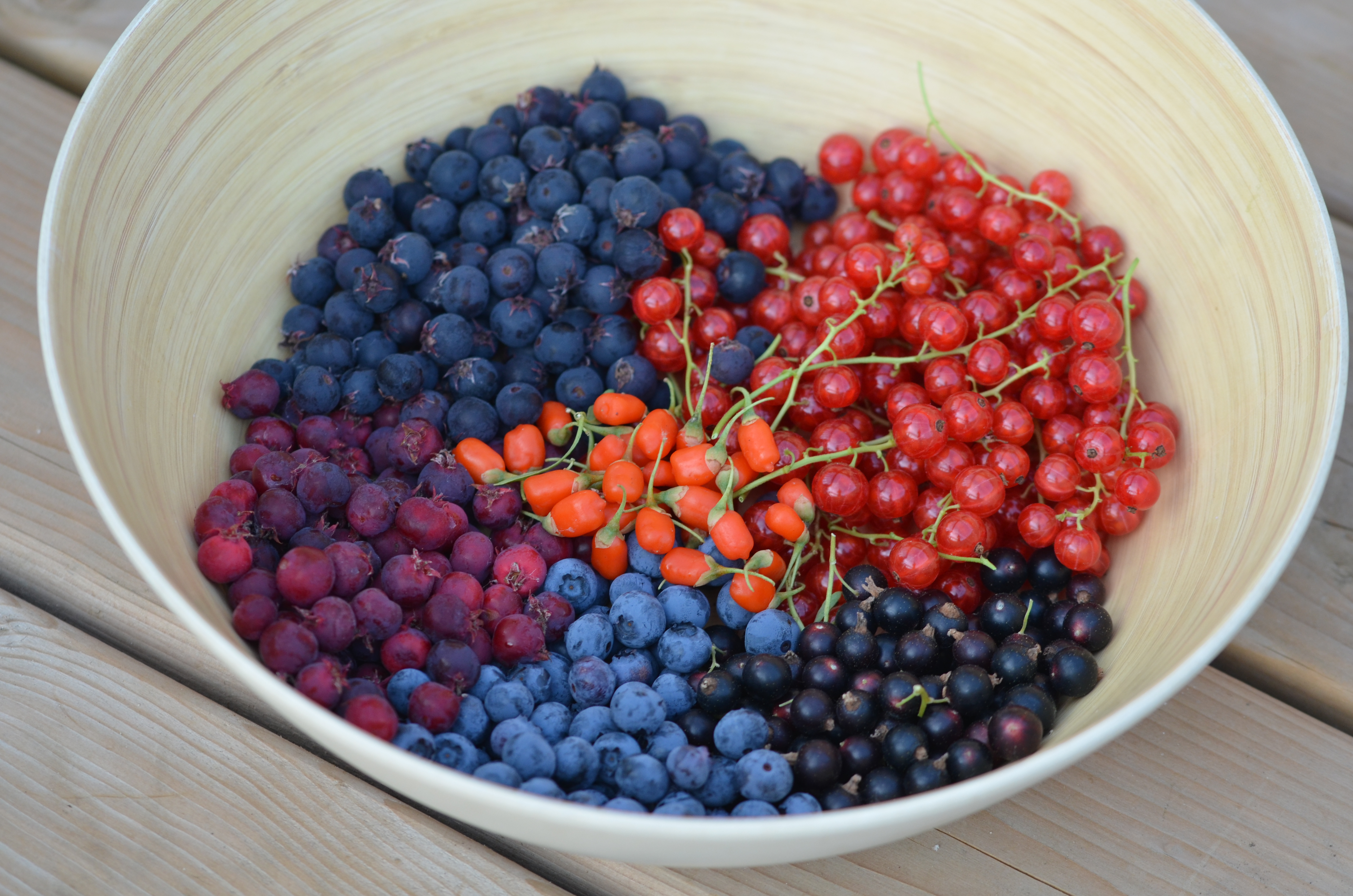
Food grown in rich living soils contain a much higher concentration of vitamins, minerals, proteins, anti-oxidants (and other beneficial phytochemicals) than store bought food.
Most produce available in stores has lost over 40% of its nutritional value in the last 50 years because of poor farming practices, pesticides and the degradation of the food supply due to the introduction of GMO products.
Store bought food is often grown in nutrient and mineral depleted soils (due to conventional degenerative agricultural practices, including genetic modification of seeds) and the plants are already stressed due to tight spacing and the lack of beneficial soil organisms. This leads to produce almost totally devoid of any valuable nutrition (regardless of how it may look on the outside).
When compared to crops from conventional farms, crops from regenerative agriculture farms (which means grown in living soil like you would have in your regenerative garden) had 34% more vitamin K, 15% more vitamin E, 14% more vitamin B1 and 17% more vitamin B2. The regenerative agriculture crops also had 11% more calcium, 16% more phosphorus and 27% more copper.
The study also compared wheat crops. Regenerative wheat crops were planted in a crop rotation pattern that included cover crops between crops of spring barley and winter wheat. The regenerative wheat samples had 41% more boron, 29% more magnesium, 48% more calcium and 56% more zinc than conventional wheat samples.
When you grow crops at home in living soil (created via adding homemade compost, companion planting and mulching) the produce you harvest is significantly more nutritious than store bought.
3. Homegrown food is more delicious:
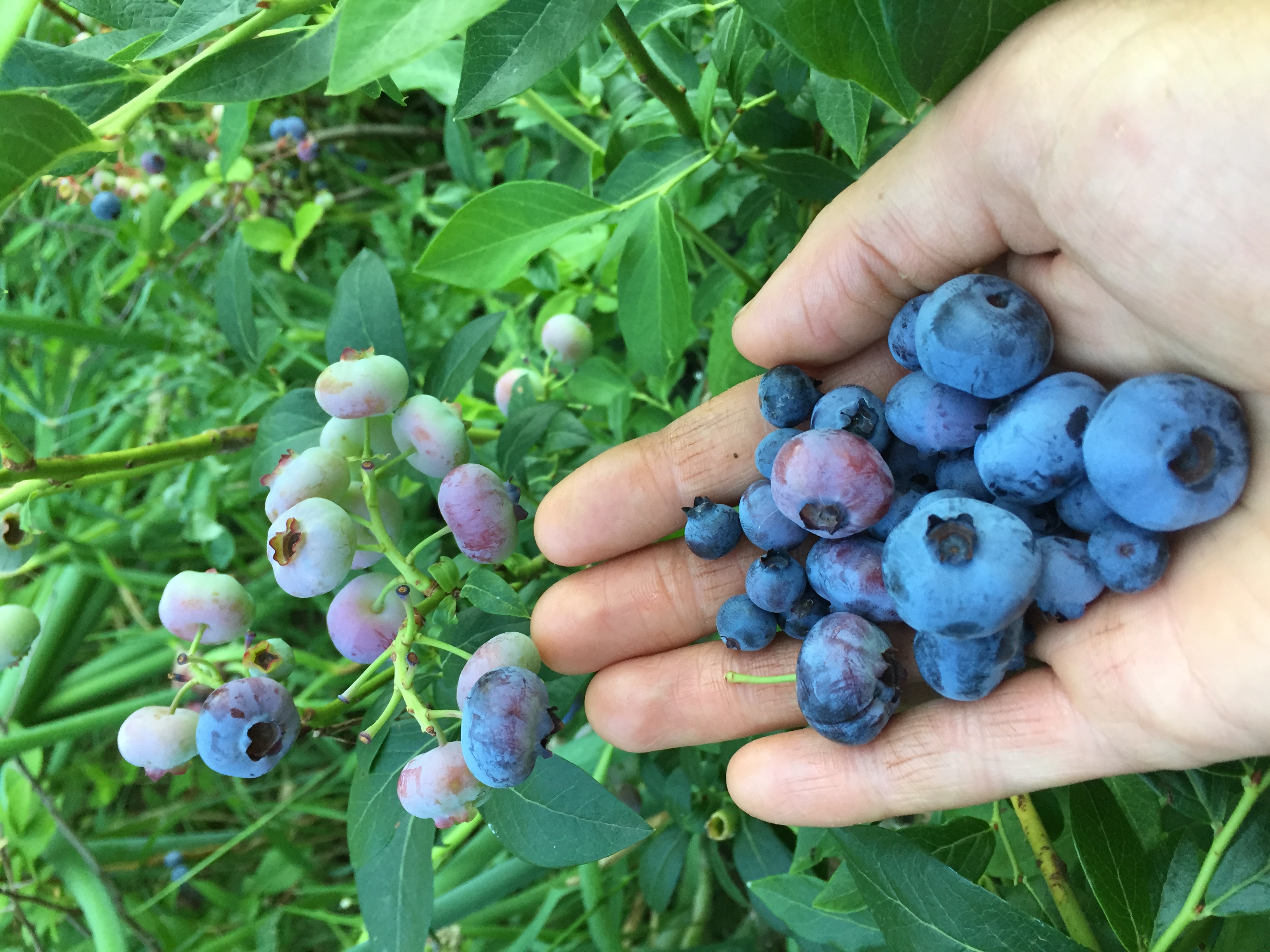
Food grown at home is more fresh, the texture, color, and flavor is of a much higher quality than food that was often picked over a month ago and shipped thousands of kilometers to get to your local grocery store.
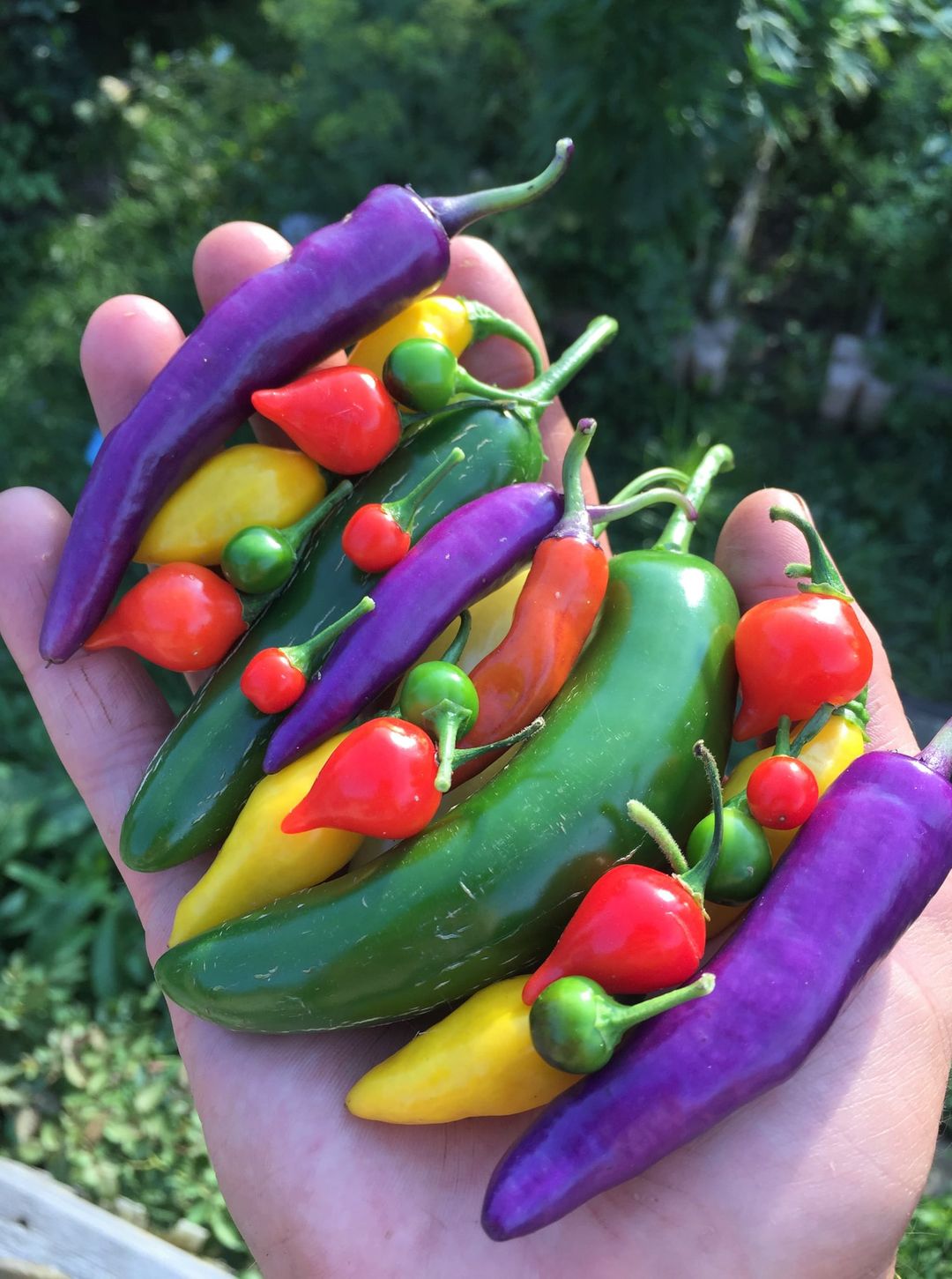
Not only that but when we grow food in rich living soils the natural sugars, flavonoids and other phytonutrients produced in our crops are of a higher concentration, meaning juicier more delicious produce. This is (in part) due to the symbiotic connections between garden plants grown in rich living soils and the beneficial organisms that dwell in the soil (such as mycorrhizae, protozoa, nematodes, microanthropods. mutualist bacteria and more).
Store-Bought fruits and vegetables are bred to favor long shelf-life over flavor.
Heirloom garden crops on the other hand are bred for flavor, color, character, resilience and to preserve unique cultural heritage, thereby leading to delicious and unique produce.
Crops produced on a large scale are bred for uniformity, aesthetics and easy harvesting (using big oil guzzling machines). This ignores the genes responsible for flavor and nutrition.
Also, many natural sugars in our favorite crops turn to starch immediately upon harvest. There is nothing sweeter than eating a blueberry or a strawberry right after picking it! Why? As soon as the produce is harvested, the sugars start turning to starch. When you buy from the grocery store, there’s no way to know how long the fruit or vegetable has been off the vine or plant. The more time that elapses between harvest and when you eat, the more of the plant’s natural sugars have turned to starch.
But when you pick your own, you control how quickly you consume a fruit or vegetable at its peak ripeness.
According to a study on sweet corn from Purdue University, standard sweet corn loses 50% of its sugar content in the first 12 hours after harvest.
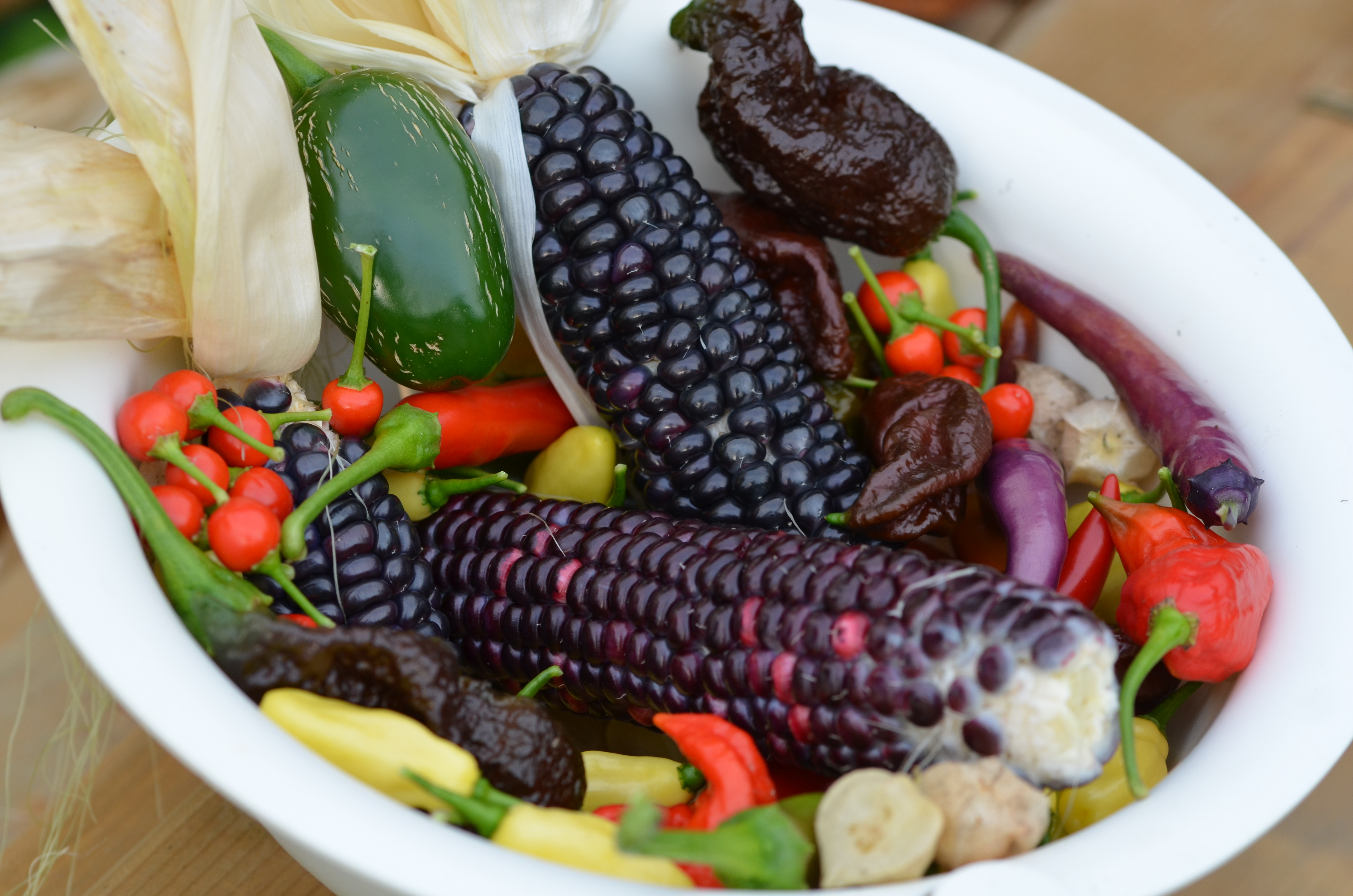
Store-Bought produce is also often harvested before peak ripeness (and sometimes ripened artificially). Since most produce to be sold in grocery stores travels a significant distance, many fruits and vegetables are harvested before peak ripeness. Some will then be ripened artificially during transport. For example, tomatoes are harvested when they are bright green. Then, ethylene gas is applied to the tomatoes during transport to artificially ripen them to red.
In modern agriculture, the soil has been stripped of natural nutrients (via degenerative practices like heavy tilling and synthetic chemicals). To make up for this lack of nutrients, growers apply synthetic fertilizers. These chemical fertilizers provide the main nutrients plants need to grow. But, they do not contribute micronutrients or the soil microbiome plants need for a complete nutritional profile.
Another factor worth mentioning is that when chemical fertilizers are applied, crop yields increase. While this seems like a good thing, the “dilution effect” causes the fruits and vegetables to decrease in nutritional density (and flavor).
This meta-analysis from the American Society of Horticultural Science confirms through several scientific studies that the nutritional content of our fruits and vegetables has declined over the years.
Therefore combining heirloom seeds with living fertile soil in your garden (nurtured via creating your own compost) allows you do have access to delicious (and nutritious) food for enjoying and creating in the kitchen.
(For more info read this study and this study)
4. Growing food at home saves you money on groceries:
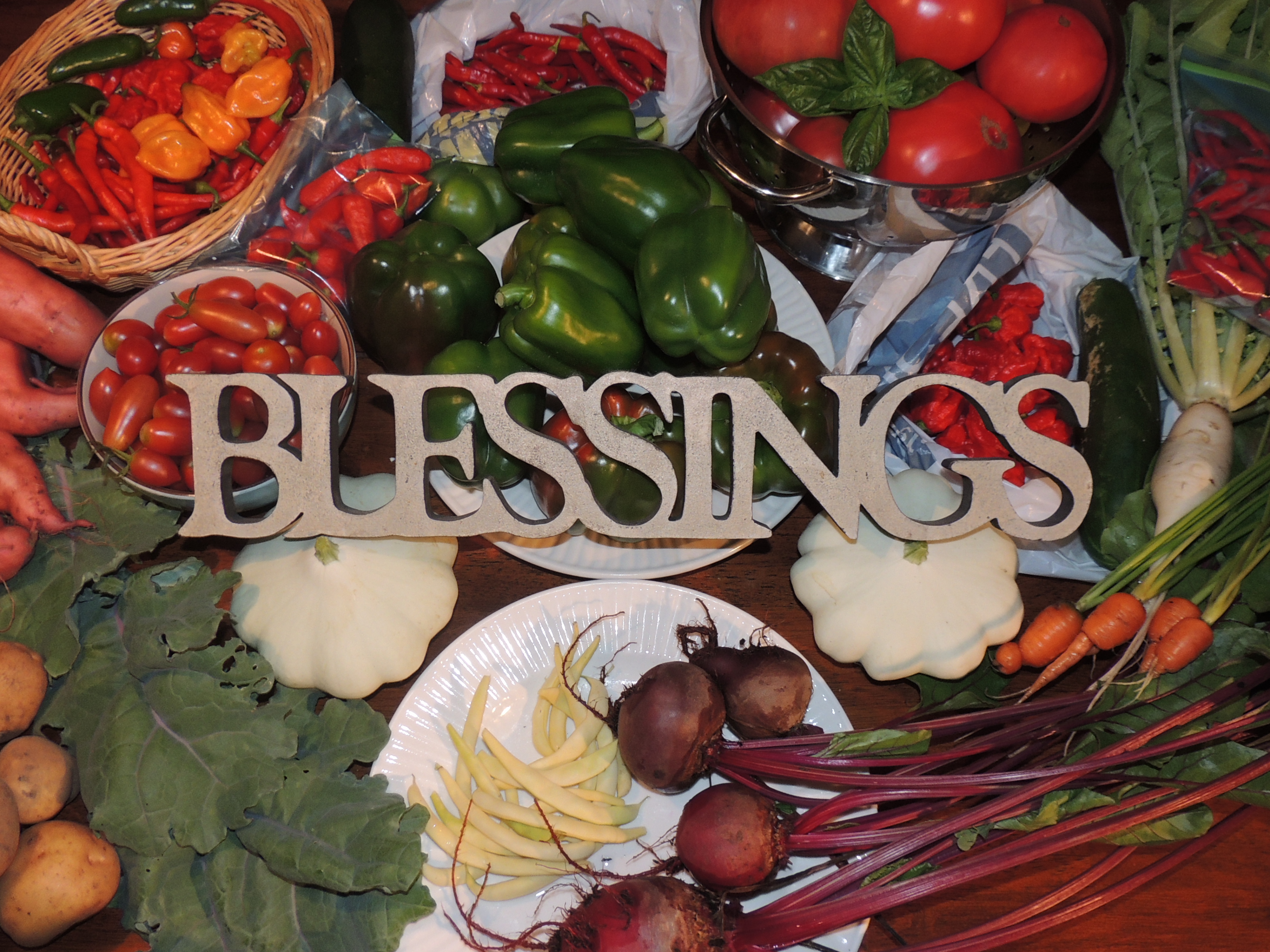
According to the government the average Canadian household spent $8109.00 on groceries in 2014 ( a very conservative amount in my estimation and that number is a lot higher today). Recent reports an average family’s food bill in 2022 is $14,767.00. That number will inevitably be going up drastically in 2023 and beyond. It is also worth considering many people are spending all that money on food that is highly processed, contains GMOs, and is chemical laden (which leads to a shorter and less full life, with big medical expenses down the road).
In 2016 we decided to keep detailed logs of everything we harvested from the garden to see just how much we were producing in a year. In mid-December of 2016 we harvested our last kale leaf and finished the tally/calculations. In the year of 2016 we grew 3,507 dollars and 51 cents worth of organic produce in our backyard (calculated via the per pound prices of Ontario organic market value for each crop). Some of the crops we grew included 328.00$ worth of kale (82 bunches), 159.00$ worth of sweet potatoes (53lbs) and 204.00$ worth of beets (68lbs). That was only using about 1/2 of the square footage of our (average sized suburban) backyard and having spent a small amount in the spring on soil amendments, seeds, and support posts/tape.
If one spends only $20–40 on basic supplies (or just getting inventive and being resorceful to re-purpose existing ‘waste materials) and with only a weekend or two spent preparing the soil in the garden or (growing containers for your balcony, windows etc) each year, and a quick watering before work each morning will result in a significant amount of veggies (Translate that to dollars and you have hundreds of dollars worth of fresh organic produce, at least).
I often encounter people that say they cannot grow any food at home (and use the excuse of having no access to land) so when I was doing research for writing my gardening/recipe book I experimented with cultivating nutrient dense food and medicine indoors and in containers. I was able to grow significant amounts of ginger, kale, tulsi (aka “holy basil”), microgreens and protein rich gourmet mushrooms using only a south facing window with pots lined up and some mason jars that I filled with spent coffee grounds (for growing oyster mushrooms). Anyone that is motivated can do that (and more) at the very least, and the health benefits that are offered even by growing a steady supply of those things are non-trivial (we are talking 500.00$ CDN plus from just that indoor combo of crops).
For more info and access to materials for growing oyster mushrooms on spent coffee grounds: https://shop.mushroommountain.com/collections/indoor-fruiting-kits/products/coffee-cultivator
5. Food Security and emergency preparedness:
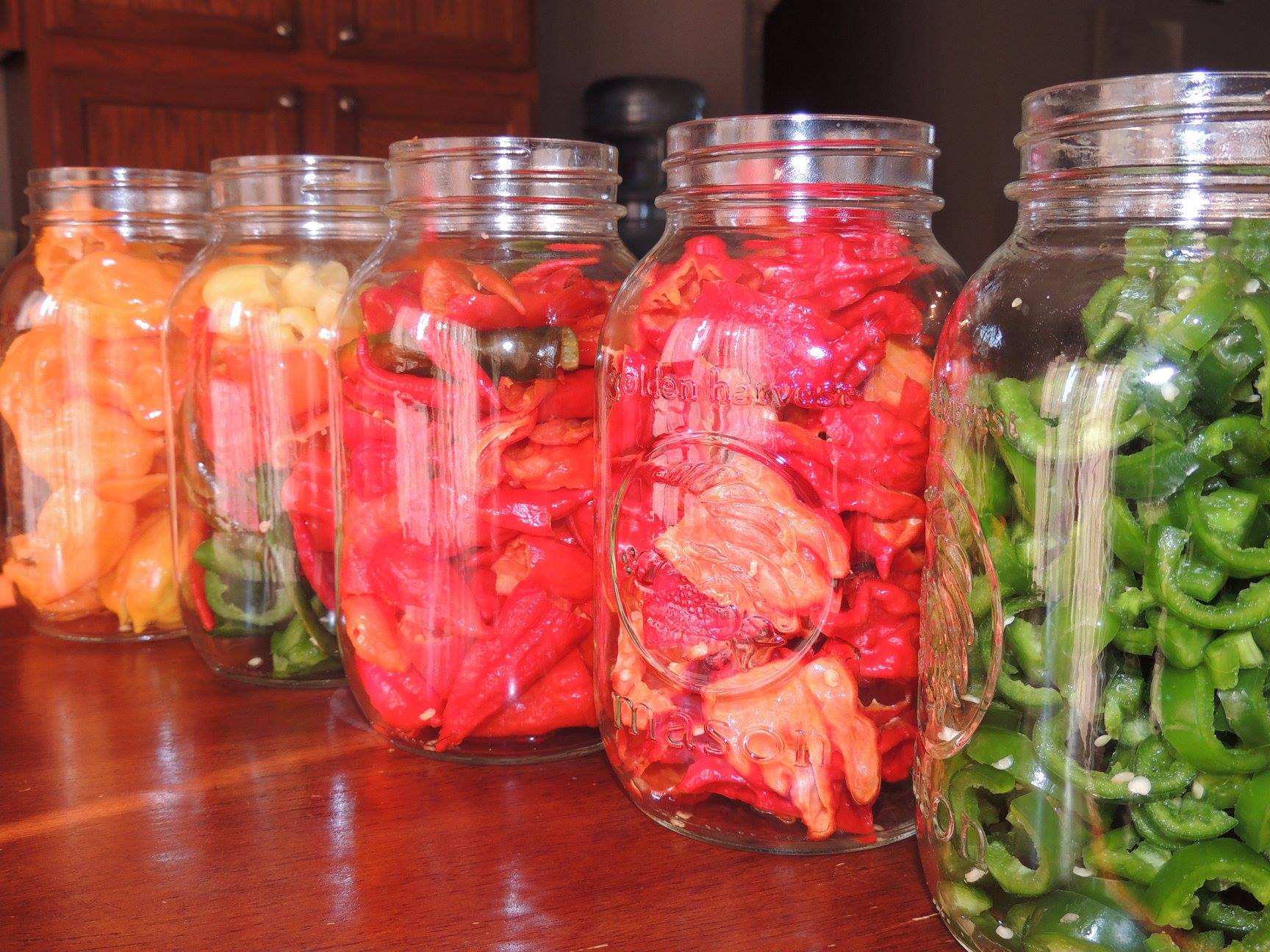
Considering the likely reality of major crop failures, food shortages and the inevitable increase in cost of food in the near future (due to various economic dynamics that create artificial scarcity, climate instability, solar storms/EMP events that could cripple the centralized food/financial infrastructure and large scale soil depletion) the value and importance of learning to grow one’s own food is immense.
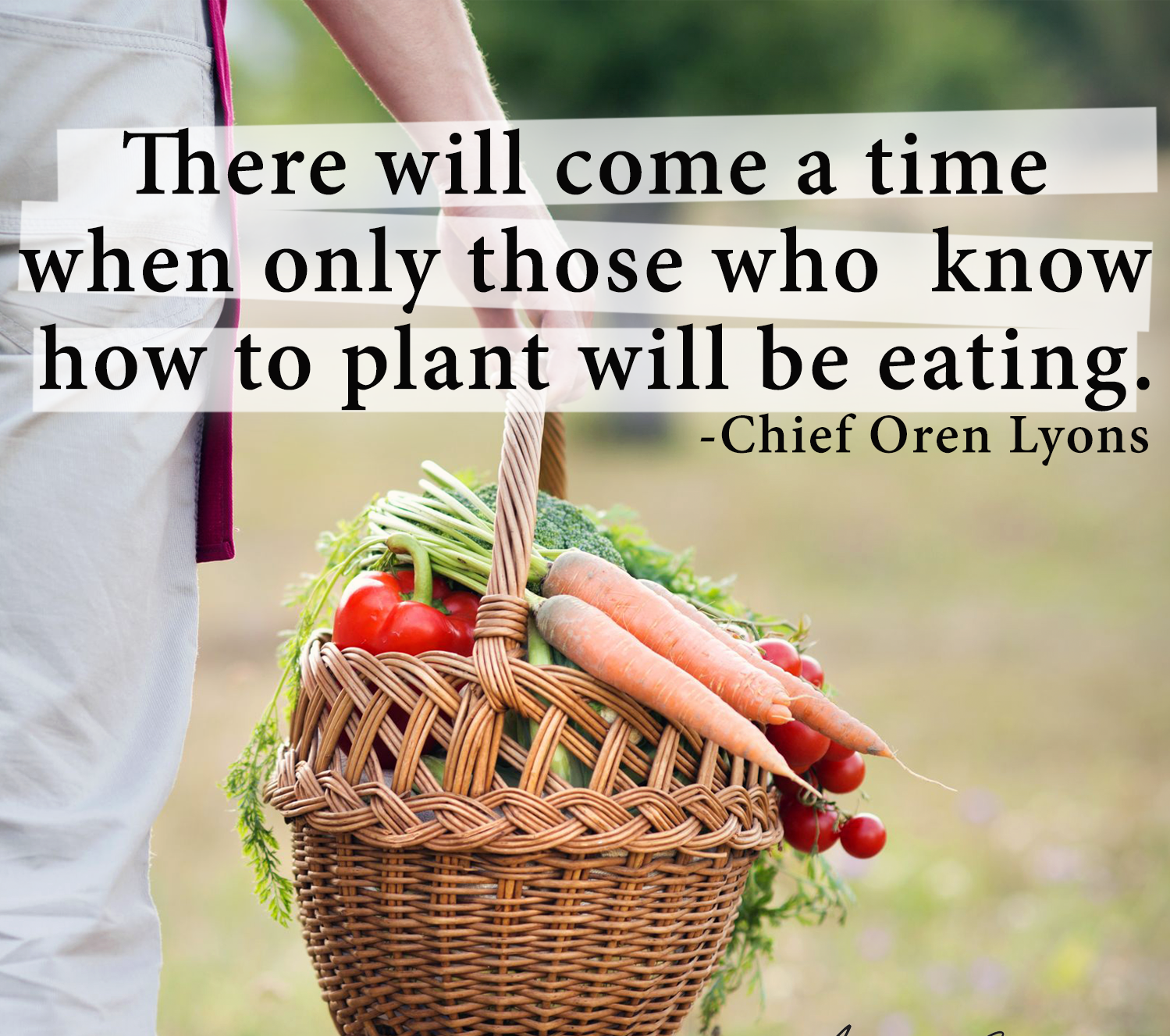
We can ensure we will be able to feed ourselves and our loved ones in these uncertain times (times which indicate a high likelihood of economic, climate (Geoengineering), agricultural or political instability in the near future) through learning to cultivate nutritious food from seed, preserve that food and save seed (thereby perpetuating the cycle). Growing your own food means you can provide for yourself and your loved ones when disruptions in centralized systems occur (as they have all throughout human history).
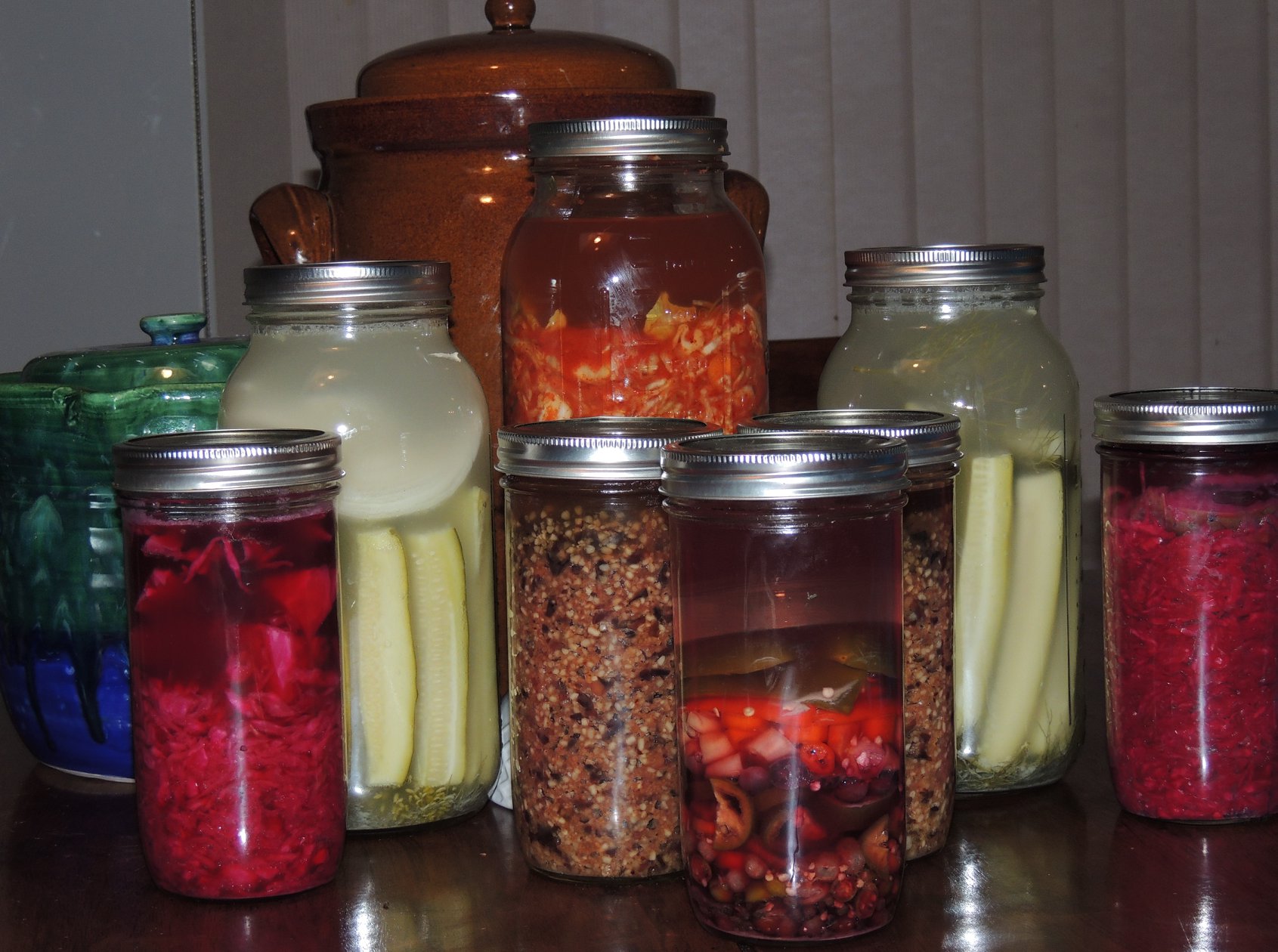
Saving up money for a ‘rainy day’ is not a solid way to prepare for emergencies because money has no innate value. Seeds, good soil, gardening skills, increased health/immunity, preserving experience and the symbiotic relationships and friendships we forge with neighbors and the broader community we are a part of (through sharing our abundant harvests and seeds and helping others to grow regenerative gardens) are however things that have innate value.
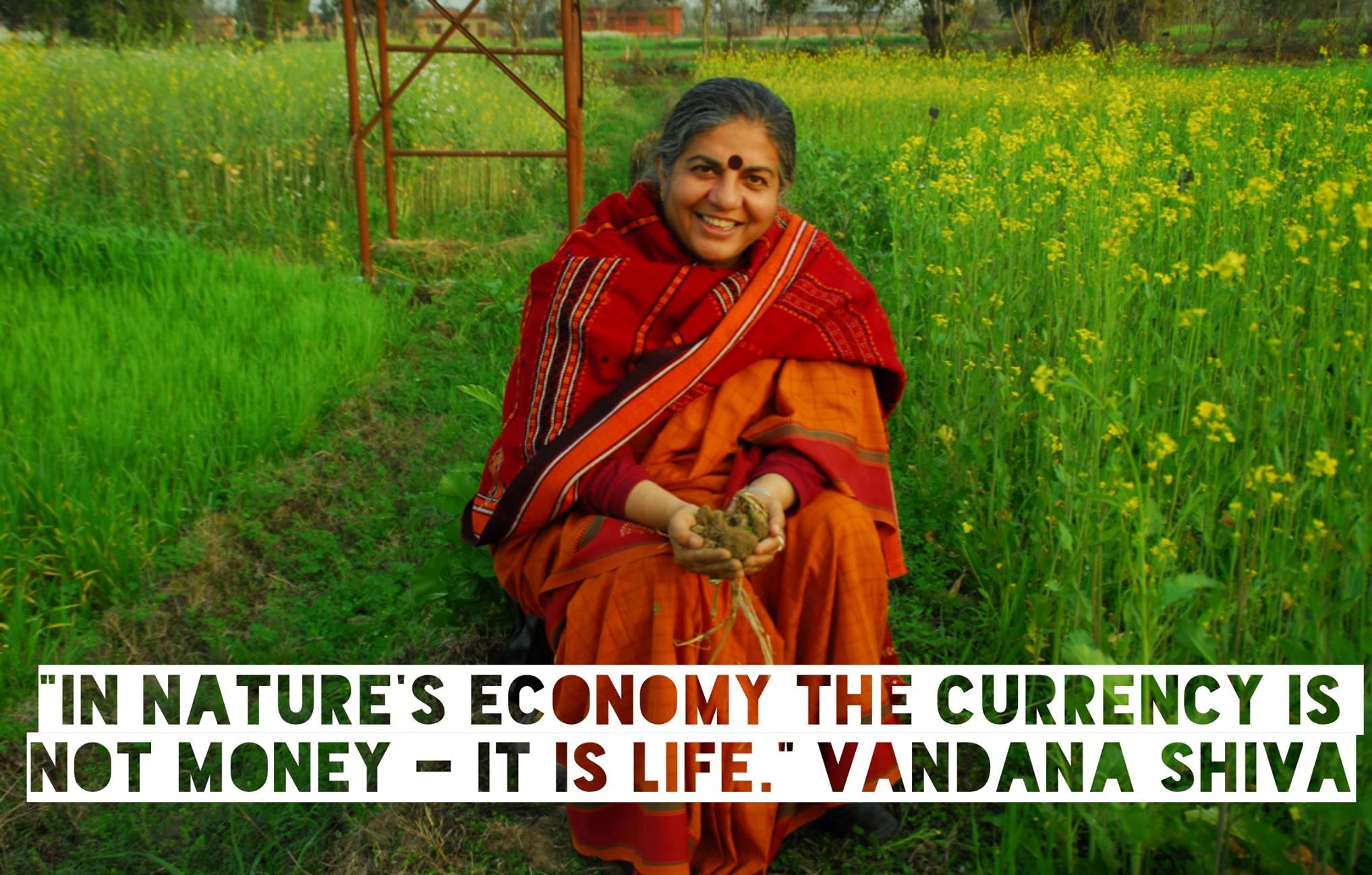
When we choose to give back to the living planet that sustains us and share the resulting abundance, the rewards increase exponentially and continue to give back year after year. These rewards give back during the best of times but the gifts the garden offers us during challenging times or emergencies have an exponential value.
Also, if you are not already growing your own gourmet and/or medicinal mushrooms at home I highly suggest giving it a try.
Being able to transform spent coffee grounds, cardboard, woodchips and other free “waste” or byproducts into nutrient dense and medicinal mushrooms is a very powerful skillset to have in this time of financial, agricultural and geopolitical instability.
Some species (such as Oyster mushrooms) are quite forgiving for beginnners and have such aggressive mycelium that they can grow either indoors or outdoors on a wide range of substrates (such as coffee grounds, cardboard, straw, woodchips or even chopped up phragmites stems). Other species (such as Shiitake, Lion’s Mane and Reishi) can be cultivated via inoculating hardwood logs outside (or on blocks of enriched sawdust inside).
Inoculated hardwood logs can produce mushrooms from 5-7 years (depending on the size and density/variety of the wood used) and one can even encourage a fully colonized log to produce nutrient dense mushrooms in a matter of days-weeks by soaking them in cold water to simulate spring/fall conditions. That means hardwood logs that have been inoculated with mycelium from choice mushrooms species can effectively serve as a form of long term shelf stable outdoor/indoor emergency ‘food storage’.
For more info check out my other substack article below which focuses on homescale mushroom cultivation.

6. Gardening and growing your own food offers you a lasting sense of contentment and fulfilment that can not be attained by any amount of money:
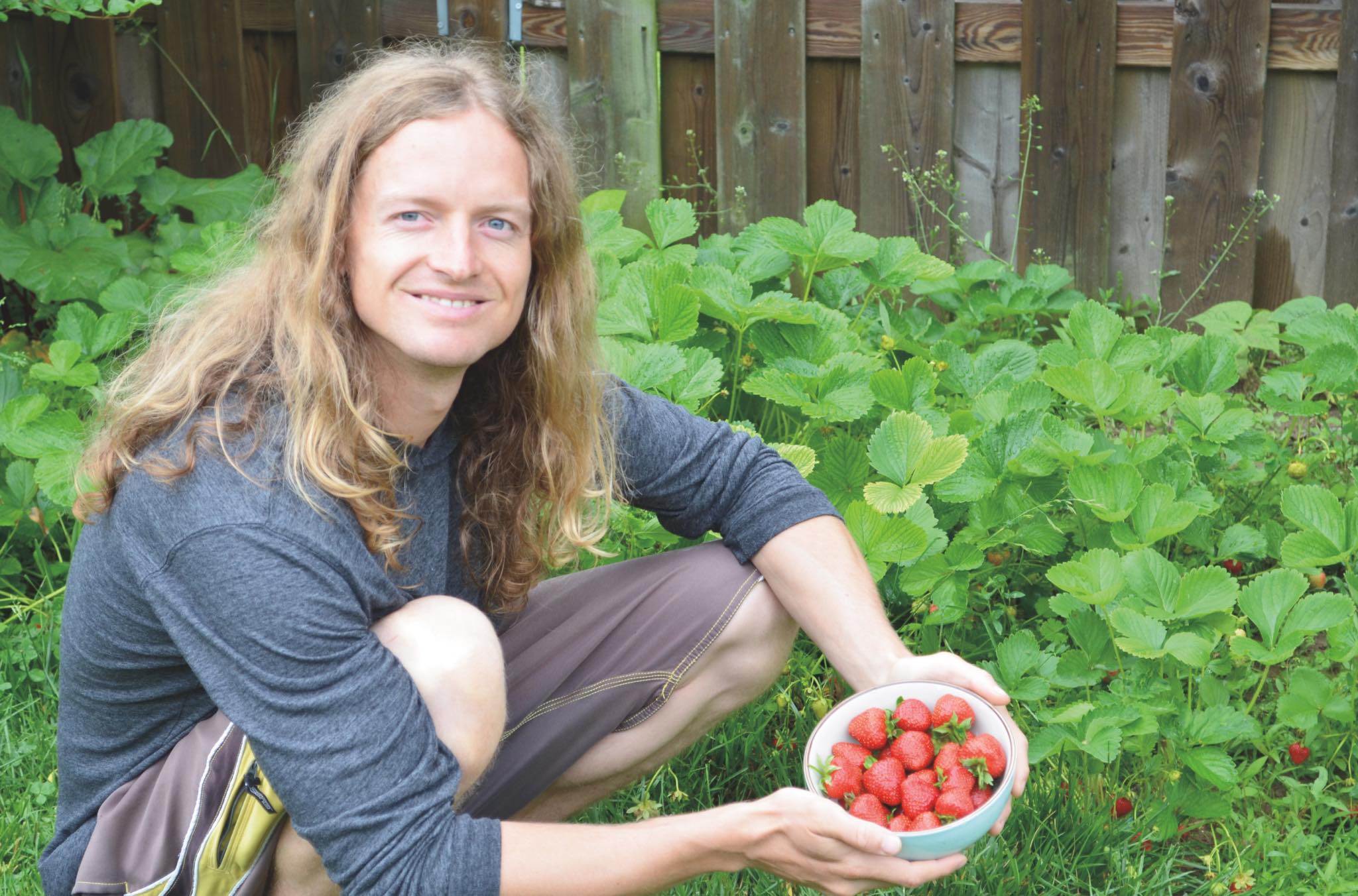
My parents bought a farm when I was a boy. I always had a strong connection to nature and spent a lot of time observing and interacting with things that grow but when my family moved to the farm this connection was deepened through becoming part of helping things grow and sharing the result of that labor of love. It was there on the orchard where I learned what real food was supposed to taste like. Eating fruit and vegetables grown in rich fertile soil I deepened my connection to the Earth and made me realize I wanted gardening to be a permanent part of my life. I have been gardening ever since.
Taking steps to embrace food sovereignty and a path that consciously nurtures symbiotic relationships are ways of living that are synonymous with a more happy, passionate and creative life. As our basic survival needs become fulfilled through our own “hands-on work” and skills, it frees up a lot more time to pursue the things we are truly passionate about in life. Embracing that self-sufficient lifestyle is so much more fulfilling than working ‘for the man” getting a pay check of digital fiat currency, trading it with 5 different middle men to get our food, water, energy and fulfill our transportation needs. It really does improve not only the quality of life, but the perception of what is meaningful in one’s life. It effects our very psychological foundations as we rediscover the simple joys in life. It helps us move away from the hyper-distracted, over-stimulated, digital chemical culture that has built up around us and allows us to let go of greed and materialism by truly coming to know the beauty of planting a seed in the soil, nurturing it to grow, and reaping what we sow.
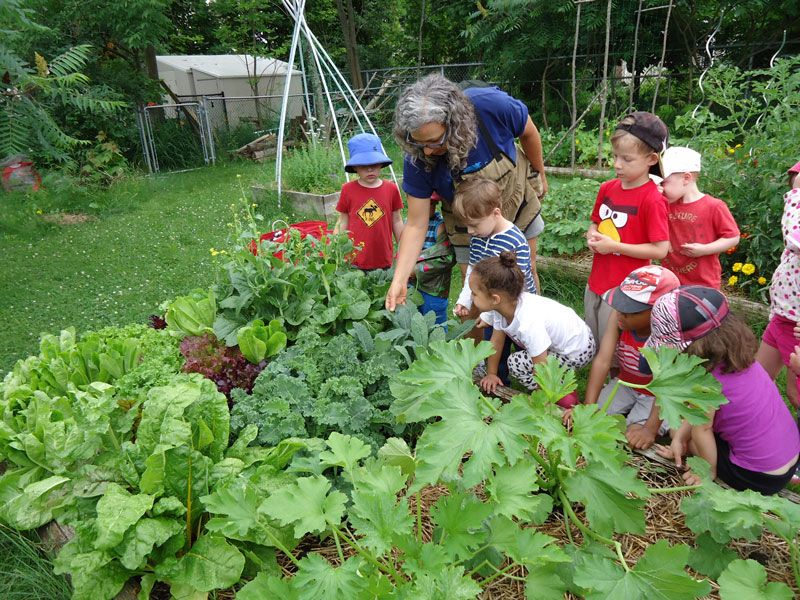
The bonus of this is that we can then teach those skills to our children and they to our grandchildren and in this way we are leaving a legacy.
7. Save money on medical bills:
Food (produce or otherwise) sold at grocery stores can be over a month old and/or nutrient depleted due to being grown in dead deficient dirt using synthetic fertilizers. Not only that but the truth is that much of that food is processed, contains dangerous GMOs, or is chemical laden and often leads to a shorter and less full life, with big medical expenses down the road.
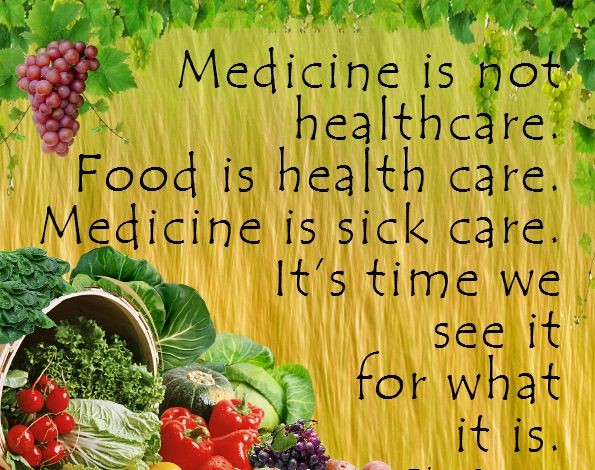
Food grown in a garden at home with rich soils contains higher concentrations of vitamins, minerals, anti-oxidants (and other beneficial phytonutrients) that increase our health, immune response, ability to naturally detox and mitigate the onset of degenerative conditions.

We can insure the food we grow at home is also free of harmful chemicals that cause cumulative damage to our internal organs (damage that can lead to things like cancer, digestive disorders and neuro-degenerative diseases down the road). Thus growing our own food at home (in rich living soil) means less time and money spent on medical costs.
8. Live a longer and more full life:
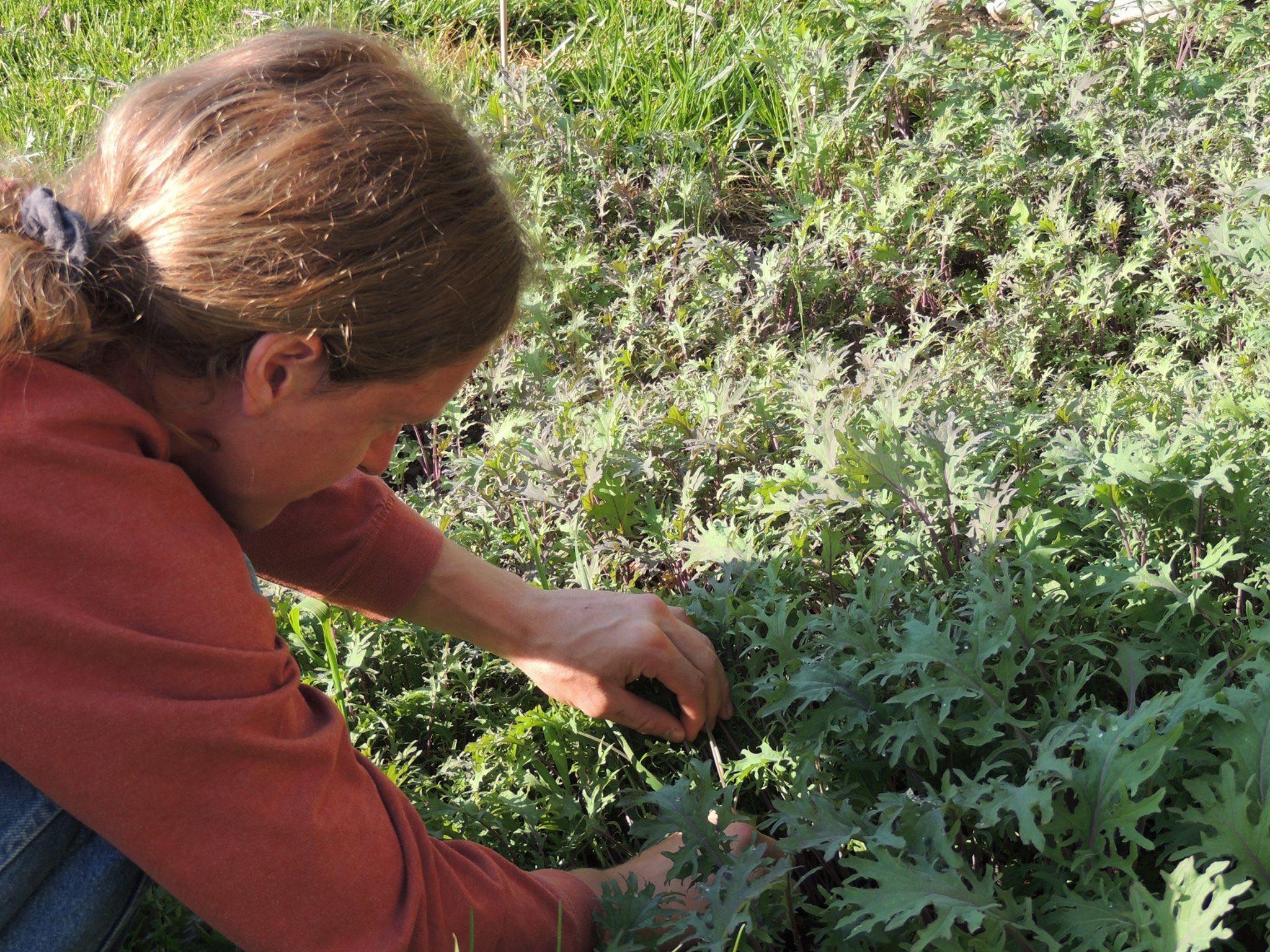
There is a lot of evidence, about how gardeners live up to 14 years longer than non-gardeners.
Certainly, there are many factors involved, but I think there are some key things that gardeners do that could contribute to longer life:
For one, typically, gardening isn’t done at night, so while tending a garden, one is usually in the sun consistently. The body naturally produces Vitamin D from sun exposure, and since Vitamin D is protective against types of cancer, infections and heart disease, it is logical that those with higher Vitamin D levels could live longer.
Secondly, gardening, by its nature, means sticking your hands in the soil. While our society shuns ‘dirt’ and invents things like chemical hand sanitizer, dirt can actually be good for you! In fact, lack of ‘dirt’, and the soil borne organisms that come with it, has been linked to higher instances of allergies and auto-immune disease.
Soil is an incredibly rich source of natural bacteria, minerals, and microorganisms. Touching the soil regularly exposes the body to beneficial (and small amounts of harmful) microorganisms that can boost the immune system. Since beneficial bacteria and gut health are so vital to overall health, it is logical that the immune boosting properties of living soil increase longevity as well.
When we eat nutrient dense home grown food we supply our bodies with the nourishment that increases not only our longevity (adding years to our life) but we also increase the quality of life in those years. Energy levels, cognitive function, maintaining cardiovascular resilience and muscle mass are linked to diet. When we eat fresh high quality food we increase the level of all those things, making every moment we live on Earth full of more possibilities and joy since our bodies are capable of doing so much more and for so much longer.
9. Growing our own food means we are boycotting large industries and institutions that do much harm to the Earth:
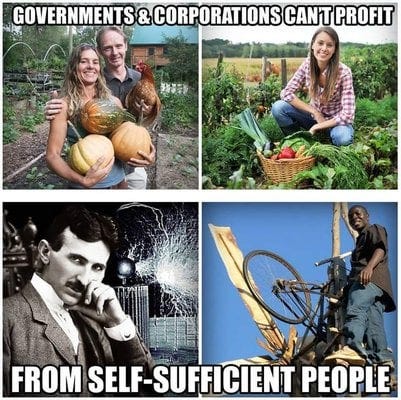
Large scale degenerative agricultural practices (which are often perpetuated via involuntary governance systems) have been a leading cause of the downfall of many ancient civilizations. The same degradation of soil that was in part responsible for the fall of the Roman empire is amplified and increased in magnitude by our modern technology that not only involves destructive tilling practices (that destroy soil structure, beneficial organisms, leads to soil erosion and eventually desertification of entire regions) it also involves the use of synthetic fertilizers and detrimental pesticides and herbicides that poison our water, soil, air and our bodies.
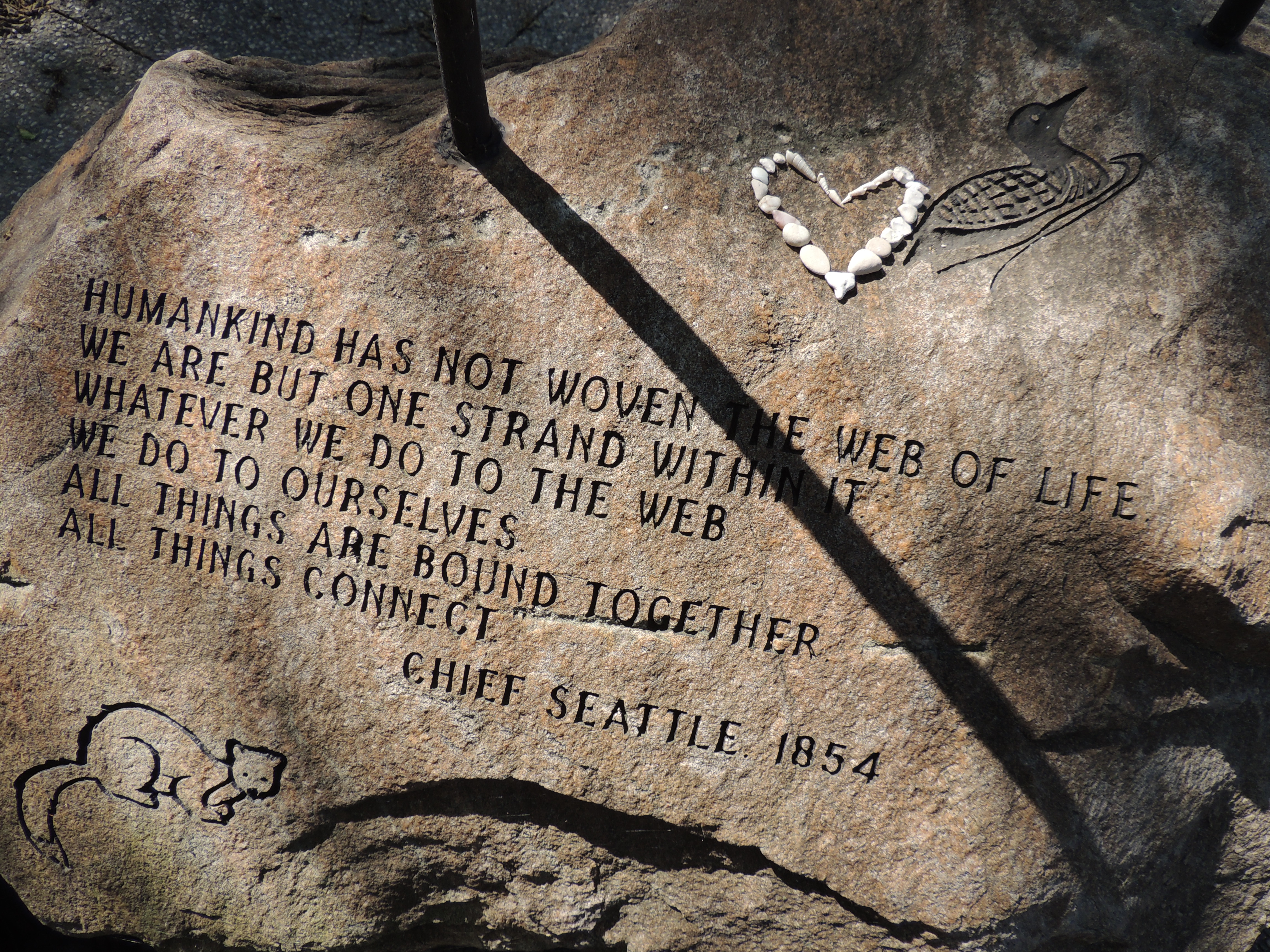
The truth of the matter is that we are losing our topsoil at an alarming rate due to the activities of humans, especially in the past century. This is the result of large scale mechanized tilling dependent and synthetic petrolium derived NPK agricultural practices and in a larger context the degenerative practices spanning millenia. Over 20 BILLION tons of soil a year is currently being lost due to deforestation, backwards thinking and the adversarial modern approach to farming which wages war on microbiology, insects, plants and fungi rather than symbiotically working in alignment with the web of life. Heavy tilling, prolific glyphosate and other types of toxic biocide usage, synthetic petrolium based NPK inputs and monocropping have desertified huge portions of once fertile land.
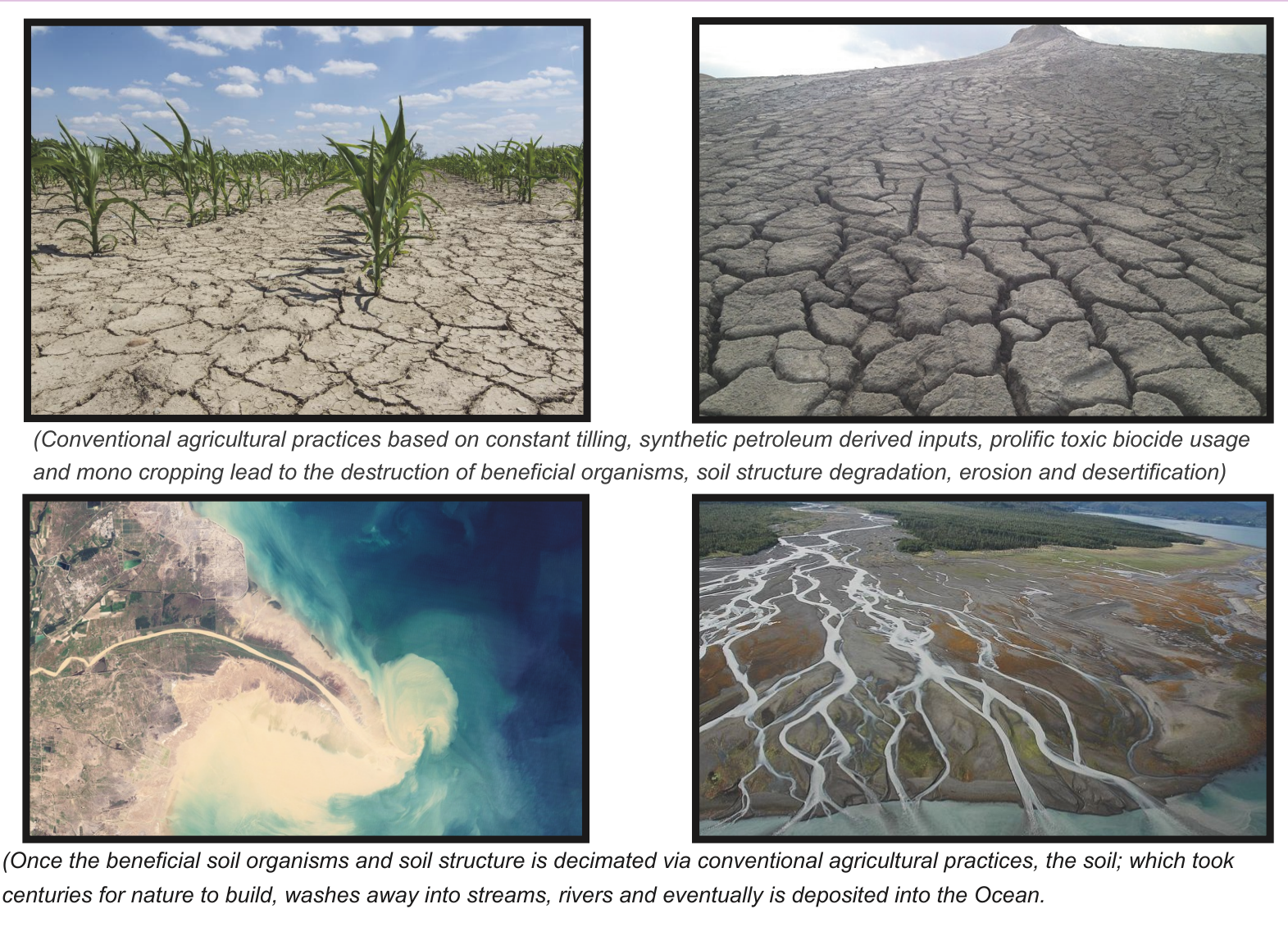
When we choose to grow our own food, we are withdrawing our support from those industries as we are not buying the products produced by their destructive agricultural practices.
Furthermore, above the massive agricultural corporations is another toxic and detrimental industry, the private central banking cartel. These are people that have invented elaborate systems so that they can print/create money which allows them to have material wealth, dominate others, and then go buy food from farmers who work the land. They do this without lifting a finger, while the common people (most who are unaware that there are people who have set this up) end up working hard all day at a 9-5 job to get paper or digital currency from those first people, then go and give that paper or data to a farmer (or grocer who got it from the farmer) and get ‘food’. Why not skip all the middle men? Grow your own food, nourish the body and soul, and plant the seeds for not only ourselves, but future generations to have an abundance of True Wealth.
Beyond just boycotting degenerative industries and institutions, gardening (when done regeneratively and using permaculture design methods) can actually create microclimates within arid climates (literally reversing desertification and creating self perpetuating oasis’
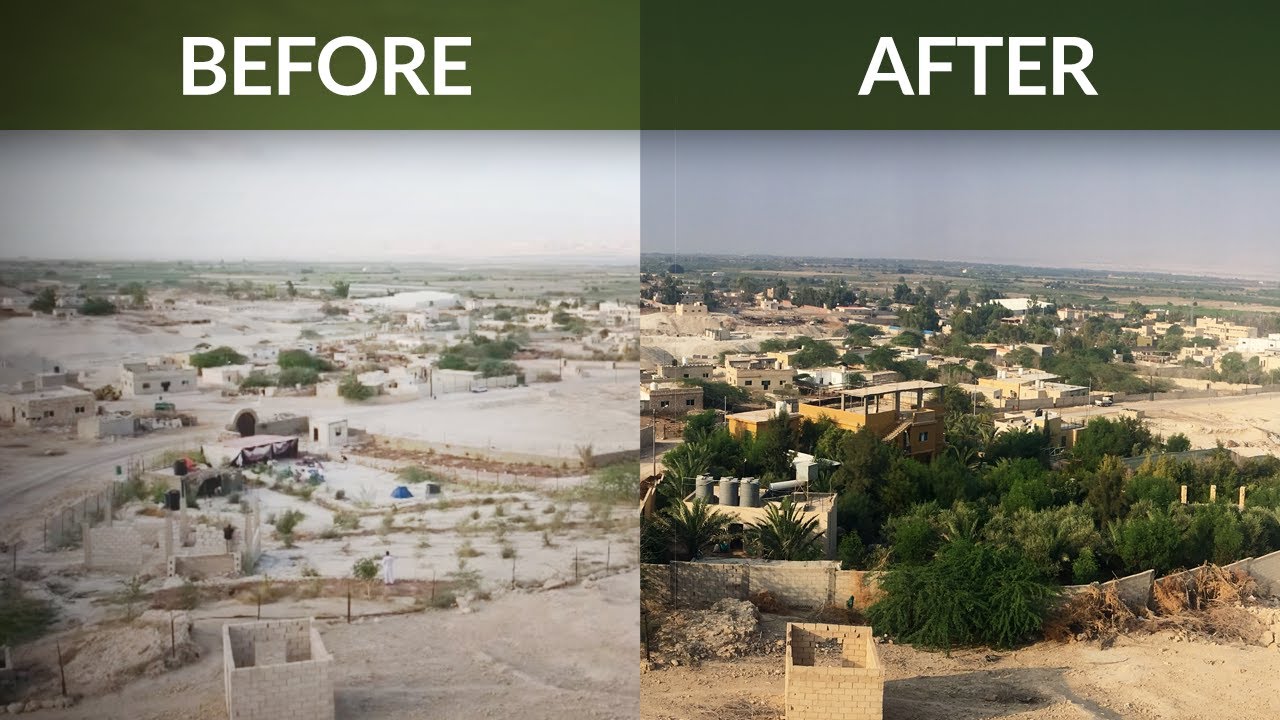
Morocco provides another example. It appears that many generations ago people were practicing something similar to what we now call “permaculture” and “food forest design” (working with nature to encourage a succession of food bearing plants that fill every niche in an eco system, becoming self-sustaining and self-perpetuating and providing habitat for many creatures as well as food and shelter for humans).
The ancient food forest in Morocco exists in the midst of a desert. Yet it is a forest eco-system that protects / builds soil, holds moisture and produces abundant food crops. (Date palms are the main overstorey species with an understorey of carob, bananas, quince, olives, figs, pomegranates, guava, citrus, mulberries, tamarinds, grapes... and many more smaller species.)
10. Growing our own food means leading by example and showing the benefits of extremely valuable life skills to the young ones who look up to us:
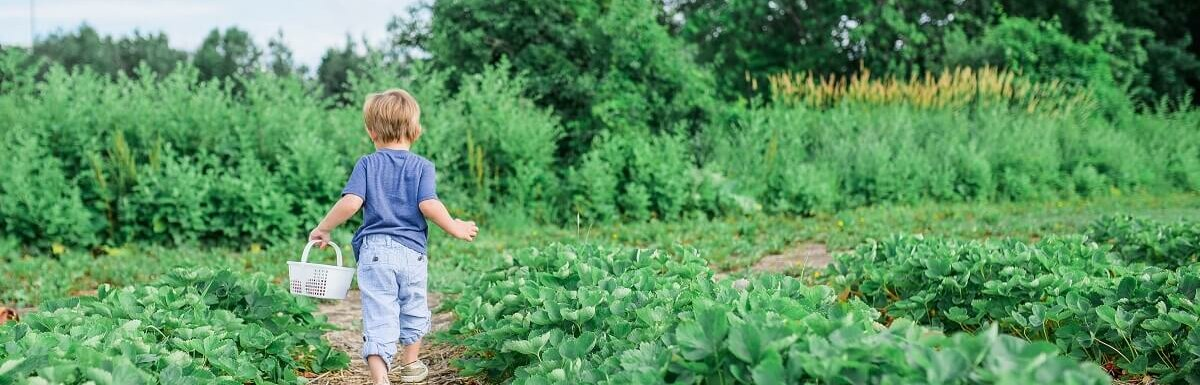
How nature-oriented was your childhood? Do you remember admiring flowers in full bloom, while chasing the butterflies and bugs hovering nearby?
That may not be an experience shared by youngsters today. A recent UK study has revealed 83% of children between the ages of five and 16 can’t identify a bumblebee.
When 1,000 children were shown pictures of native plants and animals, 82% did not recognize an oak leaf and nearly five out of 10 failed to spot a bluebell.
We live in a time where most children in Canada and the US are capable of identifying over 1000 corporate logos, yet they can only identify less then 10 plant species. In this time of a hyper-distracted and over stimulated chemical/digital culture, offering avenues for children to slow down and reconnect to things that really matter in life (like gardening) is a very meaningful gift we can share with the children and future generations.
11. Exercise :
Growing your food, getting outside, breathing fresh air and being closer to nature all provide wonderful health benefits. But gardening also offers physical activities that can improve the big four – endurance, strength, balance and flexibility.
Caring for the soil and garden plants can be made less physically strenuous than a conventional approach using methods like no till gardening, companion planting, ‘stacking functions’ and other permaculture techniques, but cultivating the soil and growing delicious and nutritious food inevitably means moving around regularly, bending, stretching and lifting. Regular exercise and a healthy diet prevents (and can help address and reverse) obesity which can lead to diseases such as cancer, heart disease, and high blood pressure.
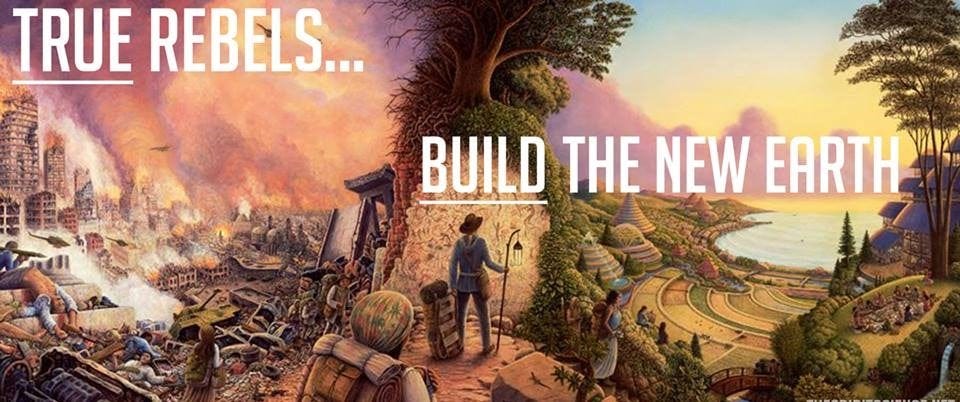
12. Growing your own food and medicine in a garden sabotages the plans of the megalomaniacal oligarchs that want to control every aspect of our lives:
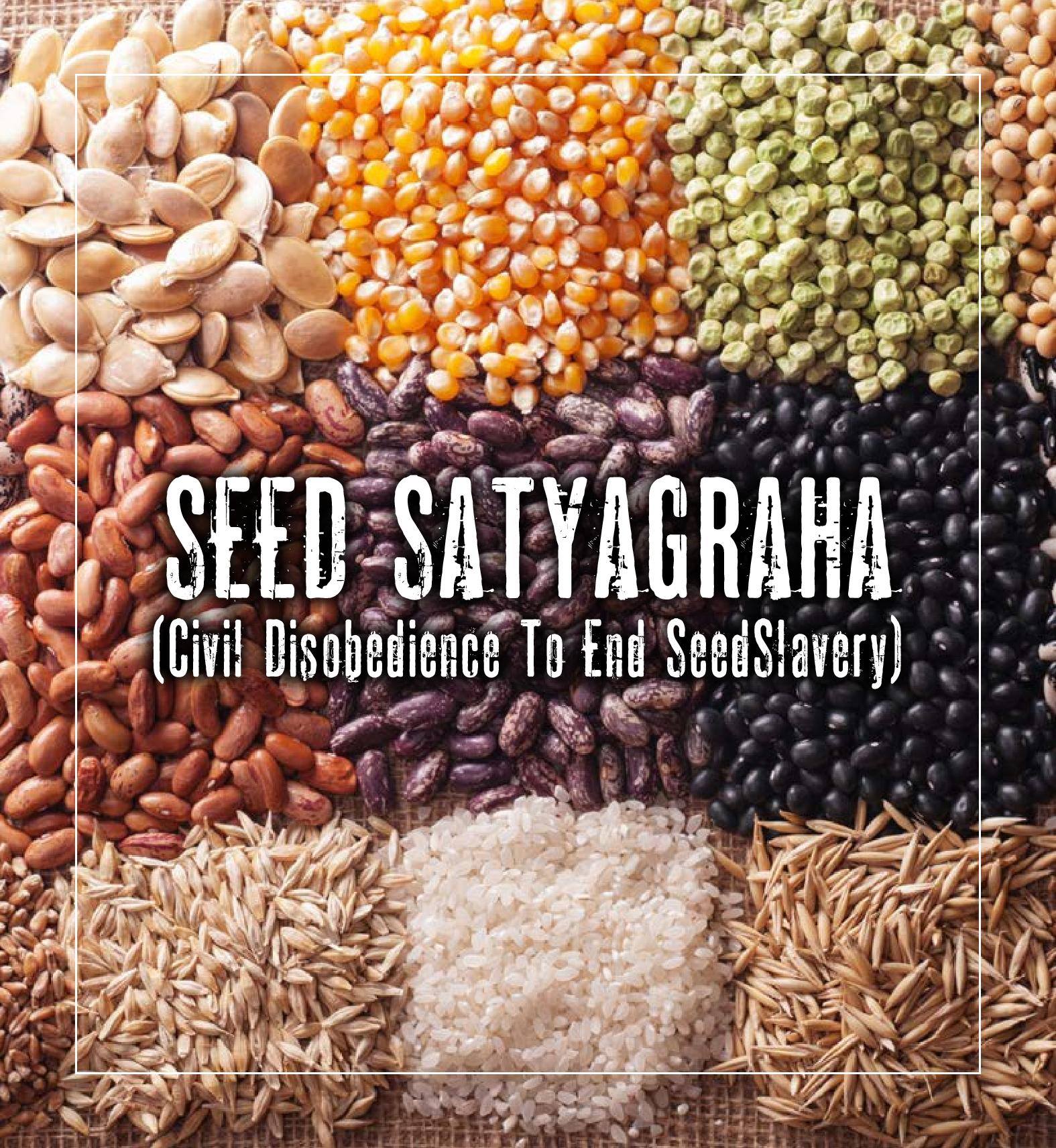
I consider saving heirloom seeds as an act of sabotage as it throws a monkey wrench into the machinery of the global corporatocracy (that wants to own all seed, buying out and shut down the small family owned companies, patent what they can and perpetually profit from their false claims of owning intellectual rights to the genetic fabric of life).
https://web.archive.org/web/20220717024817/https://farmersfootprint.us/2020/04/07/seeds/
We can effectively sabotage their plans for erasing our shared living cultural heritage, nutrient dense diversity of open pollinated crops and our ability to save seed for free by engaging in what Vandana Shiva calls Seed Satyagraha in each of our households. https://seedfreedom.info/campaign/seed-satyagraha-civil-disobedience-to-end-seed-slavery/
When we are not only saving heirloom seed, but also growing and preserving food and medicine from our garden we are also engaging in an act of sabotage. As some of you may know, the oligarchs are working diligently to cripple the conventional farmers and global food supply via a variety of means. Creating decentralized food systems that are self-perpetuating (regenerative gardens and/or food forests) sabotages their plans to create a situation where the population is dependent on their centralized food infrastructure (and thus helps to de-fang their plans to use Digital ID, GMOs CBDC and social credit tyranny to force compliance through the dependence of the masses on their systems for our basic necessities).
These forms of sabotage also cripple their ability to enforce their totalitarian schemes on future generations, for through the act of saving seed, sharing it (and regenerating the earth at the same time) we begin to create communities that can be like islands of resilience and abundance that will be immune to the financial coercion tactics and digital shackles that may be utilized in the future.
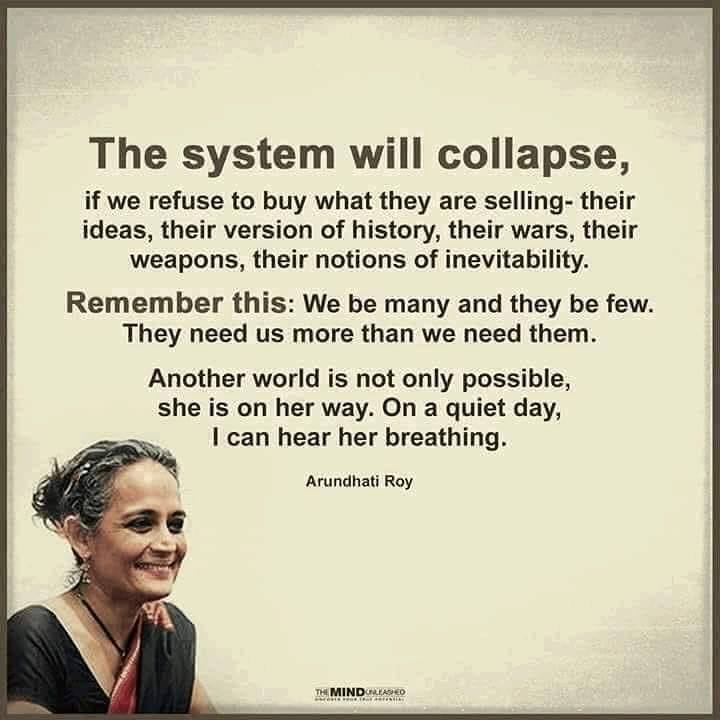
Each of us can do this to some degree, we can sabotage their plan to make us all into totally dependent consumers of mass produced gmo garbage ‘food’ and instead take back our food sovereignty.
For more info, watch the following Corbett Report Episode:
13. Gardening Strengthens, Nourishes and Heals Communities:
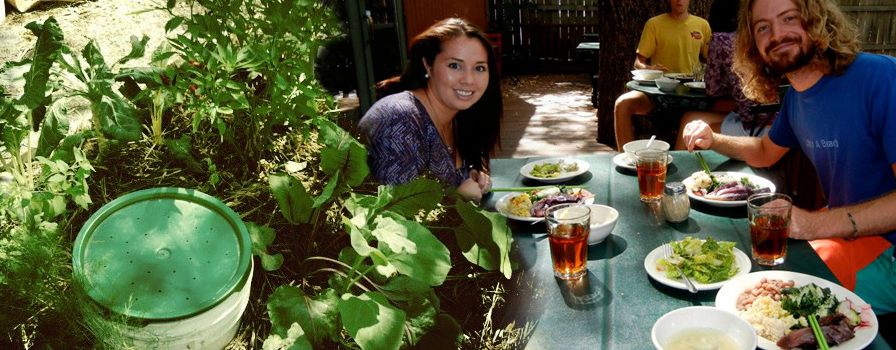
Growing food brings families together in the garden and at the table. The tending and harvesting rituals slow down one’s lifestyle and encourage more home-cooked meals. Gardens can also be social magnets that get neighbors talking over the fence, connecting families to their communities. Through cultivating and nourishing the soil, connecting with our neighbors and sharing the resulting abundance we begin to build resilience, symbiosis and lasting bonds throughout our community as a whole. In a time when propaganda on the tv, various digital addictions (video games, social media etc) and a materialistic lifestyle has come to dominate the lives and thinking of many in communities in the west, planting and sharing the abundance from one’s garden can serve as the most valuable and desperately needed kind of medicine for a world that needs to reconnect to the land where their food comes from.
While it is true that many of our communities (as well as much of our dominant western culture and broader societal infrastructure) is broken, this does not mean we should give up or lose hope. We can find wisdom and paths to healing through philosophies such as the Japanese art of Kintsugi.
The art of Kintsugi involves restoring broken ceramics by fusing the broken pieces back together with gold. It is an art form built on the idea that in embracing flaws and imperfections, you can create an even stronger, more beautiful piece of art. Every break is unique and instead of repairing an item like new, the 400-year-old technique actually highlights the “scars” as a part of the design.
Using this as a metaphor for healing ourselves, our communities and our society as a whole teaches us an important lesson: Sometimes in the process of repairing things that have broken, we actually create something more unique, beautiful and resilient.
When we re-connect with the living planet in a reciprocal relationship as our ancestors did, nurturing the land and our bodies through cultivating food and medicine crops in a way that gives back, we are mending the broken relationship that humanity has with the living world that sustains us. We are healing the fragmentation of our species and how we connect to our Mother Earth, and doing it in a way that (if done with love and care) can create a connection that is even more beautiful than it was before.
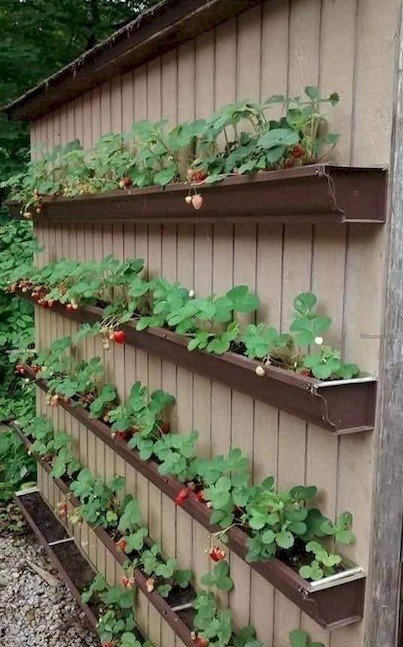
“As it stands, the prodigious powers of human creativity cancel each other out. The crystalline matrix of our co-creation has burst into shards.” - Charles Eisenstein (from his essay titled “A Temple Of This Earth“)
We can heal, merge and galvanize the fragments of our human family into something more beautiful than anything that has existed here in the past.
There are many beautiful examples of this beginning to happen all over the world… a few of those include the Food Is Free Project, the “We Are Human, We Are Free” worldwide nonviolent resistance movement, the Grow Free movement, John D. Liu’s Ecosystem Restoration Camps and The R-Future Conference.
14. The more garden you grow, the less you have to mow:
First of all, why do we even have front lawns in the first place? People rarely use that space to enjoy with their family and yet they spend large amounts of time and money maintaining them.
The History Of Front Lawns:
In the 17th century in England, we first saw the deliberate growing of trimmed grass by the wealthy and the aristocracy as a show of affluence. During those times, land was a valuable resource, as it was used to grow food, which provided a source of nutrition and a source of income. For a wealthy landowner to simply grow grass was a show of extravagance, flaunting the fact that they had land to waste as they pleased.
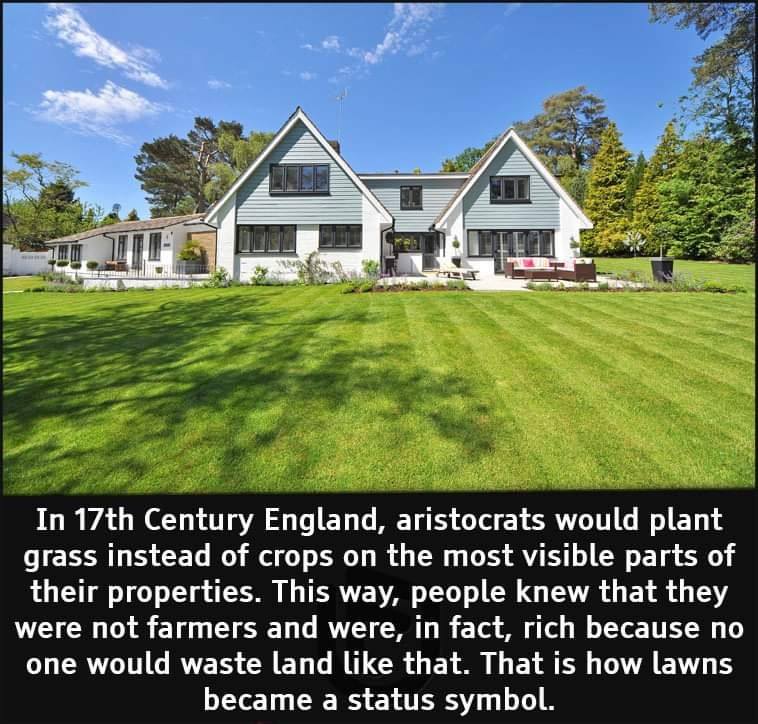
The enormity of such a status symbol may not be immediately obvious to us in our current day and age until we realize that lawn mowers did not exist at the time! These lawns were cut by hand — by servants using scythes, sickles and shears. The amount of labour involved in maintaining a large lawn was considerable, and only the wealthiest in society could afford to pay people to carry out this work.
The first mechanical lawn mower was invented in 1827 and patented in 1830 by engineer, Edwin Beard Budding (1795-1846) from Stroud, Gloucestershire, England.
After the lawnmower was invented, having a lawn no longer remained the mark of wealth and status that it once was, but this status symbol now became accessible to the masses. From that time onward, we’ve just kept on growing lawns in our front yards, forgetting that they were once grown as a symbol of wealth. Just another one of those unquestioned traditions that people blindly follow without knowing why.
Essentially, Hundreds of years ago, grassy lawns originally became popular to prove a person was wealthy enough to waste land rather than farm on it.
Here are some of the reasons we need to stop obsessing over perfect lawns, and make the move to regenerative gardening
- Noise and air pollution – Lawn mowers and similar equipment account for 5 percent of air pollution, and a fair amount of the noise pollution as well.
- Water wastage – Lawns require lots of water to maintain their perfect green color, accounting for 30-60% of all urban fresh water usage. Generally, the more that an area is water-insecure or stressed, the more that lawns and landscaping contribute to the problem by relying on the already limited water supply to not shrivel and die.
- Water supply – The water supply in the ground is then poisoned as the toxins seep into our groundwater, into our tap water, and then into us through various ways. Even if you don’t drink tap water, we bath, shower or swim in it most often. The skin is our largest organ and absorbs toxins quite easily.
- Higher concentration of poisons – Homeowners spend billions of dollars and use 10 times the amount of pesticide and fertilizers per acre on their lawns as farmers do on crops. Even though agricultural land takes up much more space than lawns, pesticide usage in urban areas is far more concentrated.
- Toxic toll on pollinators – The poisons sprayed on lawns are killing other plants/weeds that bees need to survive. As well, studies have shown that the bees are picking up the toxins, which is killing them directly, as well as the bees are spreading the toxins around.
- Pets, wildlife and children – While they may tell us to stay off the lawn for a few days after spraying, the poison doesn’t just disappear. Our pets, wildlife and children end up absorbing the poison by just touching the lawn after.
- Soil – Monocrops such as grass destroy the soil, which permaculture repairs the soil.
Clearly lawns are not the answer, even if you take the poisons out. The issues with pollinators from removing the other plants/weeds, wasting water, and the destruction of the soil are still problematic. Its time to grow food my friends!
Wouldn’t you rather look out at a bunch of vegetables, fruits and flowers growing in your garden than a wide expanse of grass you have to constantly take care of that doesn’t feed you anything?
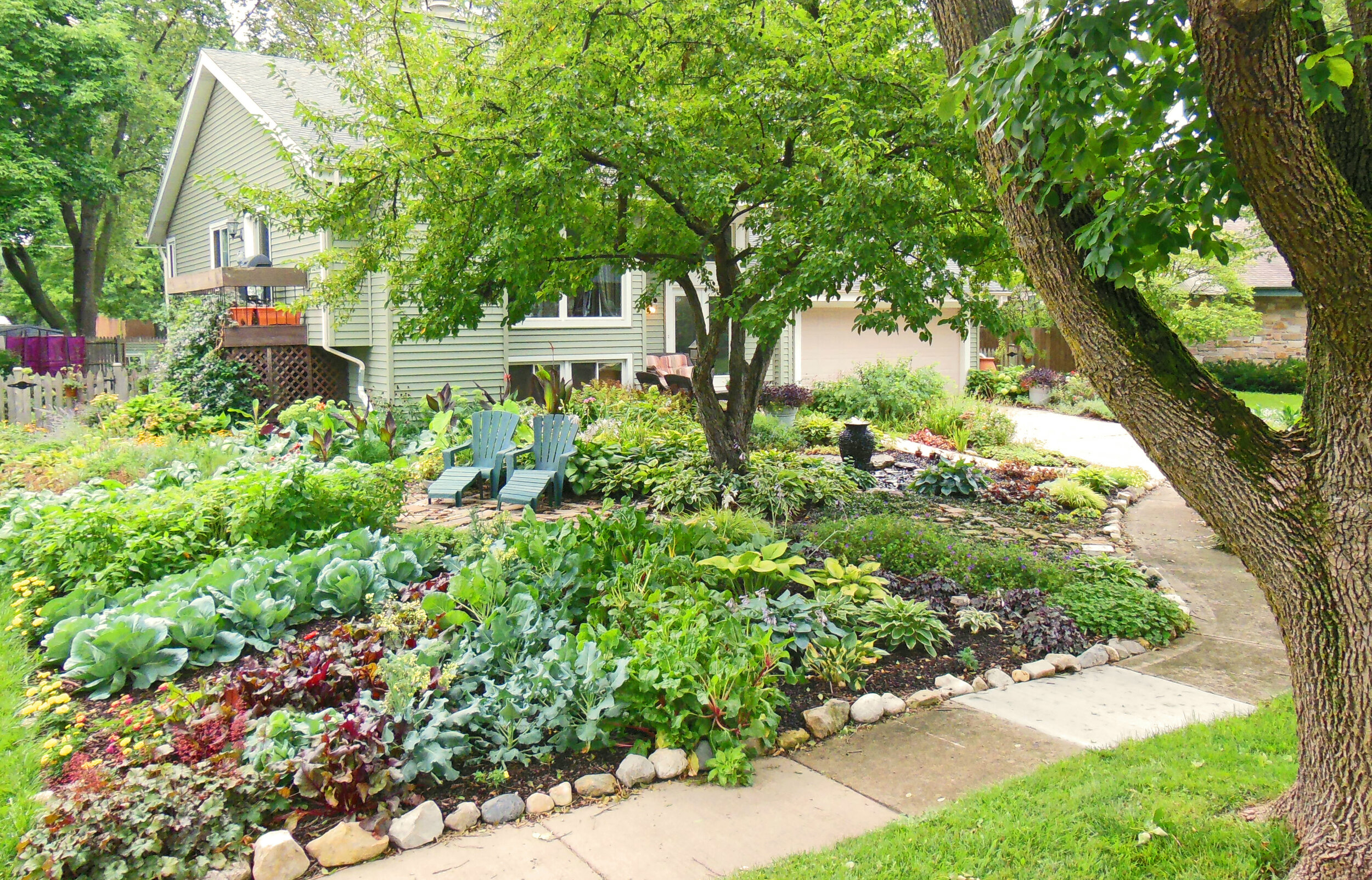
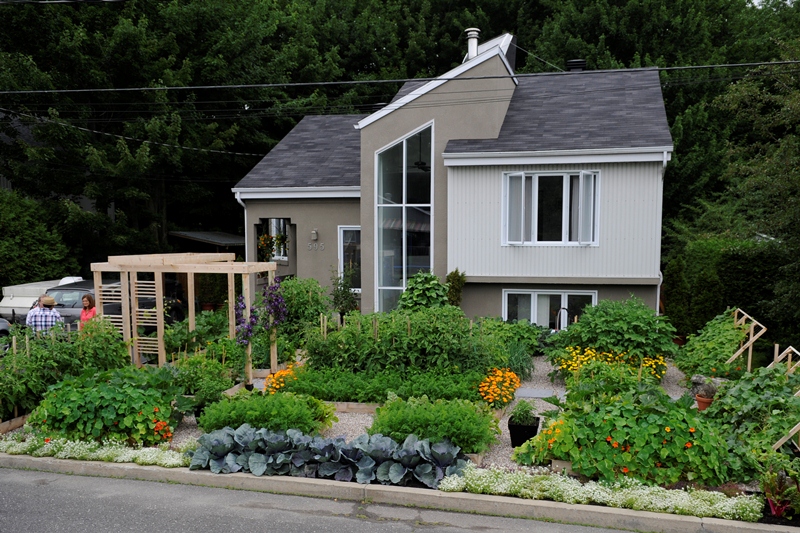
15. Help the bees:
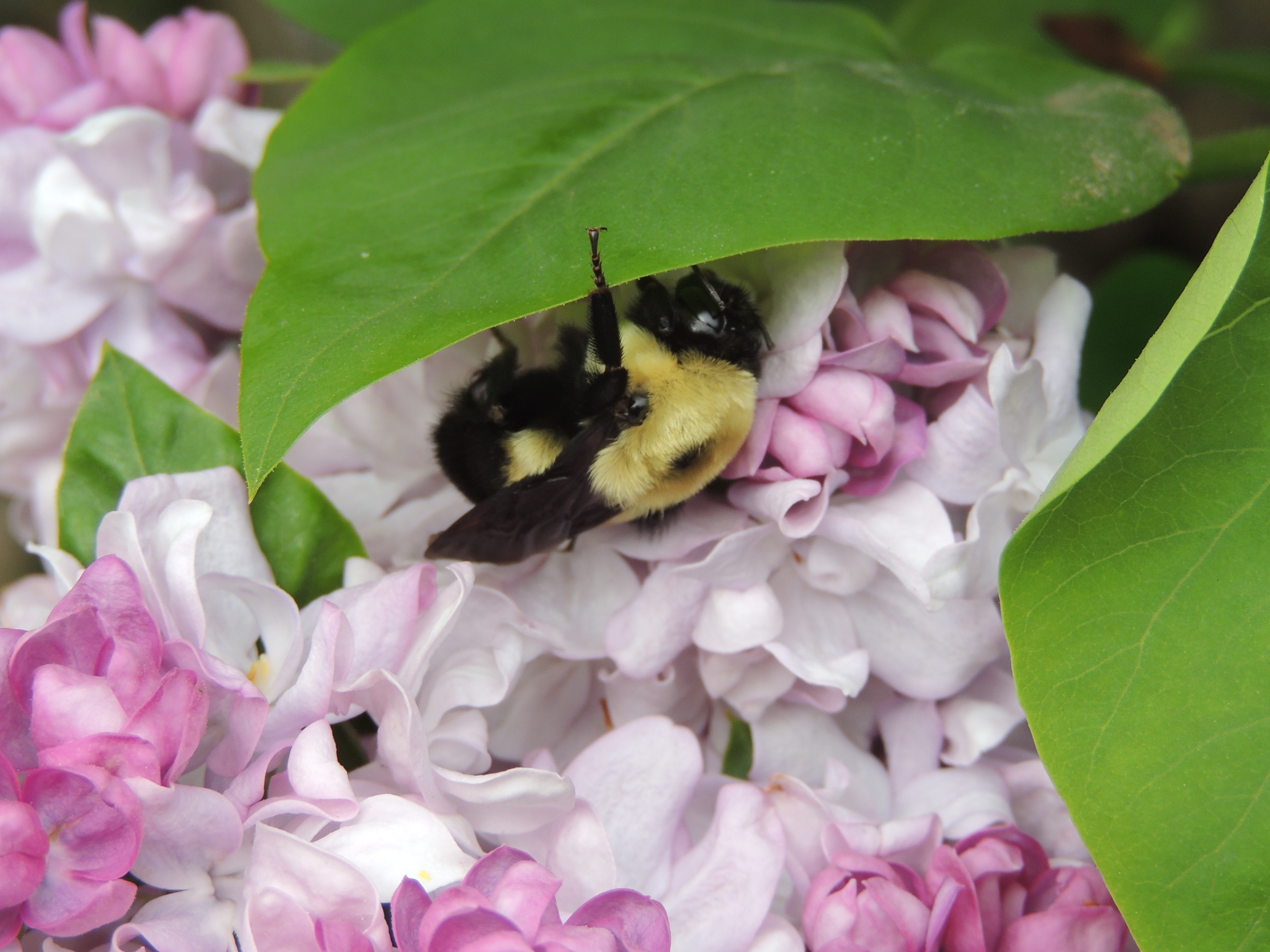
When you grow a wide variety of heirloom organic vegetables, herbs, berry bushes and/or fruit trees, you are helping the bee population to have a diverse source of nectar from the flowers. Bees (and other pollinators) are essential to our continued survival and way of life. Without bees to pollinate our fruit trees and vegetables large portions of the population would starve.
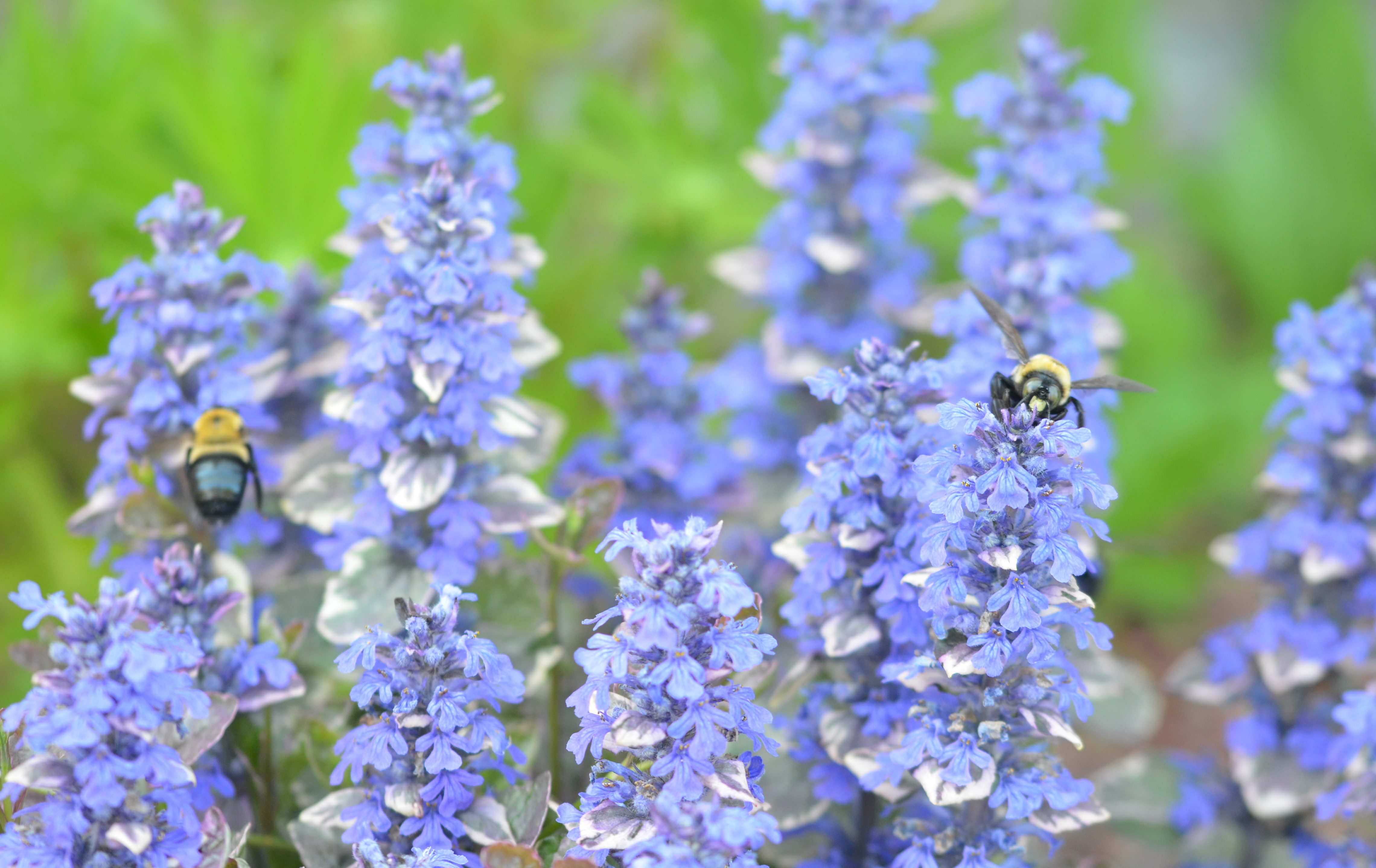
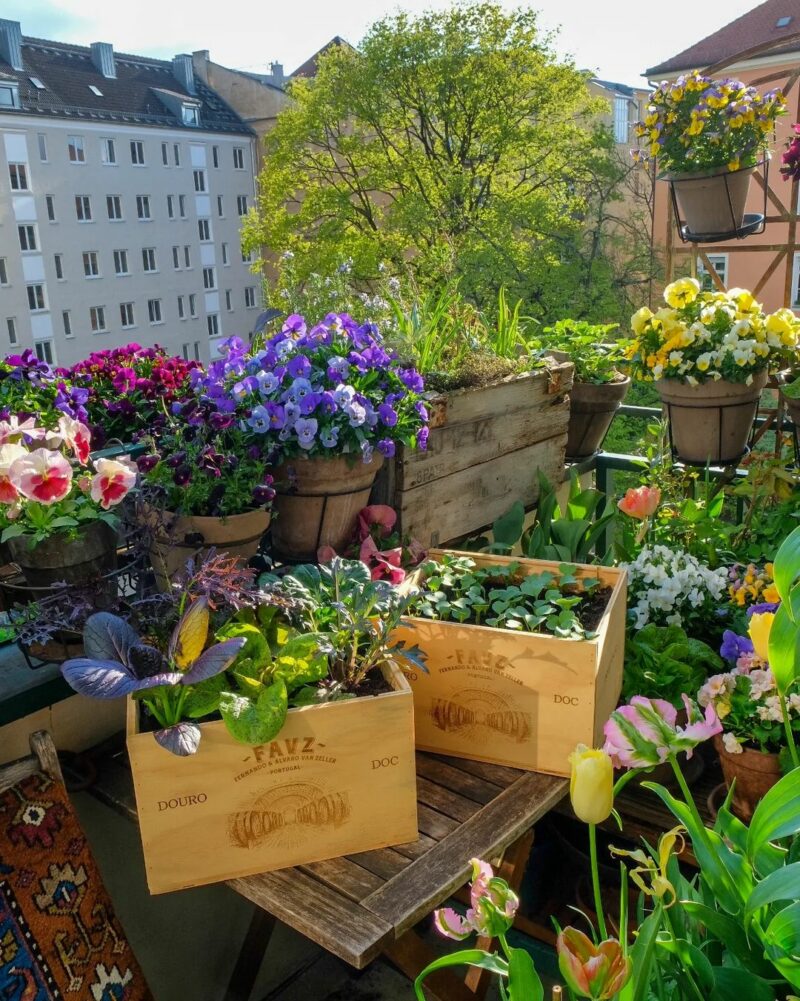
Globally, honey bees are disappearing at an alarming rate because of the spread of urban development, increasing pesticide and chemical use, parasites, disease and loss of habitat. Bees struggle to survive in our cities and suburbs because of these impacts
Why are bees so important?
- 1/3 of all food in the world is dependent on pollination
- 3/4 pollination of main crops are pollinated by insects (most efficient are honey bees)
- so many vegetables and fruits require bees for pollination
- without bees our food sources would reduce to some grains, a few fruit species and fish.
- grazing animals rely on clover and other bee pollinated pastures
- the more bees in your garden, the bigger your harvest will be
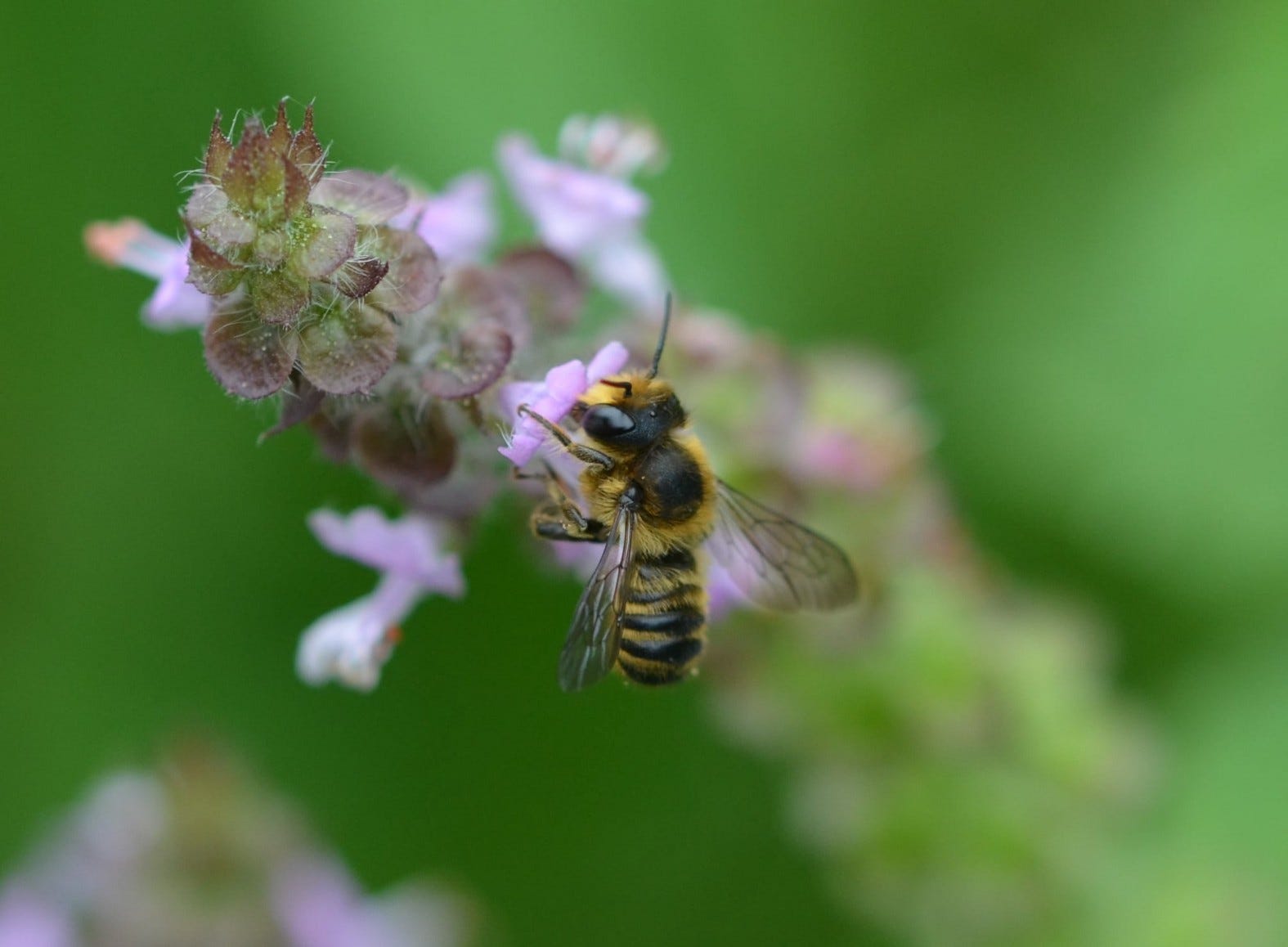
What do bees need?
- range of flowering plants makes them stronger and healthier
- plants flowering throughout the year
- open simple flowers – these are easiest for bees to collect nectar and pollen from – avoid modern hybrids with many petalled, dense flowers
- access to fresh water
- habitat and protection – logs, hollows and homes
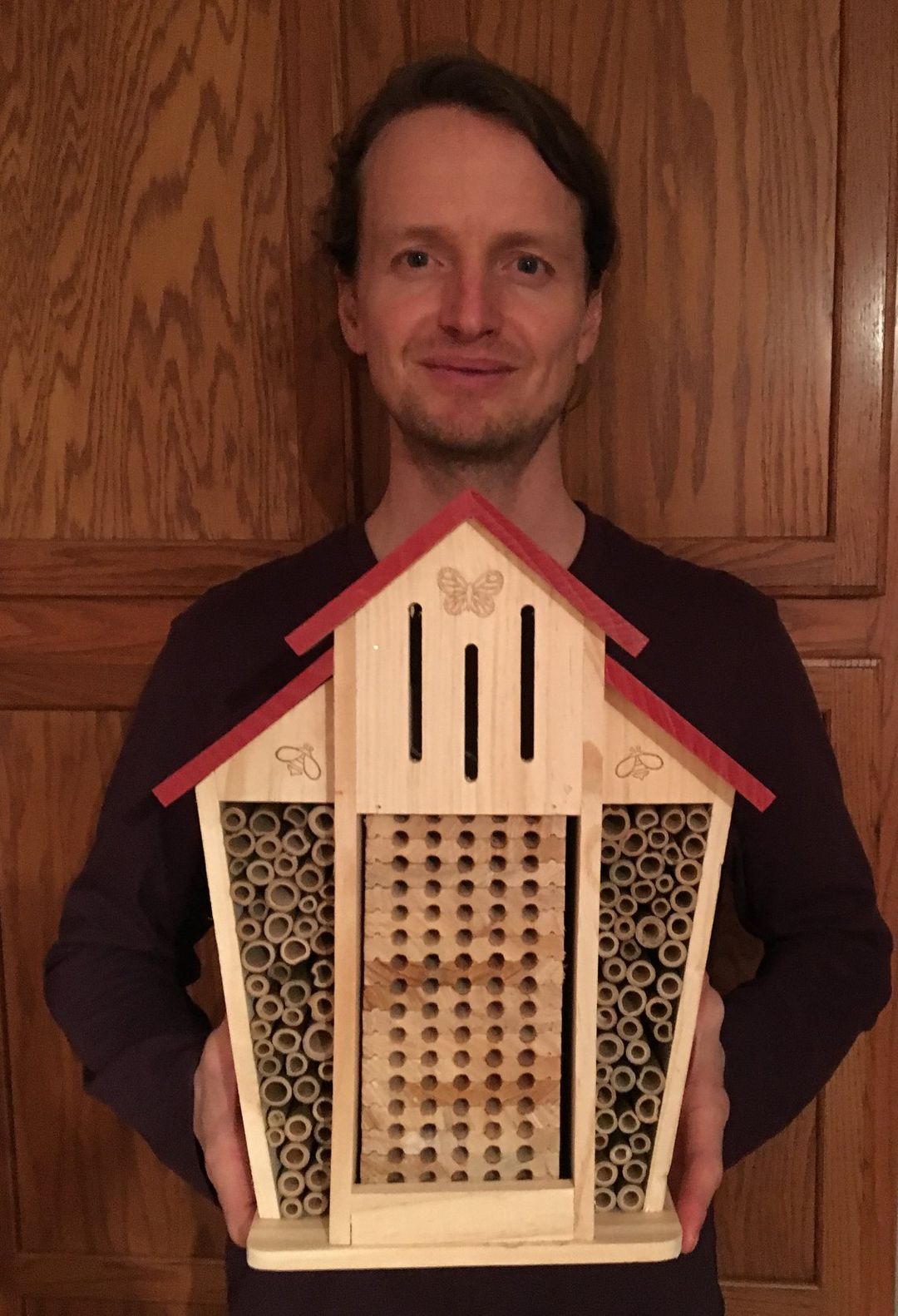
In recent years, the bee population has been declining due to the widespread use of toxic herbicides and pesticides like glyphosate aka “round up” and the destruction of their natural habitat. The more diverse and continual pollen available from a vegetable/herb garden (or food forest) makes for healthier bees and in turn more food for your family.
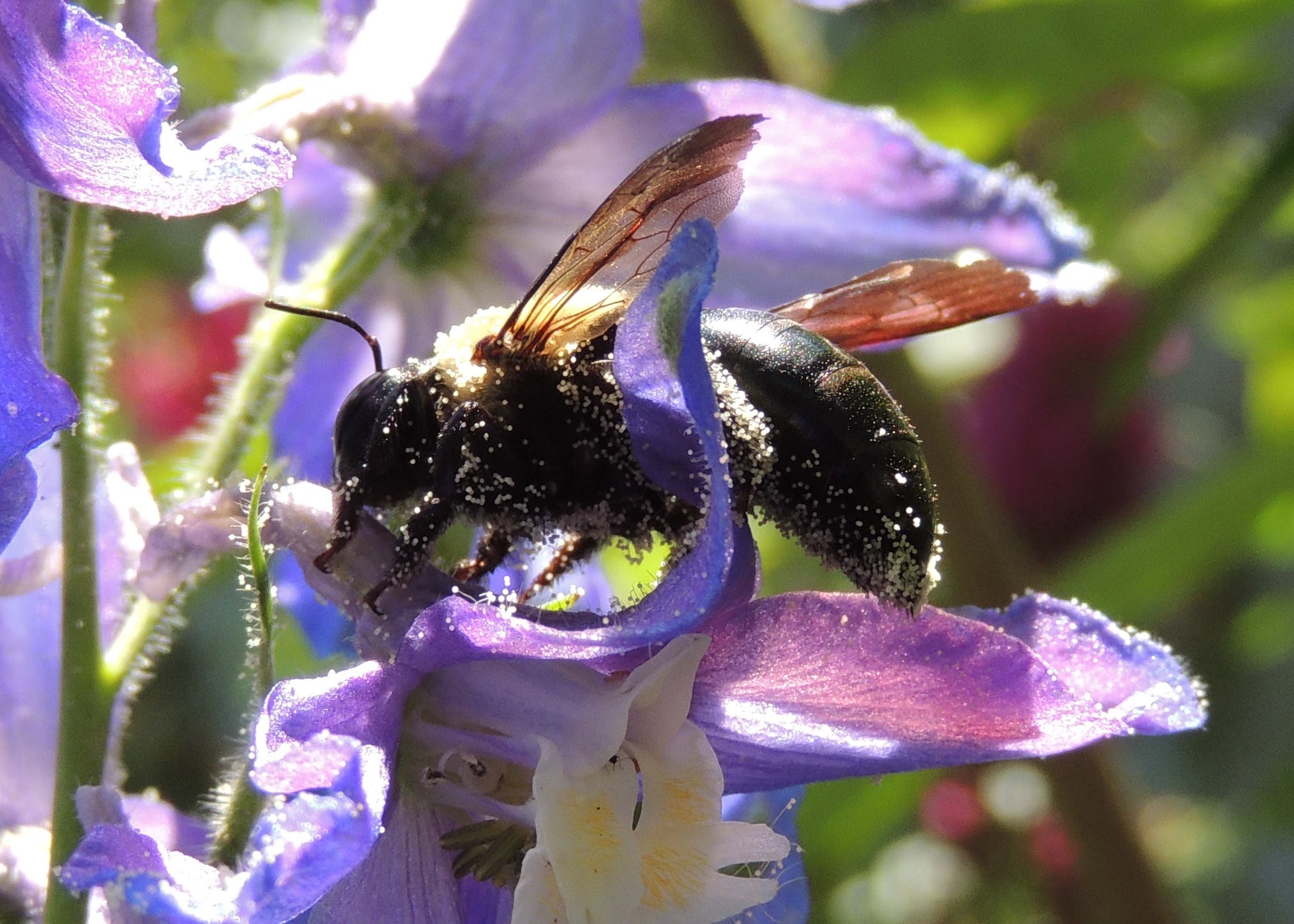
Bees have good colour vision and especially like blue, purple, violet, white and yellow. Create floral bull’s eyes — plant a single species in clumps about four feet in diameter instead of in scatterings.
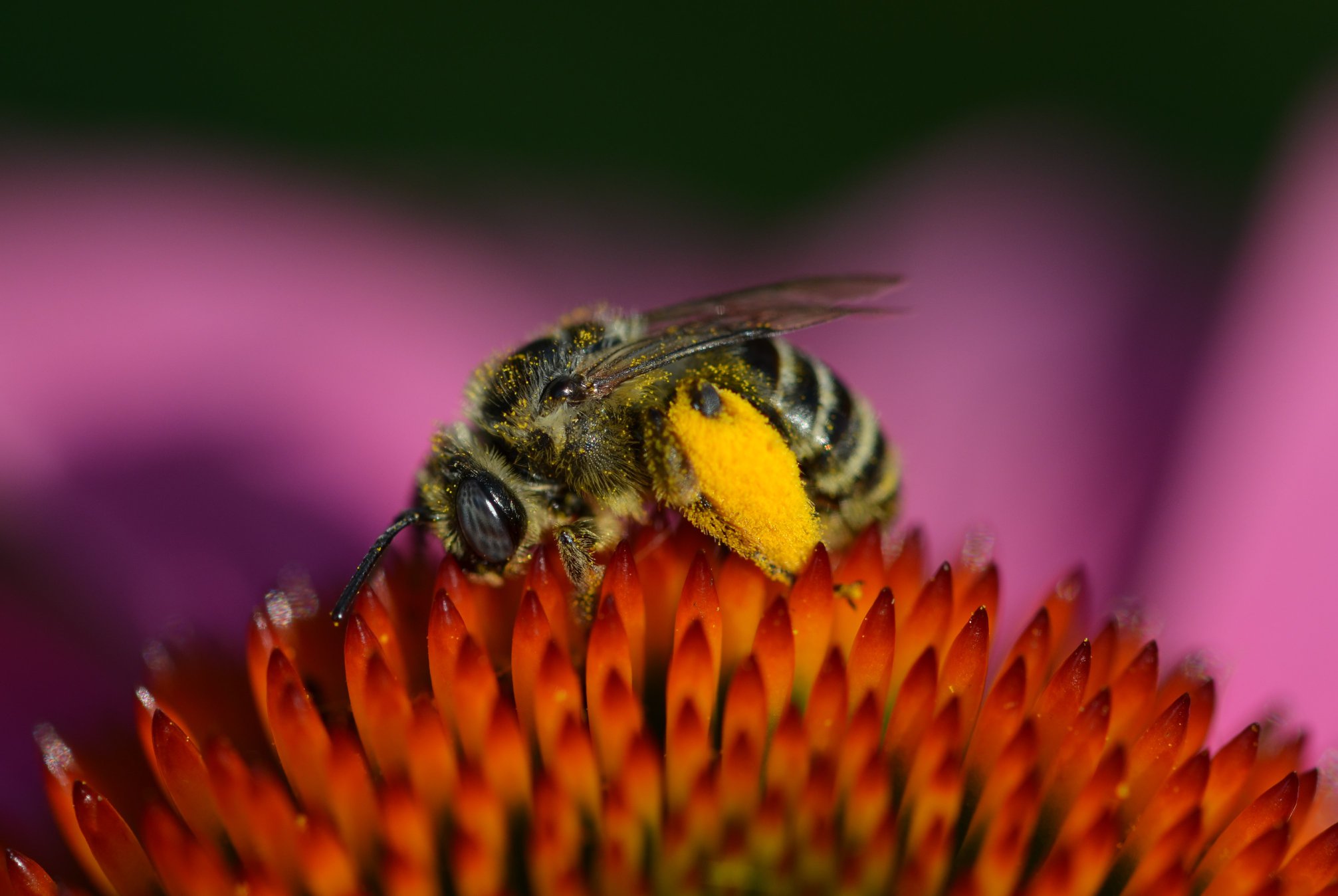
Many bees feed on one or a small number of plants. Include plants with a variety of flower shapes and sizes to attract a greater diversity.
What plants attract bees?
Some Herbs That Bees Love:
Basil, chives, comfrey, coriander, fennel, lavender, lemon balm, mint, mustard, oregano, parsley, rocket, rosemary, sage, tulsi, thyme, yarrow, Borage, and anise hyssop.
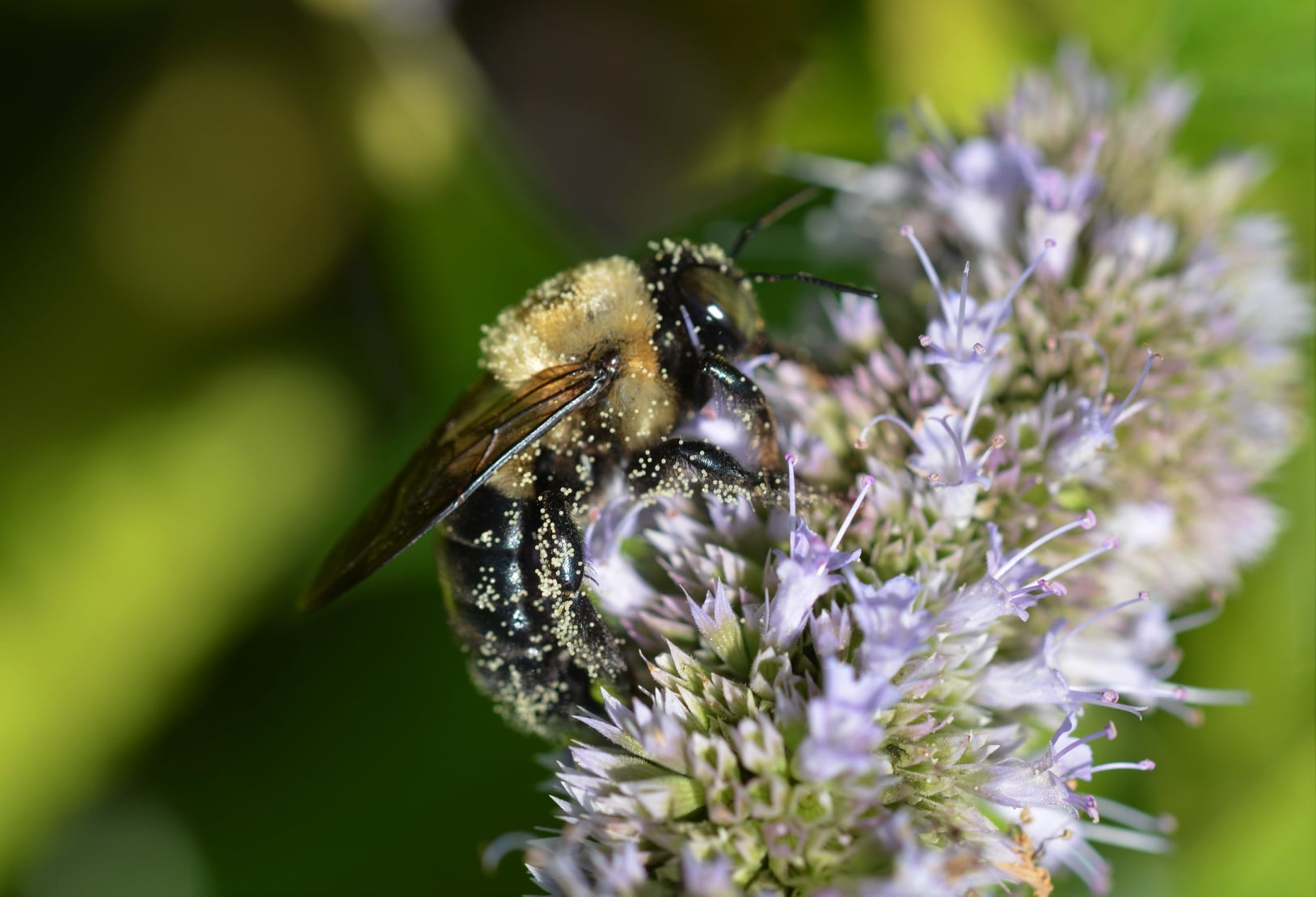
Veggie Flowers:
Brassicas, capsicum, chilli, cucumbers, leeks and onions, pumpkins, squash and tomatoes
Flowers
Alyssum, calendula, cornflower, cosmos, daisies, echinacea, geranium, marigold, roses, salvia, sunflowers, zinnia, lavender and many more!
Click here for more info on how to create a bee-friendly garden.
16. Homegrown food contains more Qi (or ‘Lifeforce”):
Beyond just containing more nutrients and flavor, food grown in rich fertile soil with love also possesses non-physical energetic attributes that it’s store bought (mass produced/hydroponically grown) counterparts do not. Many ancient traditions express a shared concept that as the foundation of all life is a field of energy. This field of energy has been given many names, Qi, Prahna, Vibration etc. The plants and fungi we eat all contain this energy (to differing degrees). Our scientists are now beginning to be able to measure this energy field with experiments that show how non-physical stimuli like music, thought, emotion or words can influence the way plants grow. When we plant a seed in the rich living Earth in our garden and nurture that life to grow the resulting food we harvest is vibrating at a very high level on the quantum scale. This becomes apparent when one bites into a juicy homegrown tomato or cucumber and experiences not only a burst of flavor and other sensory pleasures but also a burst of uplifting energy that can leave one feeling grateful, connected and resonating in tune with Mother Earth.
17. Soil microbes have anti-depressant and cognitive function boosting capabilities:
That means working in the garden (touching and smelling that rich soil) has now been proven to have benefits to the human brain and immune system. Gardeners have been saying that working with their hands and the smell of the rich earth makes them happy for centuries and now science has discovered one of the reasons why that is! Interacting with diverse array of beneficial microscopic organisms in the kitchen (with fermented foods) and in the garden (through working with living soils) increases the resilience of your body through the symbiotic relationships that take place between those microbes and your cells in your gut and in your blood stream/brain. Eating fermented foods... touching and smelling rich living soils these are some of the ways we open up a two way communication to Mother Earth and her ancient memory of health, symbiosis and regeneration through receiving data on a molecular and cellular scale through our microbiome. Each handful of living soil you lovingly gather up to support your seedlings is opening up a symbiotic dialogue between your cells and the more ancient organisms that call this world home. Get outside, work in the soil and get your hands dirty more often this year to improve the function of your immune system and brain.
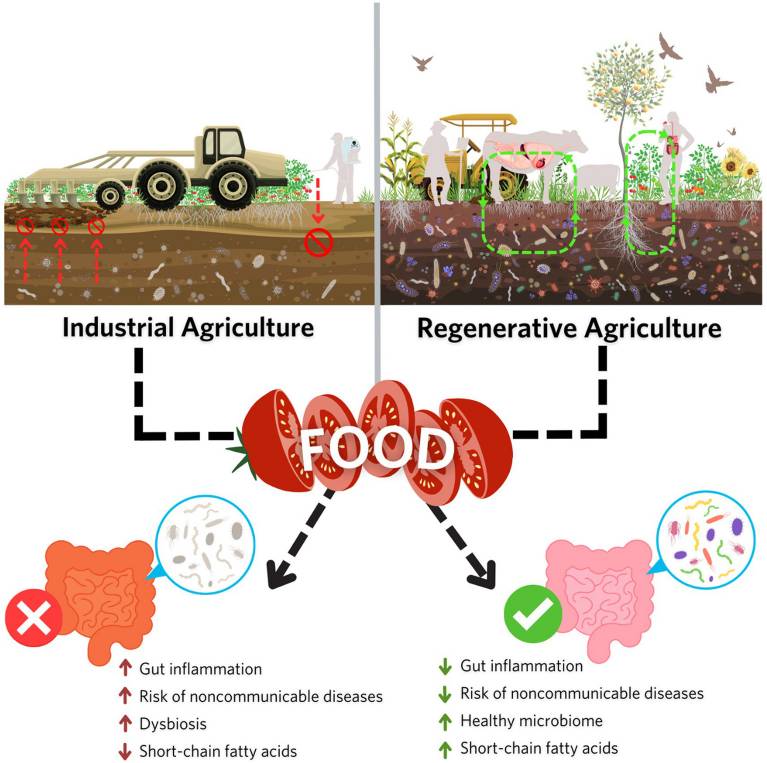
Research suggests that differences in soil quality such as the accumulation of soil organic matter and microbial diversity and functionality influence not only crop quality (including mineral content and phytochemical concentrations) but also impact human gut microbiome health (via physically working with the living soil and breathing in that environment). Regenerative gardening practices prioritize the restoration and maintenance of the soil environment, improving crop nutrient quality, and supporting a more diverse and functional human gut microbiome. In contrast, industrial agricultural practices, which rely extensively on synthetic inputs, have been shown to negatively impact soil microbiome diversity, potentially leading to negative downstream effects on human gut microbiome composition and health.
Articles and research:
- https://qz.com/993258/dirt-has-a-microbiome-and-it-may-double-as-an-antidepressant/
- https://www.gardeningknowhow.com/garden-how-to/soil-fertilizers/antidepressant-microbes-soil.htm
- https://www.discovermagazine.com/mind/is-dirt-the-new-prozac
- Sharma AK, Petrzelkova K, Pafco B, Jost Robinson CA, Fuh T, Wilson BA, et al. Traditional human populations show parallel gut microbiome adaptations to analogous ecological conditions. [DOI] [PMC free article] [PubMed] [Google Scholar]
- Ma Z, Zuo T, Frey N, Rangrez AY. A systematic framework for understanding the microbiome in human health and disease: PMID: [DOI] [PMC free article] [PubMed] [Google Scholar]
- Clemente JC, Pehrsson EC, Blaser MJ, Sandhu K, Gao Z, Wang B, et al. The microbiome of pre-colonial regenerative indigenous horticulturalists. PMID: [DOI] [PMC free article] [PubMed] [Google Scholar]
Soil Bacteria Work In Similar Way To Antidepressants: https://www.medicalnewstoday.com/articles/66840#1
Identification of an immune-responsive mesolimbocortical serotonergic system: Potential role in regulation of emotional behavior: https://www.ncbi.nlm.nih.gov/pmc/articles/PMC1868963/
18. Growing Organic Heirloom Crops At Home Preserves Genetic Diversity
As noted above Until a hundred or so years ago, farmers saved their seeds to plant for the next season. Thousands of varieties evolved across the globe, constantly adapting to their environment and to the preferences of the culture and cuisine.
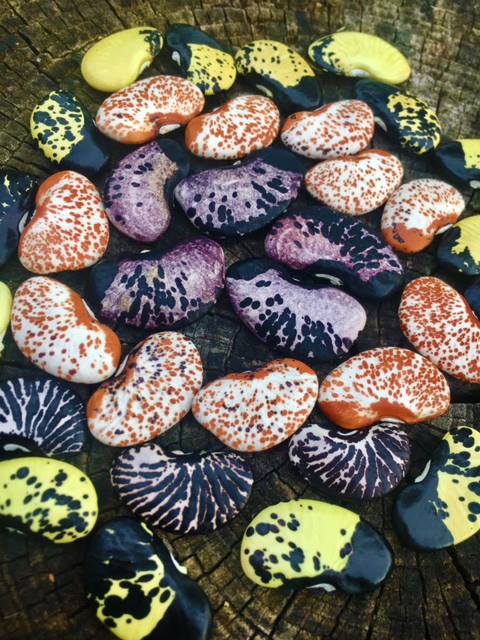
Just 50 years ago, some 1,000 small and family-owned seed companies were producing and distributing seeds in the United States; by 2009, there were fewer than 100.
Thanks to a series of mergers and acquisitions over the last few years, four multinational agrochemical firms — Corteva, ChemChina, Bayer and BASF — now control over 60 percent of global seed sales.
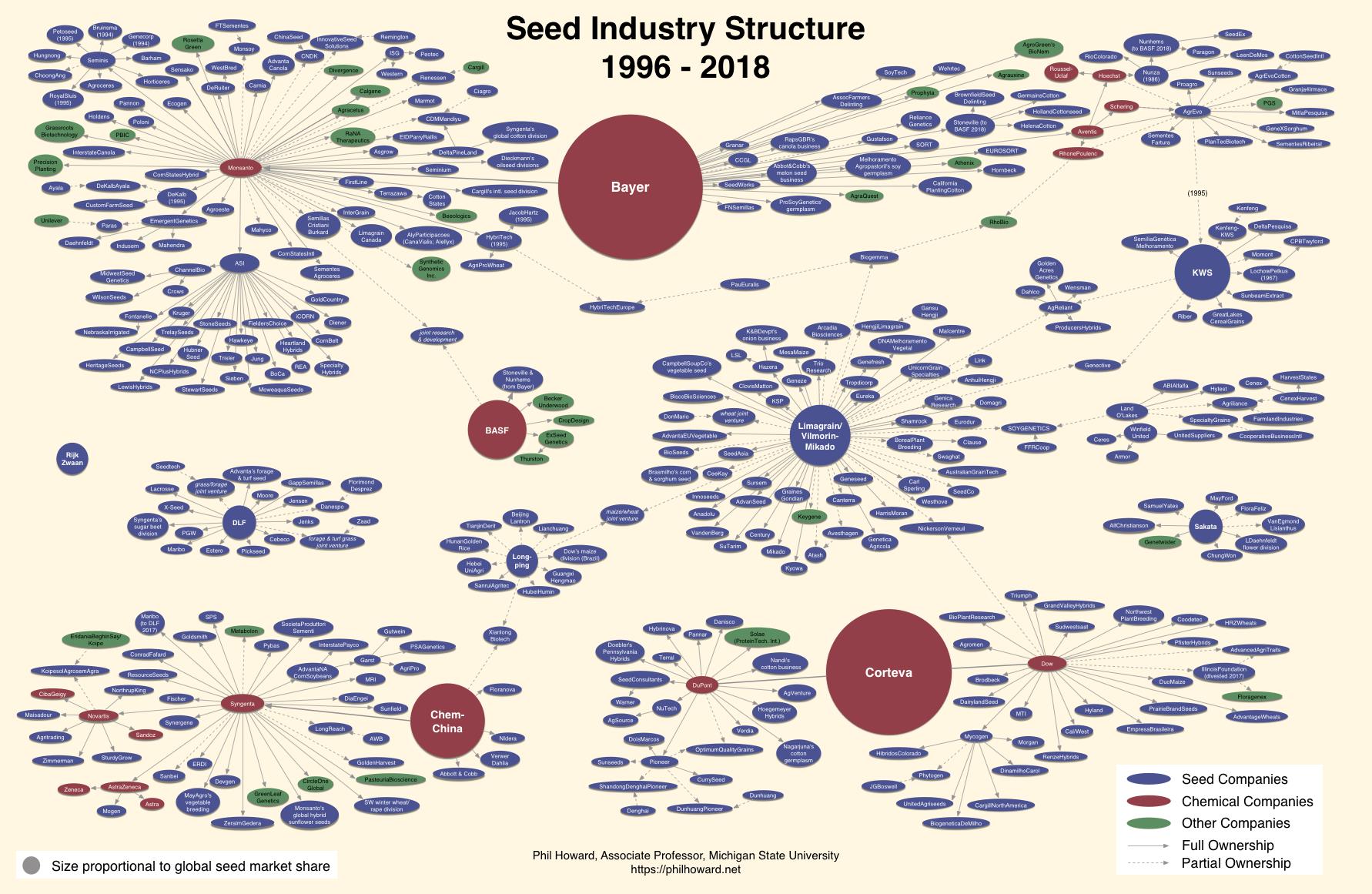
The slow march of seed consolidation suddenly turned into a sprint. Chemical and pharmaceutical companies with no historical interest in seed bought small regional and family-owned seed companies. Targeting cash crops like corn and soy, these companies saw seeds as part of a profitable package: They made herbicides and pesticides, and then engineered the seeds to produce crops that could survive that drench of chemicals. The same seed companies that now control more than 60 percent of seed sales also sell more than 60 percent of the pesticides.
GMO byproducts degrade and deplete soils of vital minerals and beneficial bacteria, both of which protect crops from pests, viruses, and other threatening elements. Glyphosate which is used in conjunction with GMO seeds does not biodegrade, which means it is continually accumulating in the environment without restraint, perpetually altering soil composition and contaminating natural resources.
If what we put into the soil is toxic, what we get out is toxic.
Growing heirloom garden crops using Regenerative cultivation techniques reduces the use of harmful chemicals, improves the soil’s ability to sequester carbon and retain water, and strengthens biodiversity.
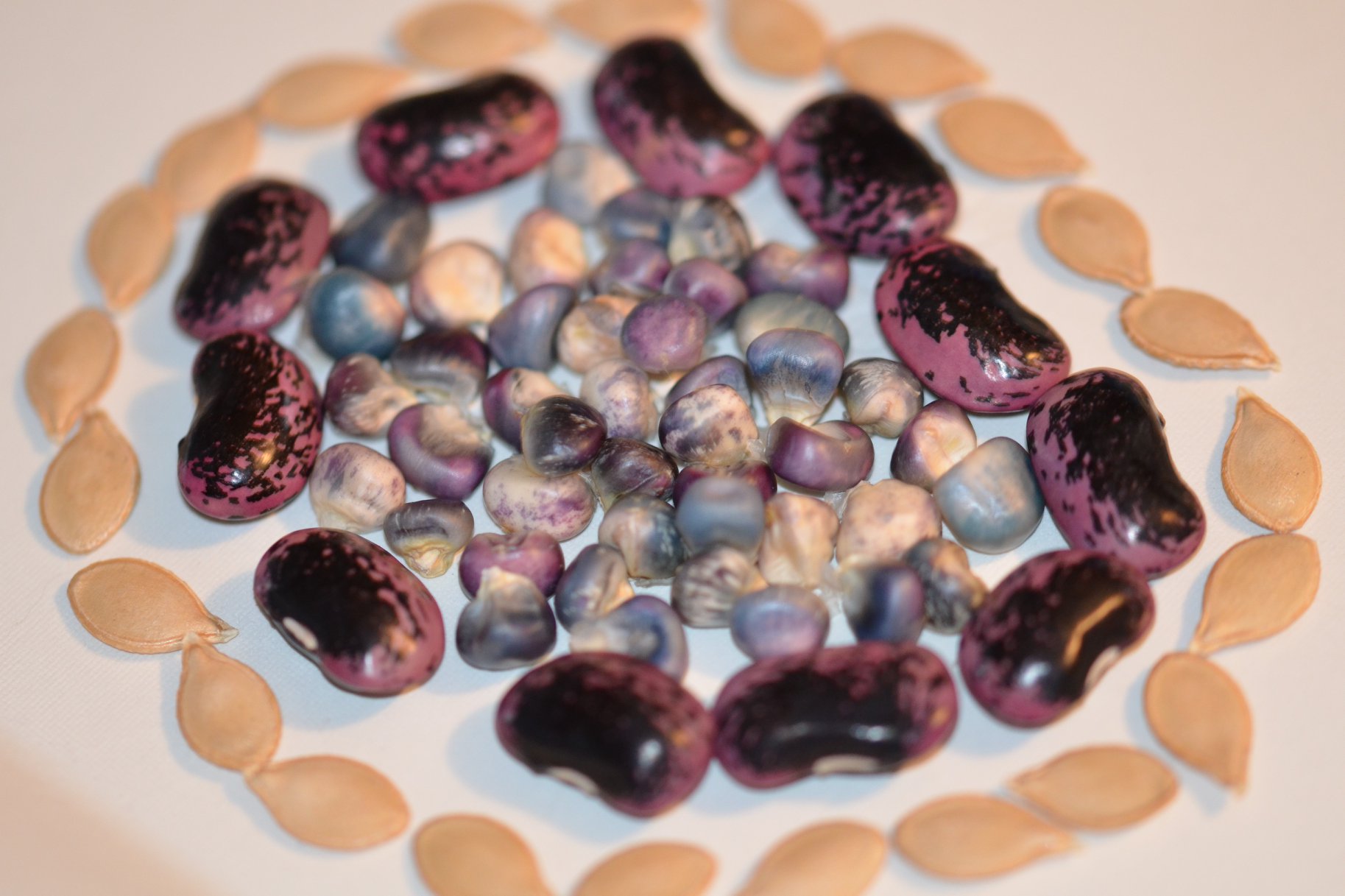
These efforts need more than our support; they demand our participation, the same engagement with seeds that humans had for thousands of years. Seeds not as commodities but as a vital part of our cultural commons; seeds not as software, but as living systems: seeds as the source of a new food revolution.
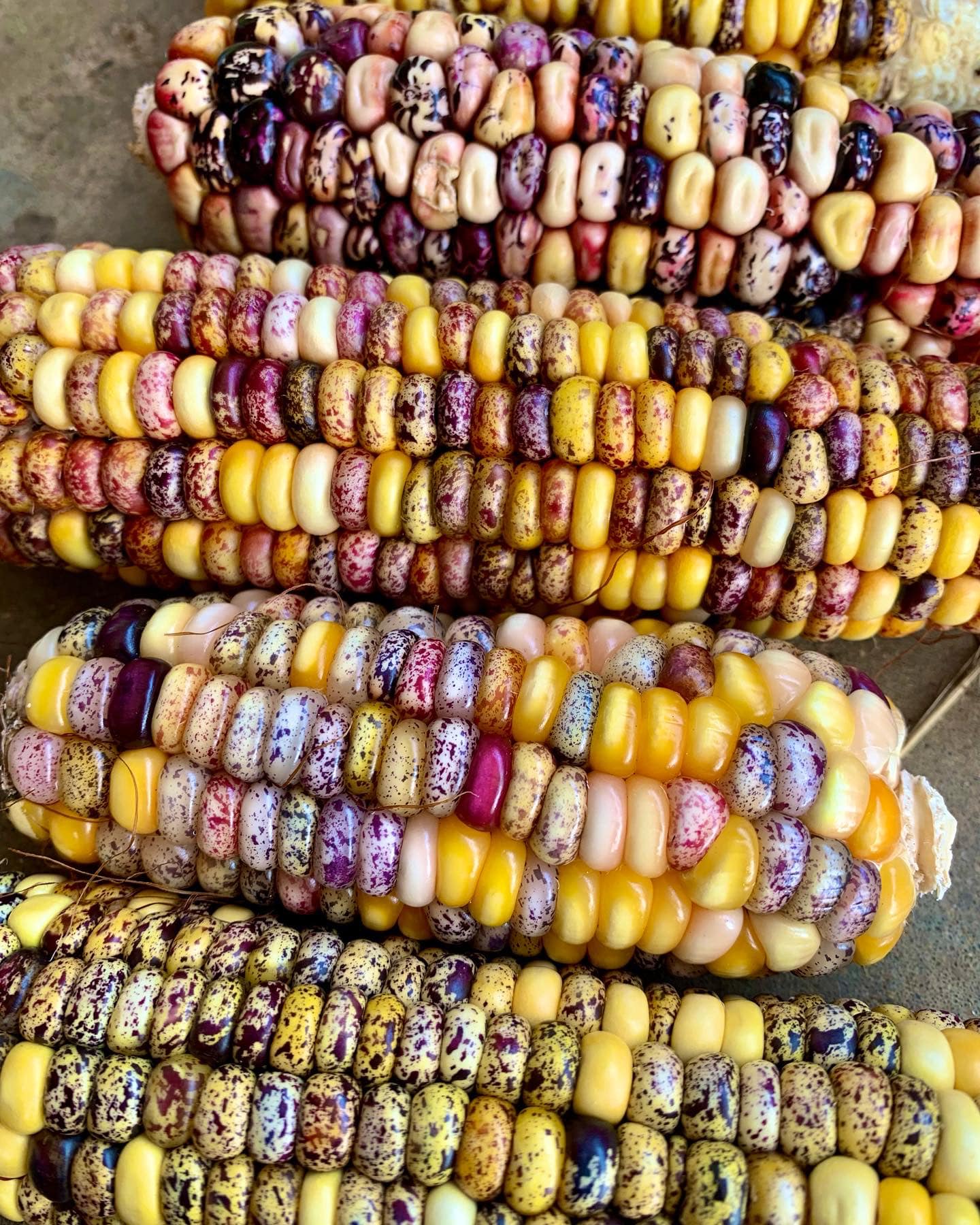
What can you do? Share this article with people you feel would be open to starting a garden, support companies that are protecting our heirloom seeds and take action to grow heirloom varieties in your own gardens (saving and sharing the resulting seed) to protect and preserve the biodiversity that took countless generations to create.
The act of saving seed from your heirloom garden crops is an act of love and hope for tomorrow. Not only does this act save one money and ensure food security for ones household, it also offers one the unique sense of satisfaction that comes from the knowing that each successive year seeds are saved the varieties of seeds are becoming more genetically customized to flourish in the specific climate and soils they are being raised in.
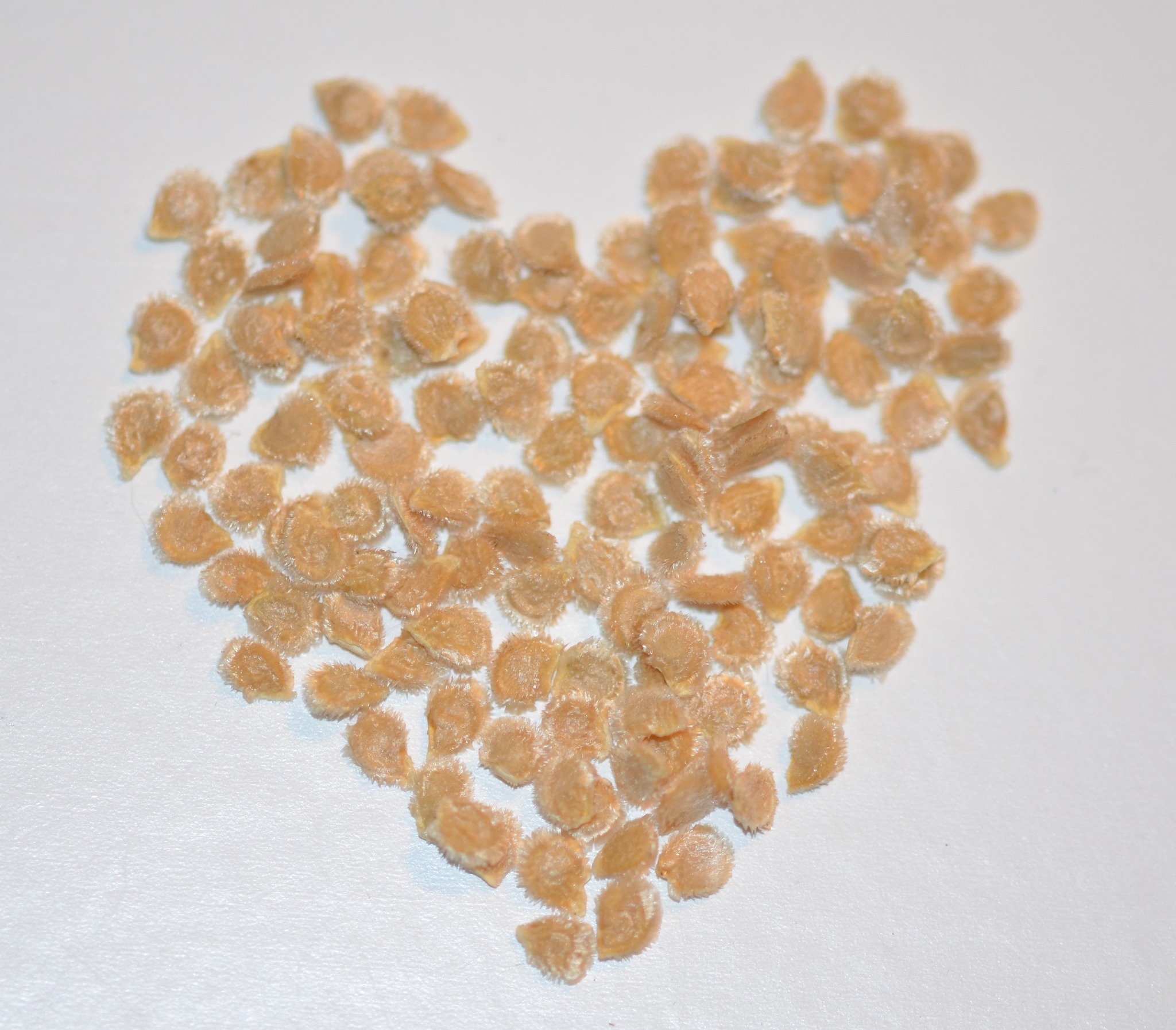
It is an act of co-creating with the forces of nature and an act of faith for it means holding that hope in our hearts that each spring we will plant those seeds and share the resulting abundance with our family and friends. In my upcoming book I will provide detailed instructions on how you can save seed from many different heirloom crops.
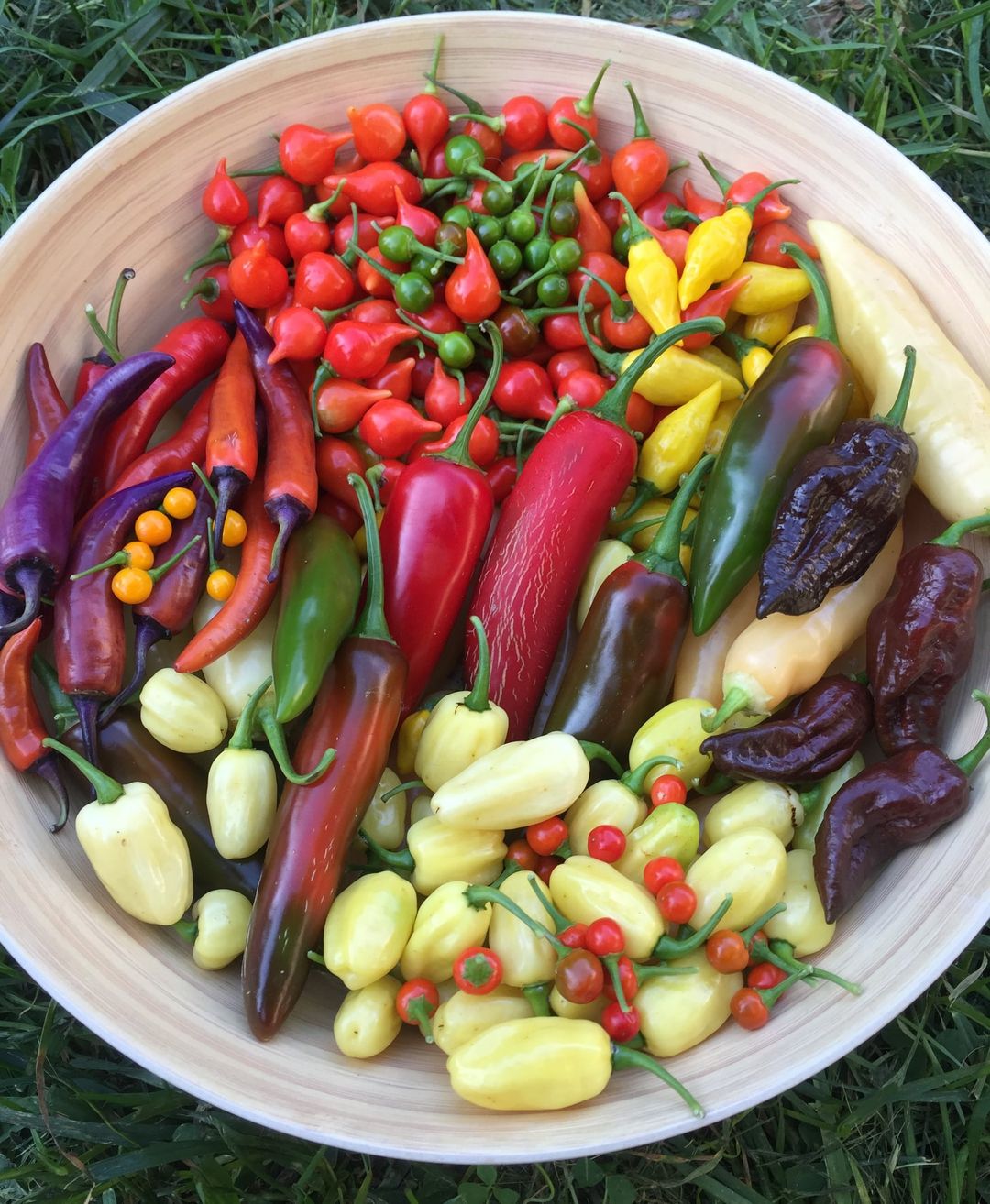
Saving seed is also a way to honor and connect with our ancestors in a meaningful way. If we source out heirloom seeds that have been tended for many generations and have deep roots in cultural traditions (some with origins before the dawn of industrial civilization) we are protecting and caring for the living lineage that was tended by our ancestors with love and purpose. In doing so we are showing respect for the hard work they put into saving seed from successive generations of the best crops so we could have access to many excellent varieties today. When we cultivate, nurture, harvest, cook with and save seed from heirloom varieties we are using our hands and our hearts to tend to the living legacy of those who came before us, we are keeping their culture alive, we are saying thank you to them and we are ensuring a good future for those who come after we leave.
For more info on the Future Of Food and how corporations and governments are attempting to adulterate, corrupt and control our food supply, watch the following Corbett Report Episodes :
19. Growing your own food nurtures a connection with your food and a lasting feeling of gratitude:
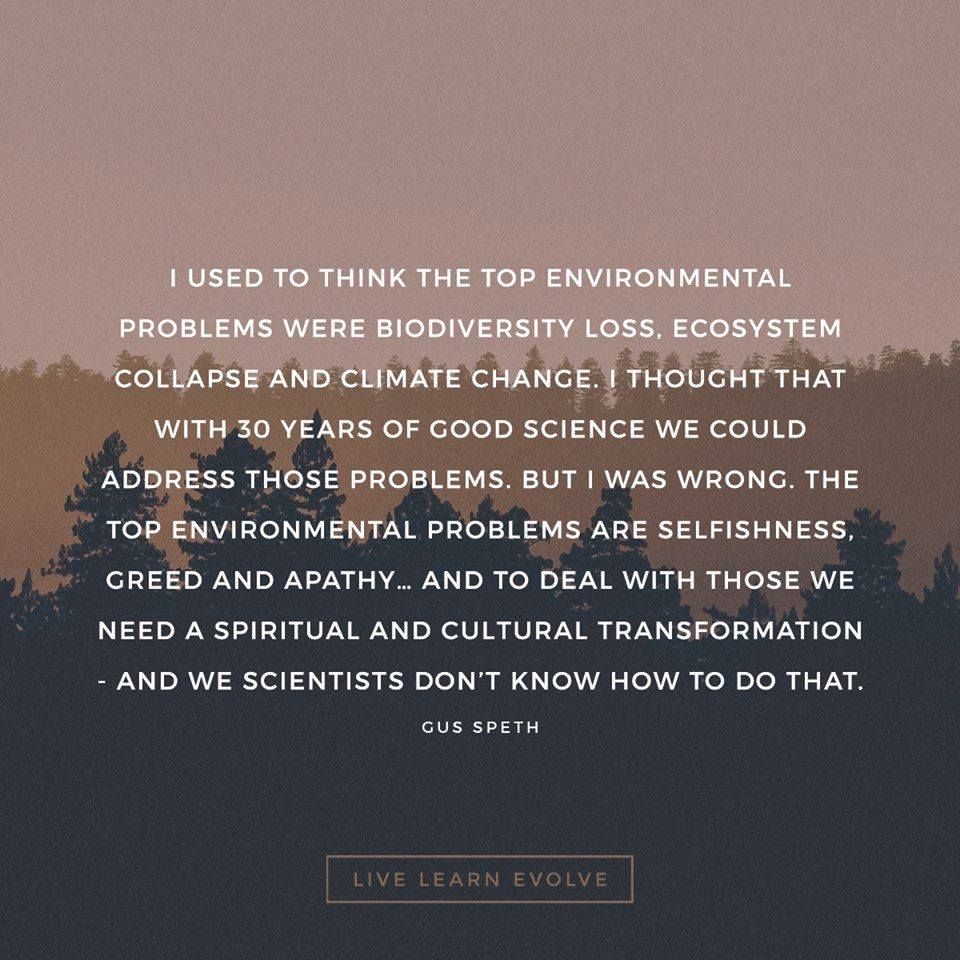
When you put TLC into caring for your garden plants and harvesting high quality crops that are the result of your hard work and patience this compels you to feel more of a connection with that food. This connection motivates you to avoid wasting, to cherish the gift of the nourishment it provides and to do so in a way that is creative and honors the beautiful produce you have grown. Thus, gardening invites ones to have reverence and deepen their connection to the food that nourishes them. This, in turn, nurtures a sense of gratitude, which in turn results in one being able to enjoy the rest of one’s life with greater depth and appreciation.
“While expressing gratitude seems innocent enough, it is a revolutionary idea. In a consumer society, gratitude is a radical proposition. Recognizing abundance rather than scarcity undermines an economy that thrives by creating unmet desires. Gratitude cultivates an ethic of fullness, but the economy needs emptiness.”
― Robin Wall Kimmerer (Braiding Sweetgrass)
20. Growing a garden can also be a form of artistic expression providing poetry for the eyes
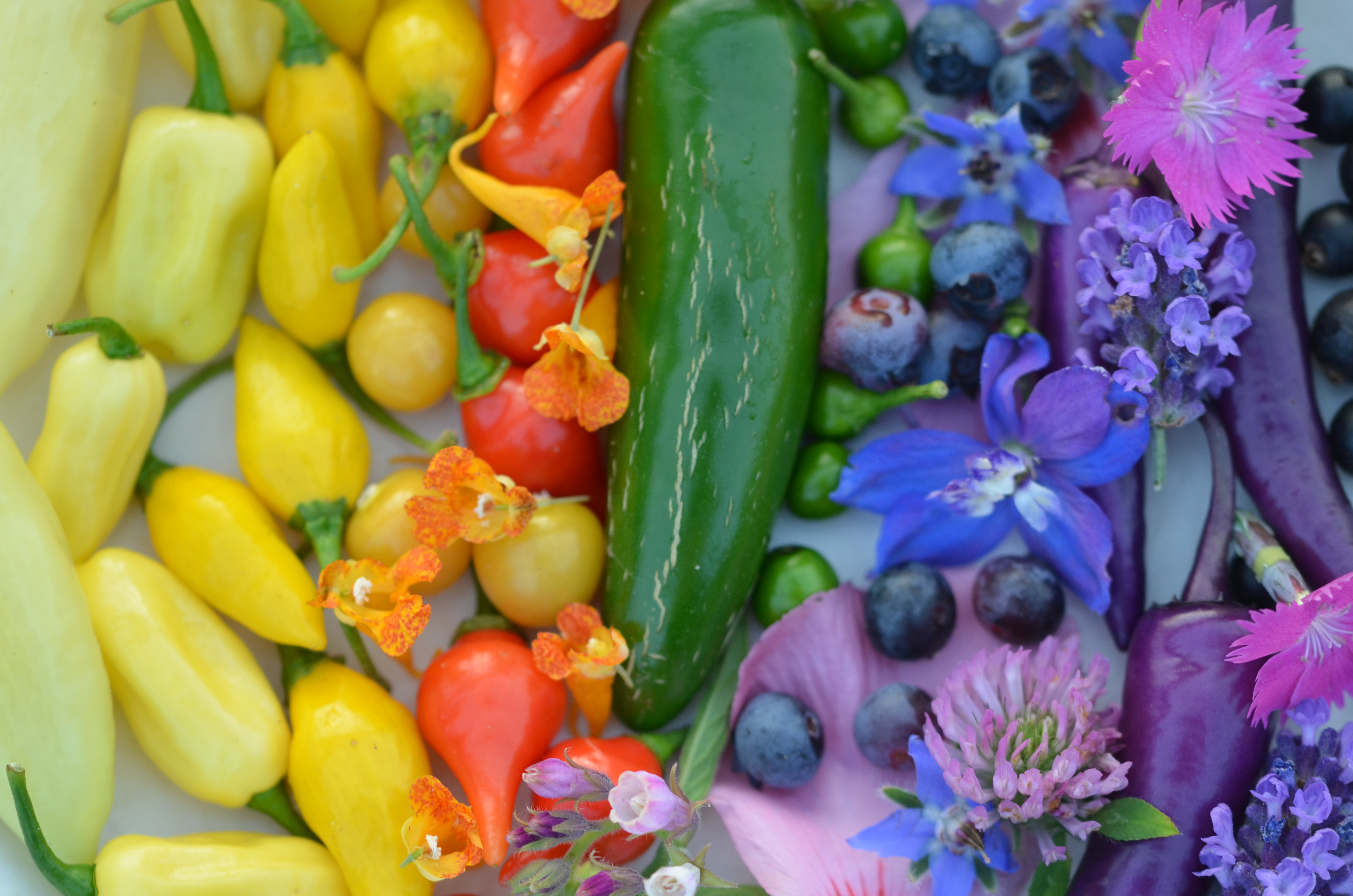
Not only does gardening invite one to be grateful and have a connection with their food, is also offers many opportunities for creative artistic expression. One can create a garden space that offers both poetry for the senses (in the forms of colors, aromas, forms, flavors and textures) as well as nourishment for the body.
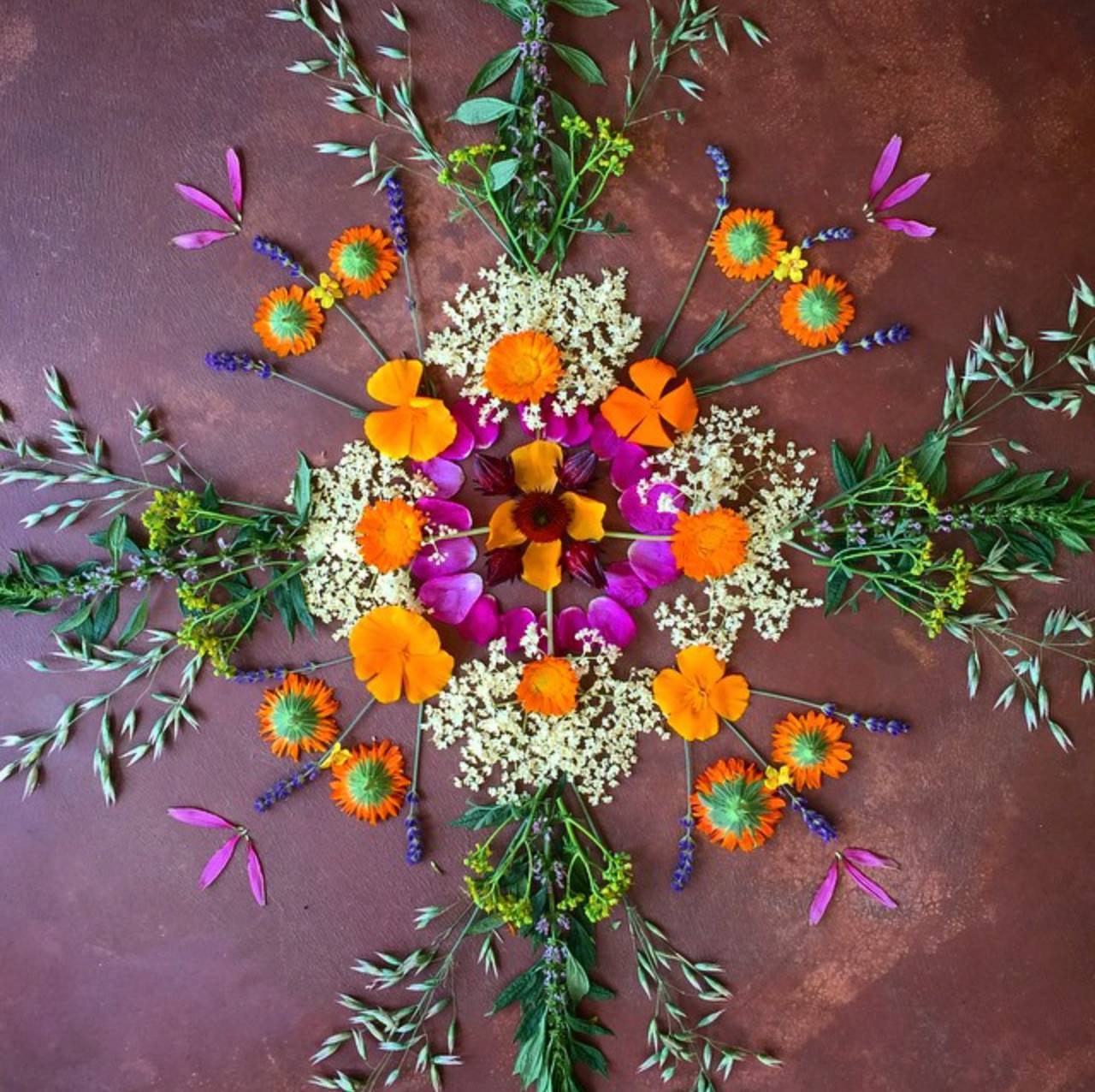
Thus, gardening translates into inspiration in the kitchen and in life in general. It invites our imagination to see beyond the limitations of previous ways of thinking and combine what it in our heart with what is in our head.
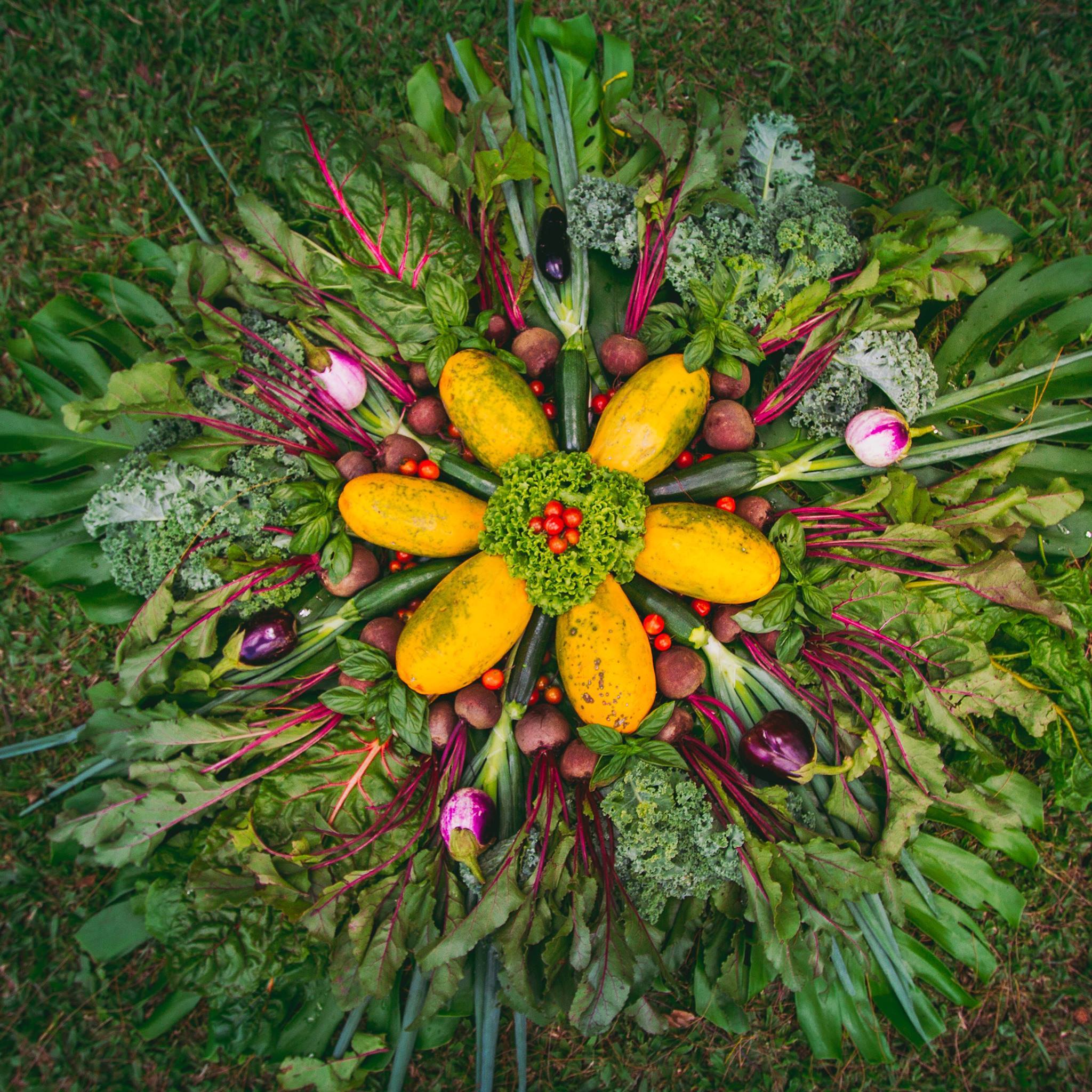
21. Regenerative Gardens Provide Habitat and Sustenance For Wildlife:
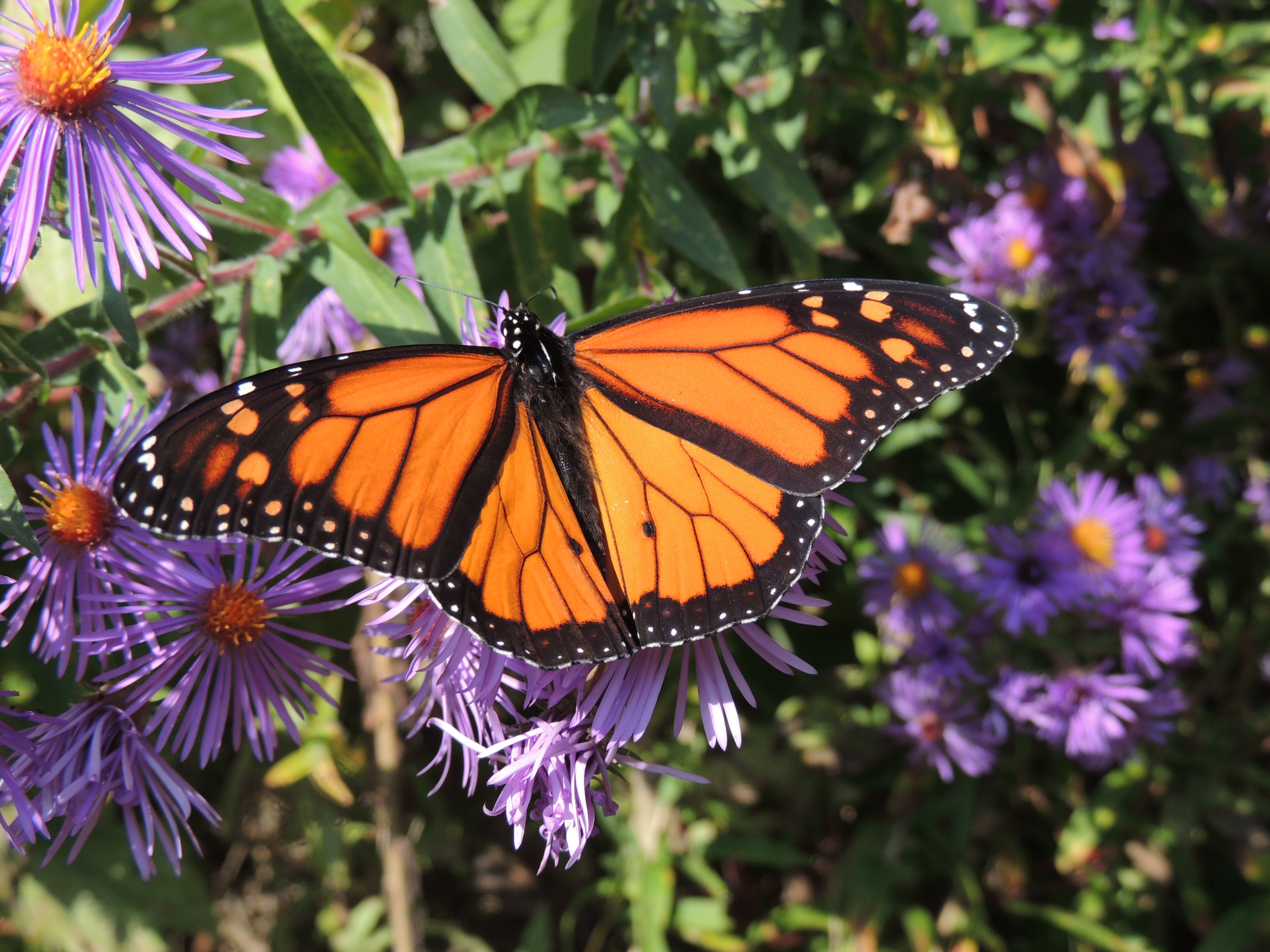
Bees are not the only non-humans that benefit from the presence of a garden. Other pollinators and garden visitors will find sustenance, shelter and opportunities for socializing in your garden space.
(below are some pics of regular visitors to our garden)
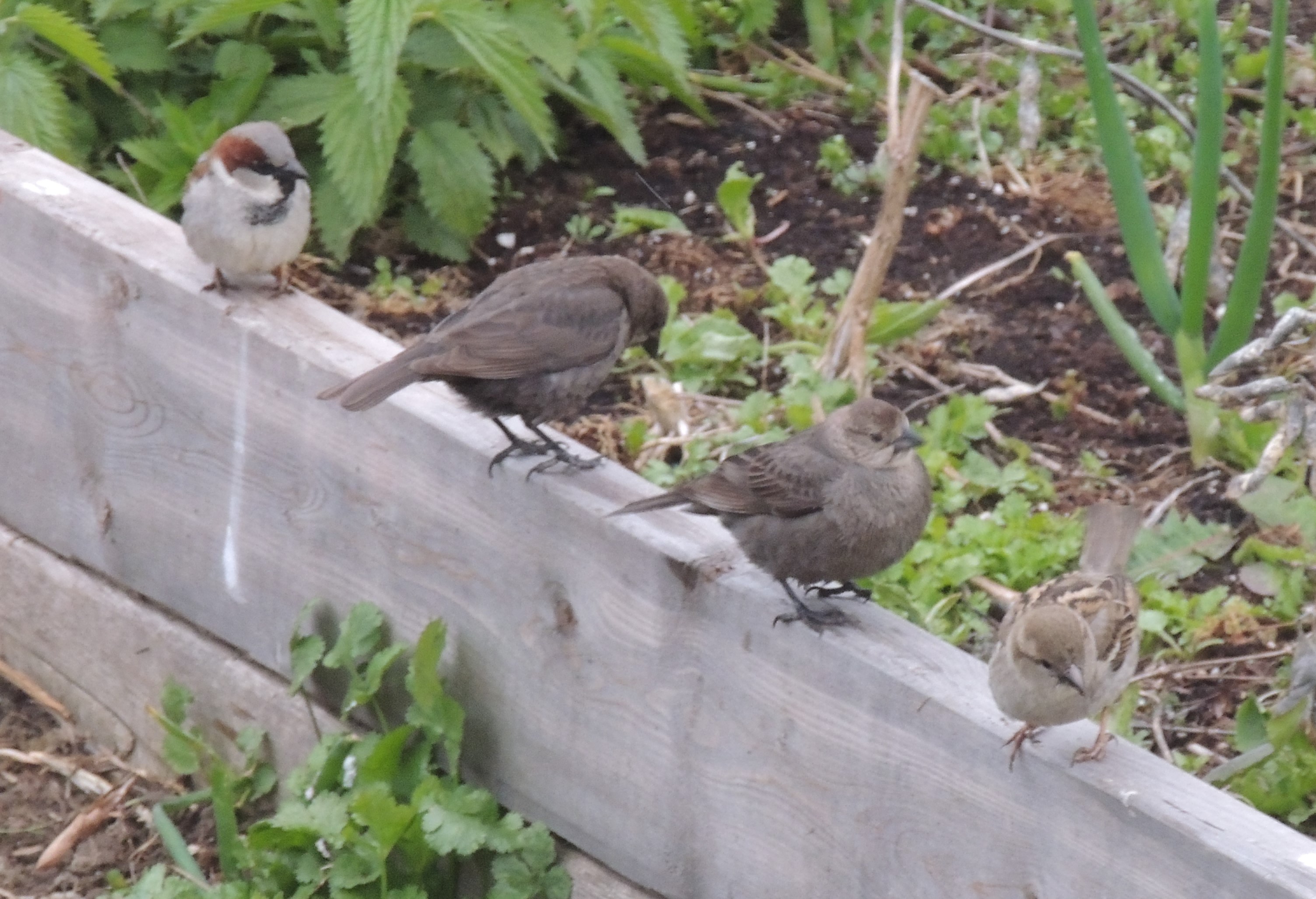
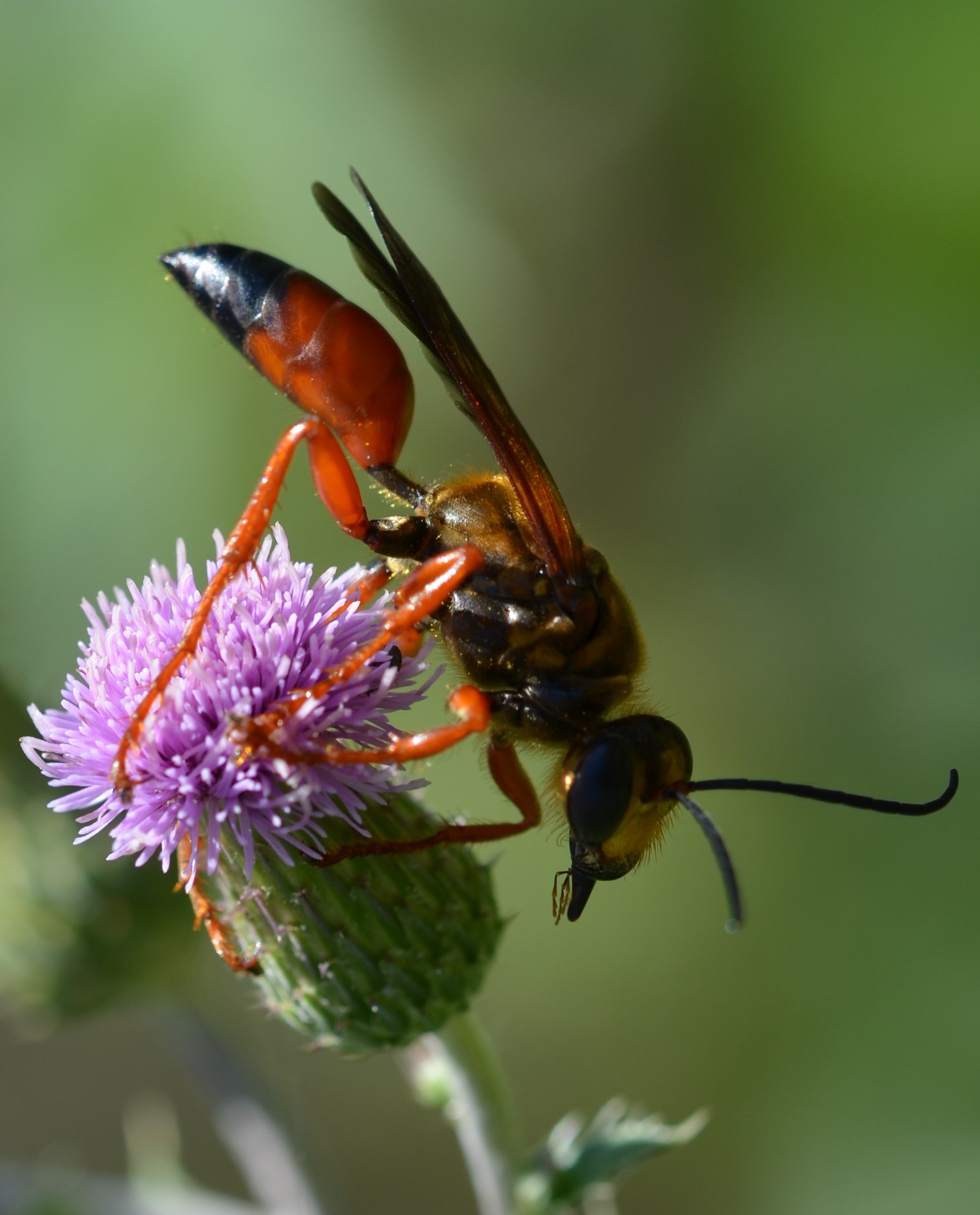
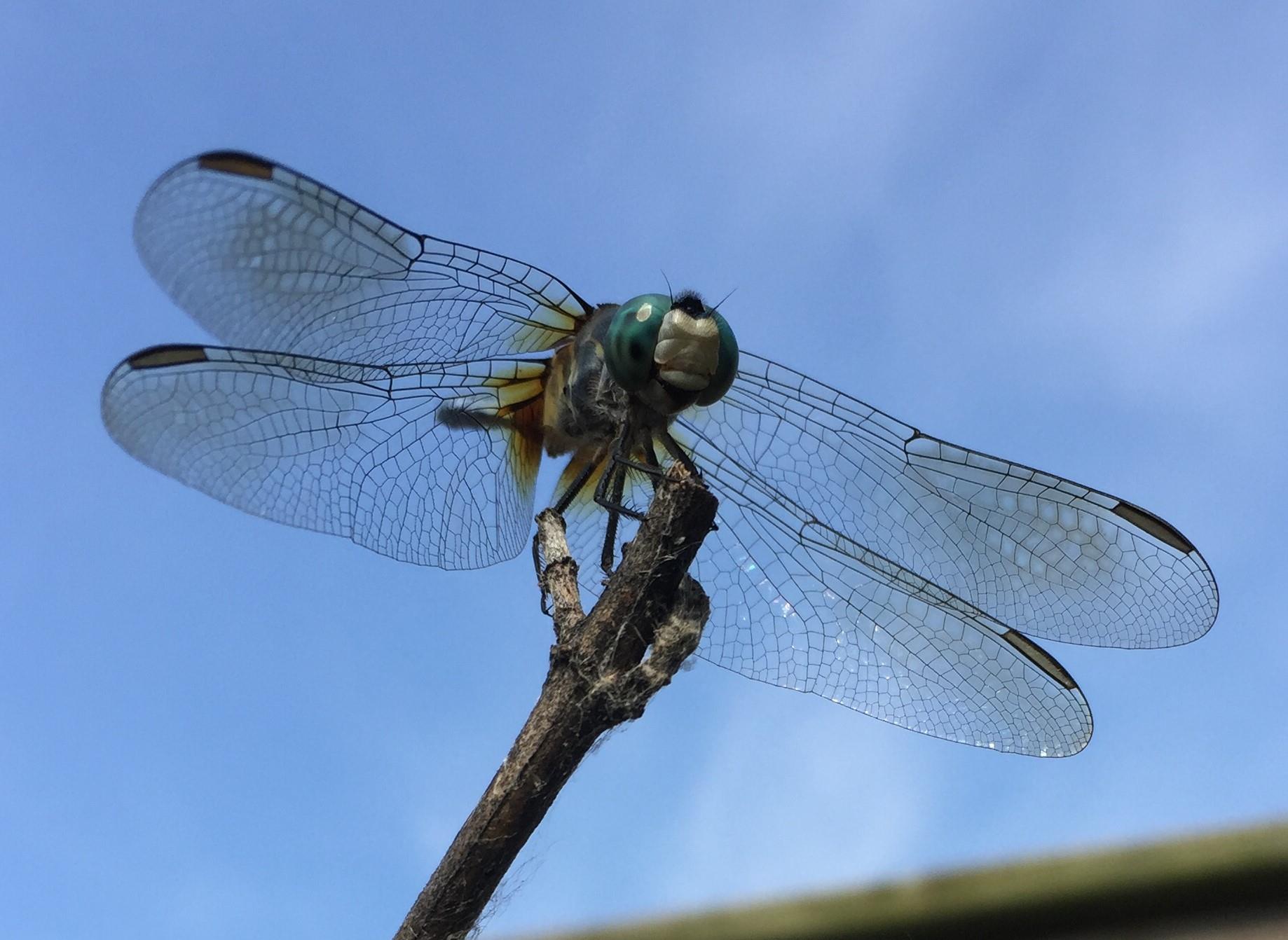
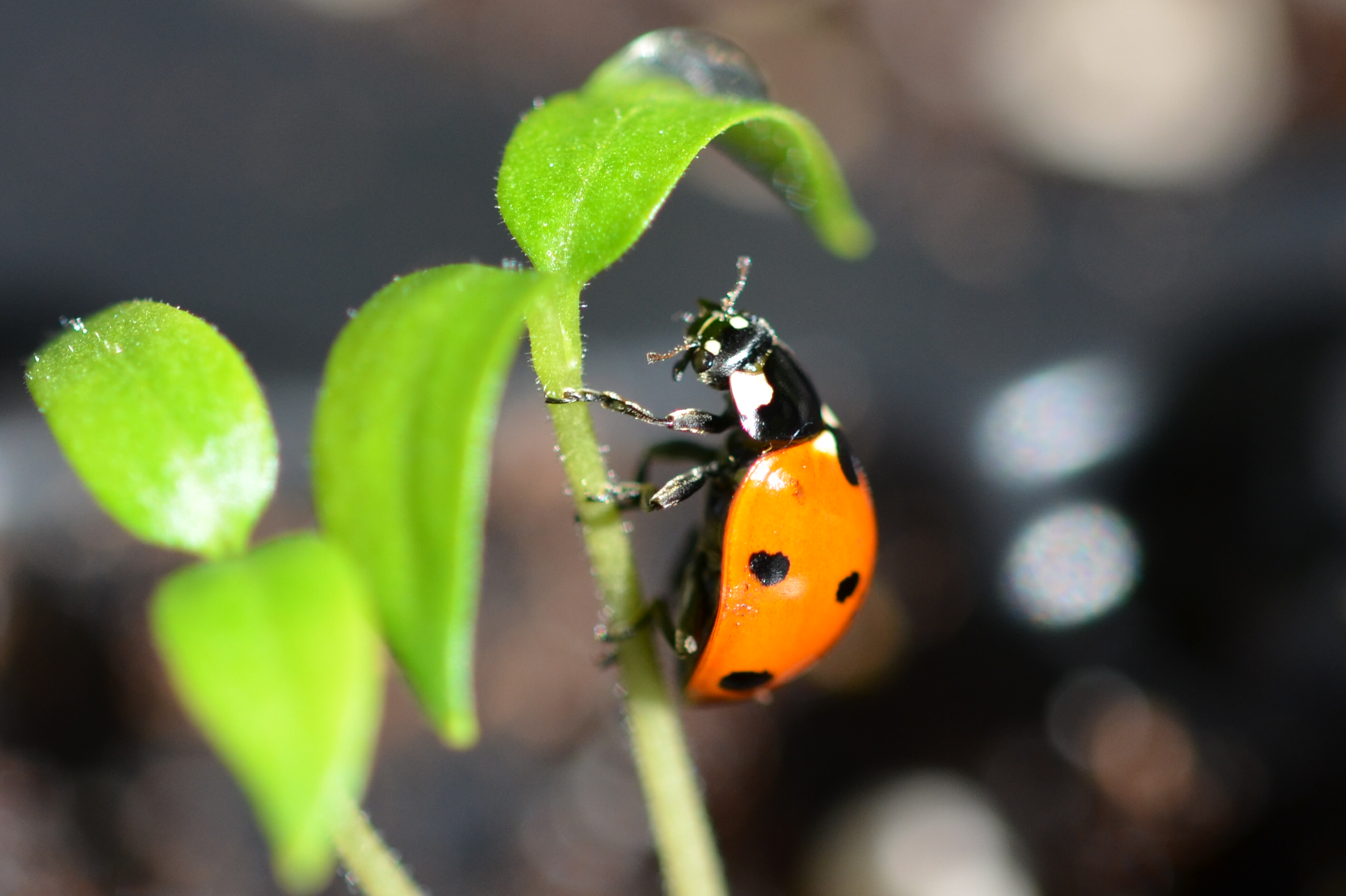


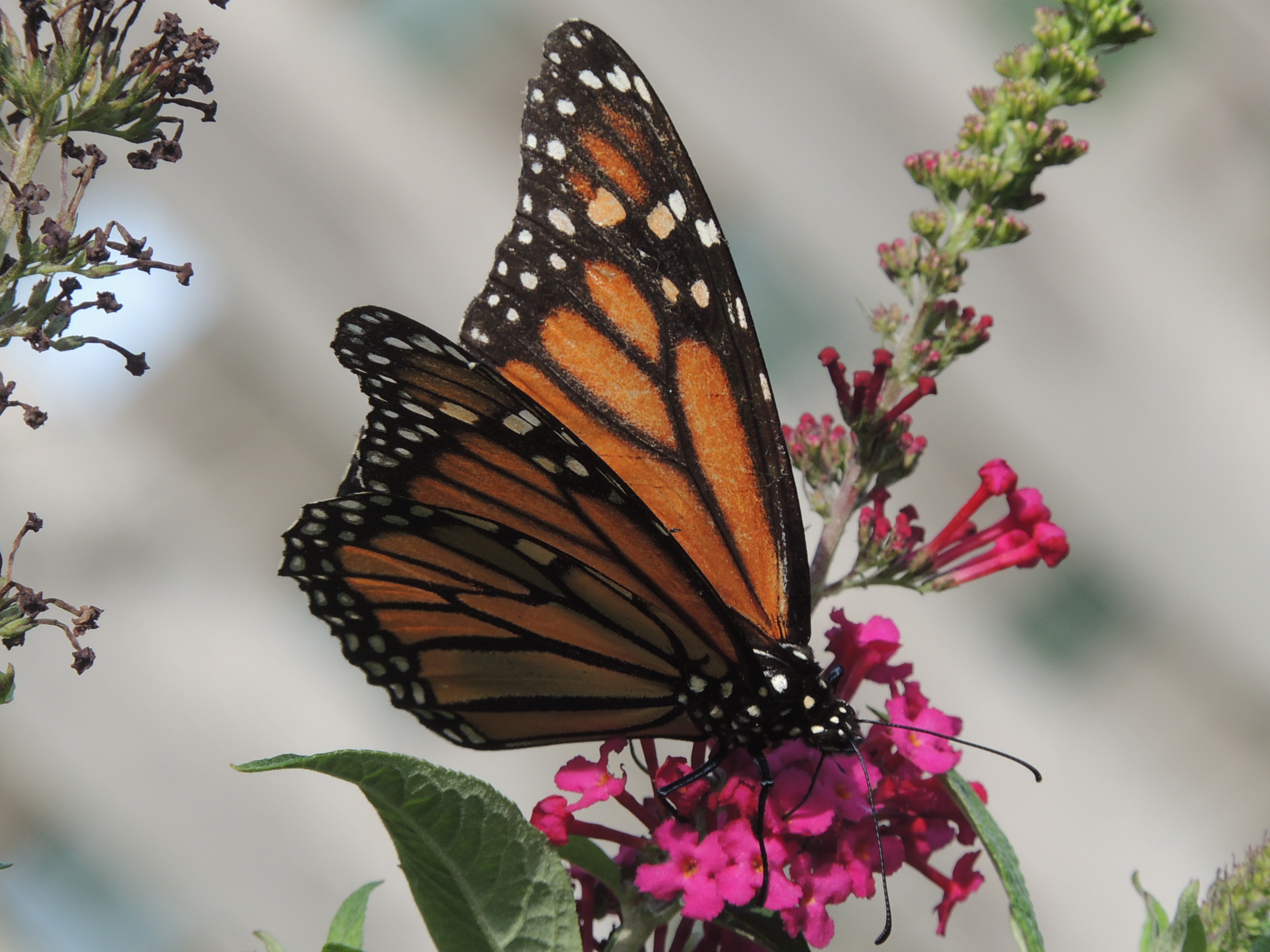
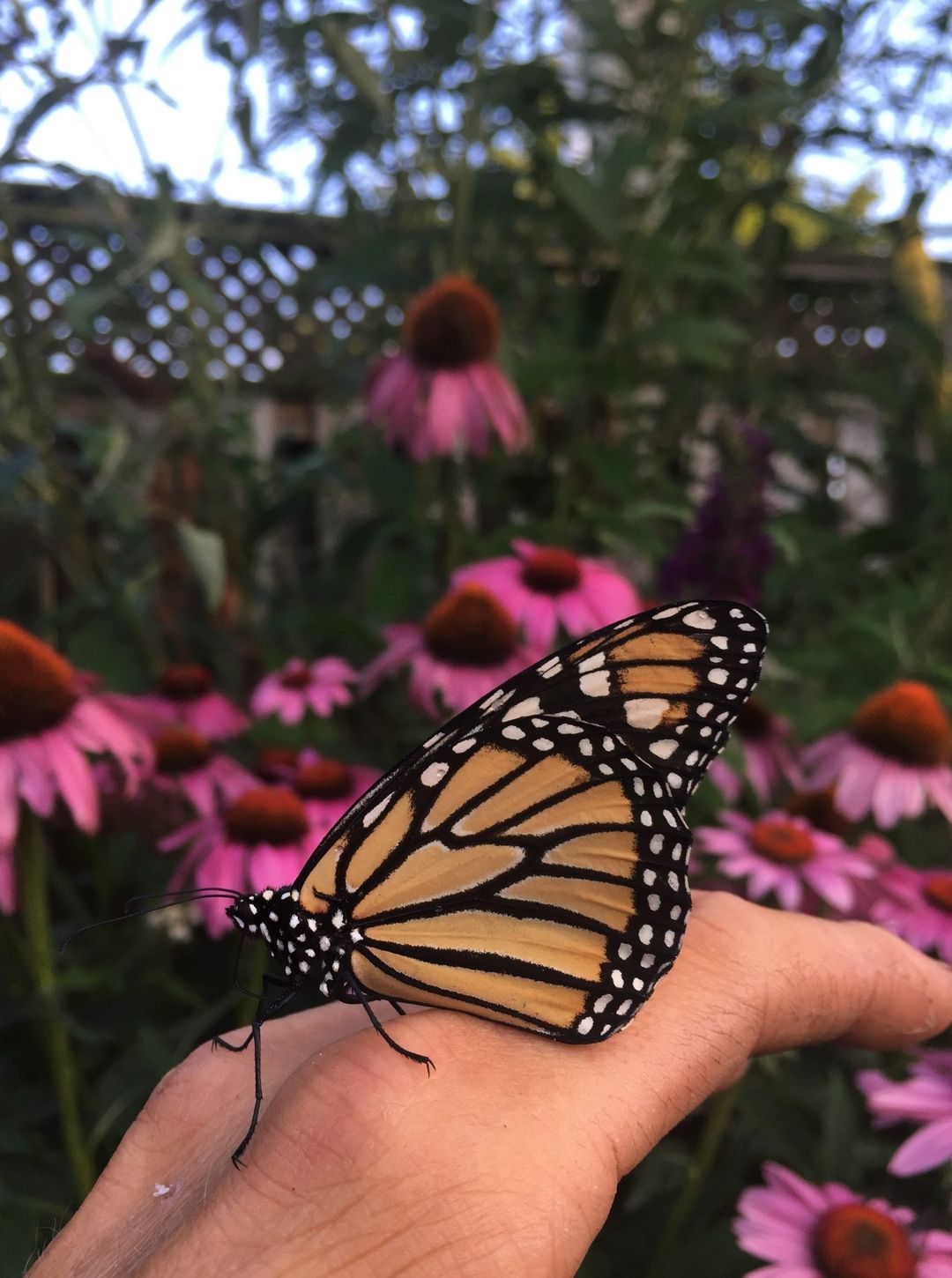
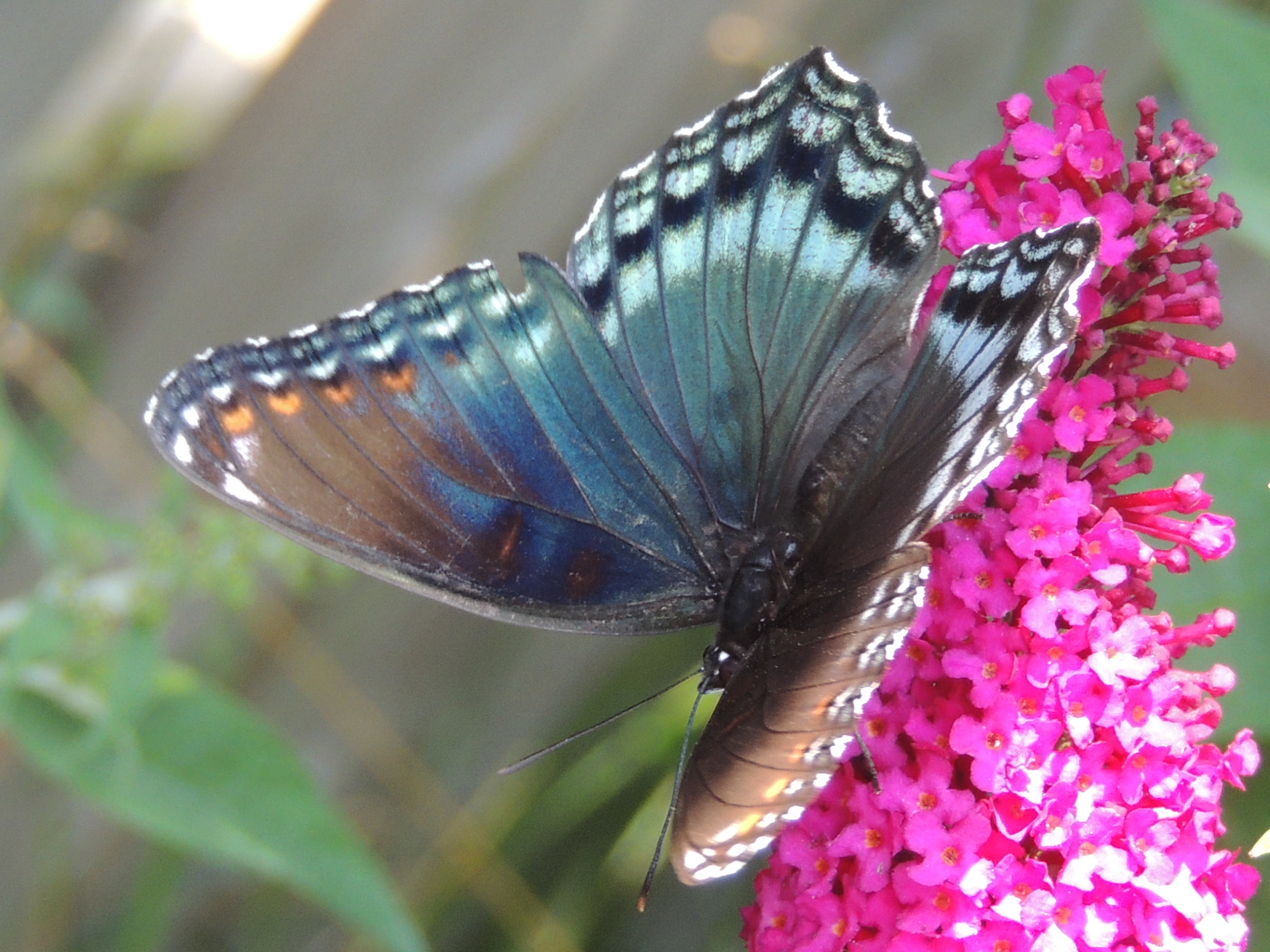
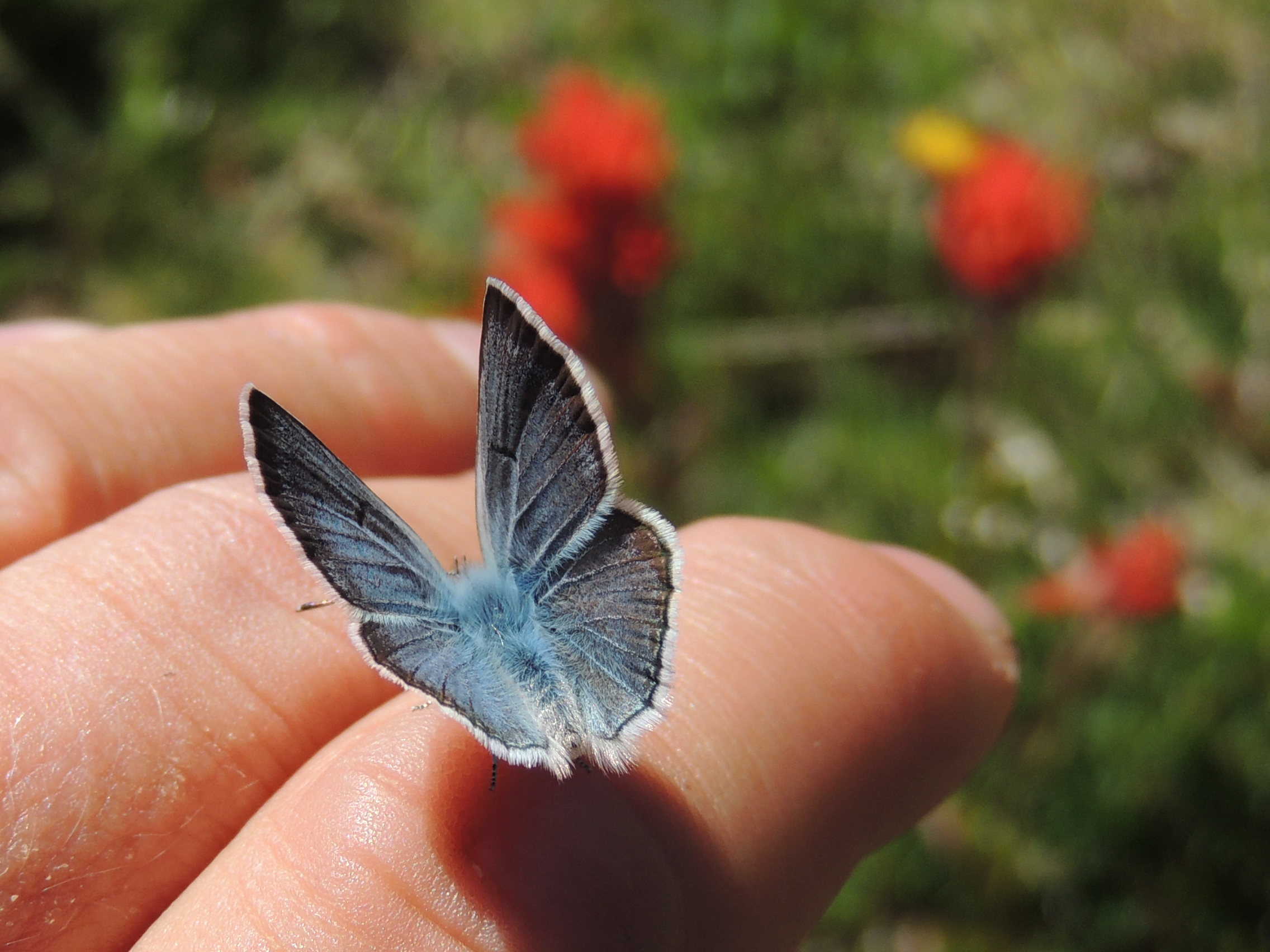
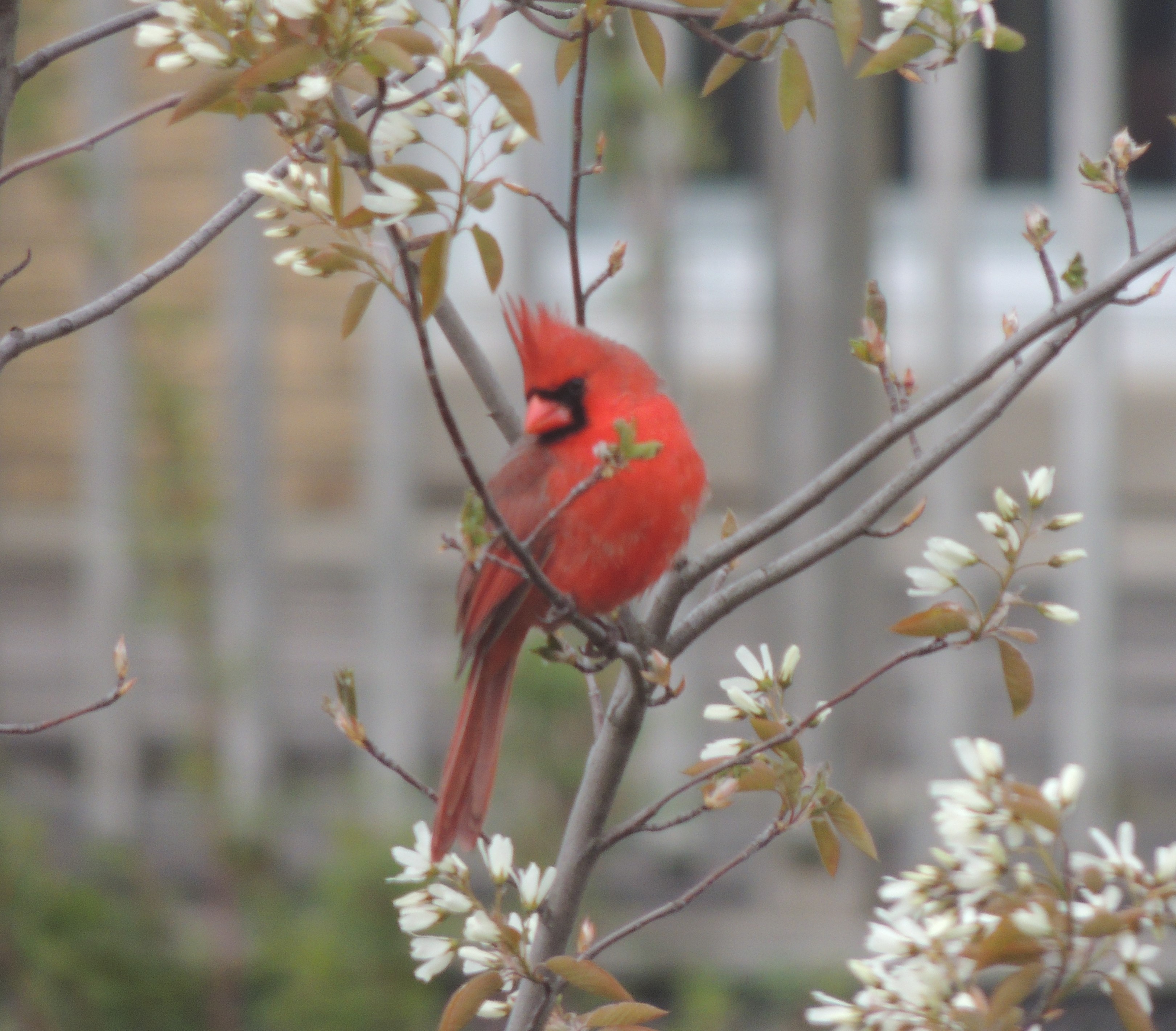
Creating a garden invites many winged beings and others to visit, bringing life, color and joy into your life.
22. Gardening invites you to develop your pattern recognition skills offers one an opportunity to gather valuable knowledge via practicing autodidacticism
When you really think about it, plants, fungi, microbiology (even rocks) are ancient libraries in which the history of millions of years are inscribed. When we observe the geometry of the leaf of a plant we are observing a mechanism for not only transforming/gathering energy but also moving water against the force of gravity in an extremely efficient way. We are also observing the architecture of a self-healing structure that is resilient and flexible in the face of wind, water, cold and heat. These facets of a single plant leaf (and more) are the result of millions of years of trial and error as nature experimented with what works and what does not, finding equilibrium after eons but never the less always continuing to adapt and evolve.
I feel we have much to learn from these ancient libraries of the living world and this is especially true when one closely obverses the interdependent/symbiotic relationships that exists in nature between the plants, fungi, microbiology (and yes even rocks too).
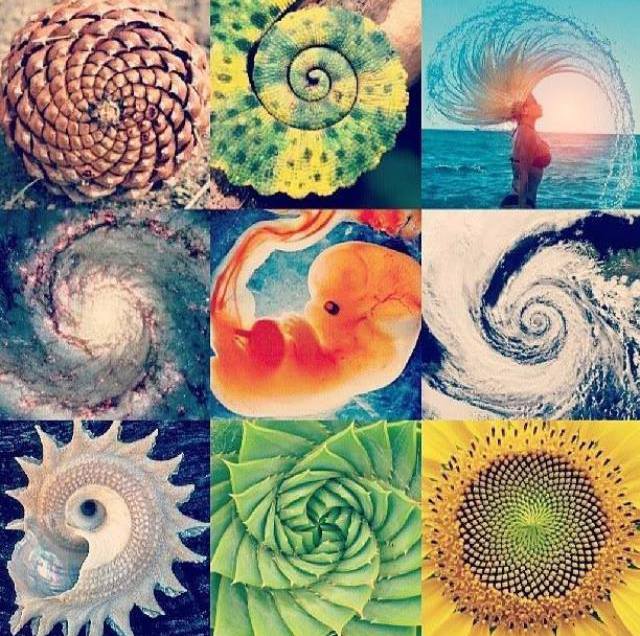
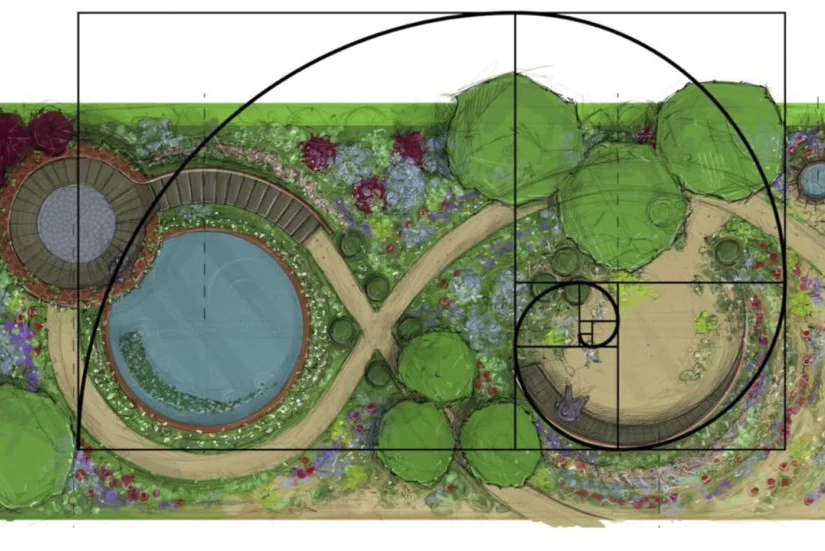
Thus, gardening invites us to walk an enriching path of autodidacticism (seeing nature as our teacher). This can be described as “self-learning” and “self improvement” since we are of course part of nature and the community of life that calls this planet home.
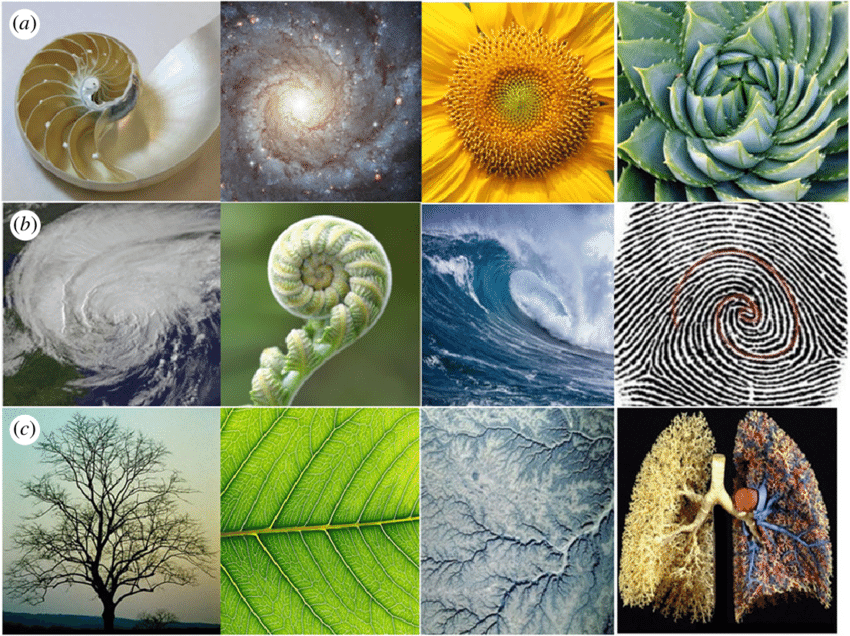
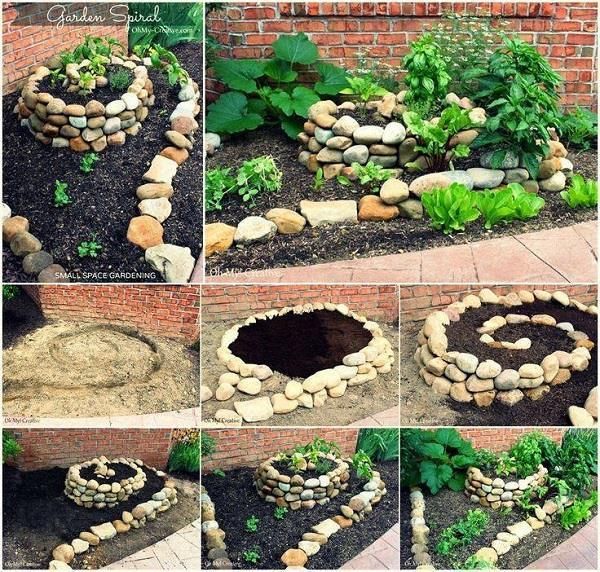
Each time we look closely in the garden (or forest) with an open heart/mind Mother Nature is gently reminding us that we do not need massive expensive hot fusion machines, burning fuel or smashing atoms together to extract usable energy or move our vehicles around. If we take a look in the forest or the garden we can clearly see more efficient ways for (via biomimicry) for accessing energy (in a decentralized and scalable format) and propelling objects without the need for combusting anything.
Ralph Ring was a man that went down that path. He worked with Otis t. Carr (Protege of Nikola Tesla) to align with the forces of nature in order to create a ground breaking new form of propulsion / energy generation technology. Their method involved harmonic resonance and tapping into what scientists now call “the zero point field”. This is yet another method in which “mass cancellation” (commonly referred to as “anti-gravity”) can be achieved in a controlled, reproducible, scalable and practically applicable way.
He began his journey to create ground breaking technologies through simply observing a bumblebee.
23. Food for the Soul:
When we take time to nurture things that grow with gentleness and patience we not only provide nourishment for our bodies, we provide nourishment for the soul. As we become more accustomed to the rhythms of nature and natural cycles in the garden we reconnect to the most innate essence of “Self” and (if embraced with humility) we are offered the opportunity to remember who and what we really are beneath all the conditioning we have received in our lives.
When we help living things to thrive and achieve their highest potential, we also enrich ourselves in a meaningful and permanent way. This life affirming experience invokes a conscious awareness of the miracle of life. It helps us to feel the awe and curiosity we felt naturally as children observing facets of nature.
The sickness of the mind that is greed and lust for power (that we observe around us in all the dominant institutions in modern industrial civilization today) are symptoms of a society of humans who have forgotten who and what they truly are.
Unfortunately, our modern materialistic and fallacious scientific paradigm which teaches that we are molecular machines (that through biochemical electromagnetic functions produce consciousness and self-awareness) created by nothing more than a rare cosmic accident, is one of the main sources for the toxic behavior on earth. As long as people inaccurately view their consciousness as nothing more than a phenomenon produced by their biology, they will live in fear of the perceived finality of death (a misunderstood process). This fear of death leads them to be motivated by primal (ego rooted) desires, including seeking out many unhealthy distractions such as a lust for material wealth, transhumanist delusions of digital ‘immortality’ and seeking to garner power to control others.
Thus, while the need for regeneration of the biosphere around us is indeed dire, the need for regeneration and exploration of our inner realms is even more dire. This path we embark upon inwardly need not be defined nor limited by existing ideologies or dogmatic belief systems, the important thing is that the path is embarked upon with genuine humility, open heartedness, courage and in stillness and with a genuine intent to connect with the Creator of all things.
Making the choice to go inward and allow God and our eternal spirit to take the driver’s seat is the single most profoundly beneficial and meaningful action one can take to experience a fulfilling life on earth. For not only does inward stillness, exploration and coming to know your eternal self inevitably invoke beautiful realizations, remembering and knowledge, it helps one to attain a kind of lasting inner peace, joy, and knowing not attainable through any amount of outside stimuli, whether that stimuli be “education”, religious institutionalized teachings, material wealth, or even intimate connections with other humans. From this perspective we can move forward not purely for the sake of a benefit to ourselves as individuals, but towards a new path where the evolutionary process is consciously determined from within each of us to enrich the collective of which we are an intrinsic part. The transformation begins with each one individual, inside out… it is a path of unlearning, a path of deep remembering and a path that requires courage of the heart.
Giving our time, observation, appreciation and reverence in the garden is a powerful window to open up these ways of knowing.
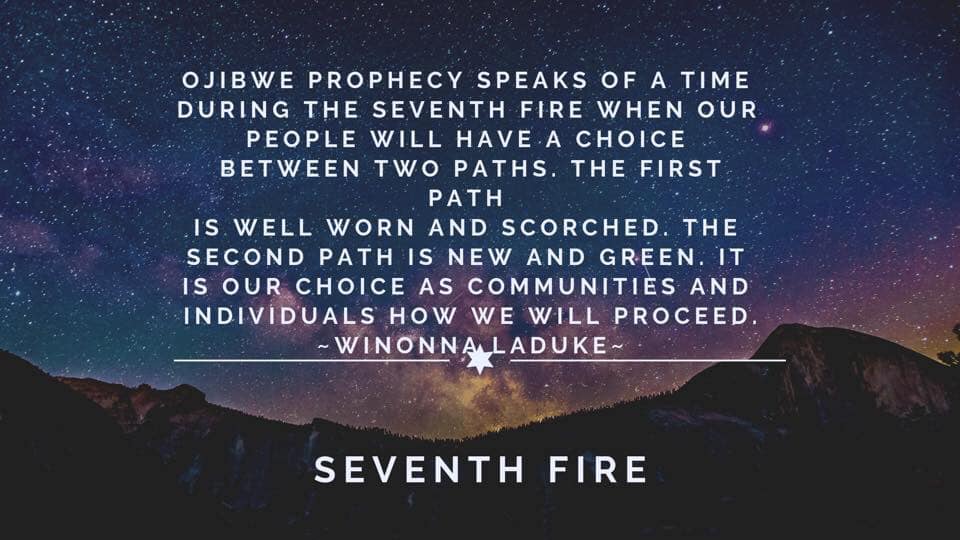
The decision to continue on the ‘worn and scorched path’ (following the momentum of our modern day society that has a parasitic relationship with Mother Earth) is the path the Roman Empire took. Doing nothing is a choice, and it should also be said that even beginning by planting a single seed and caring for what grows is a choice as well .. what path we take from here is up to each of us.
Mother Earth lovingly holds out an open hand inviting us to reconnect with her symbiotically and live in abundance... it is up to each of us to choose whether we will take her hand.. or choose inaction.
To invest all our time and energy to take from nature to accumulate money and put it in a bank is to invest in a human creation based in the fear of lack; to invest in the Earth (with our hands and our hearts through nurturing a garden) is to invest in a blessing from Creator. When we choose to plant seeds and work with the earth we are choosing to invest in true abundance rather than the fear of lack. In nurturing and co-creating with Mother Earth we are giving thanks for the gift we have been given, a home, a sanctuary, a living planet that provides everything we need to live in joy, abundance and peace. All it takes is a hand full of seeds and a lot of TLC.
Another opportunity that is offered to nurture the soul when we choose to garden is that we are gifted moments in which we can choose to develop our ability to be mindful.
In consciously changing how we perceive each moment (whether we are planting seeds, making compost, weeding the garden or washing the dishes), we consciously change the structure of our brain, the bio-chemical make up of our body and even how our genes are expressed.
Therefore, we are each offered the opportunity to embark on a path to physiological and spiritual metamorphosis and all that is required to unlock that path to transformation is a conscious choice within in each moment.
Through that choice, we plant the seeds within to become the change we wish to see in the world around us. As those seeds take hold and set down roots within us (and we are living from that place of feeling and knowing the miracle of life in each moment) we can begin to plant physical seeds in our gardens and communities with a new found sense of purpose, joy and ability to appreciate all the abundance of beauty around us during our journey to co-create the more beautiful world our heart’s know is possible.
Even if we start small, if we start down the path to break from dependence on the centralized parasitic systems for our basic needs we are helping to plant the seeds for a new kind of civilization to blossom on earth.
Gratitude is one of the most important states of being and perspectives we can choose in our time on Earth, for it serves to reacquaint us with the permanent essence of “Self” that was before we came into these bodies (and will continue to be long after these bodies we inhabit cease to function).
When we nurture things to grow and pay attention to the details of the miracle that is life we can’t help but begin to see each day as an opportunity to be part of co-creating and experiencing wondrous things; working in the garden we are often gifted moments where we see that even in the most seemingly monotonous task is the opportunity to see immense beauty, look inward to better ourselves, and choose to embody love and peace (despite what others around us may be choosing). Gardening nurtures our gratitude to exponentially expand as we are invited to notice ‘the little things’ as we work in the garden. This conscious act of choosing gratitude and building more gratitude has a powerful syntrophic effect as it re-shapes our perspective, the energy and thoughts we put out (and this changes what people and situations we attract into our lives).
24. Nurturing Gift Economics As Medicine For Our Ailing Society
(The following is an excerpt from my book pertaining to a concept called Gift Economics which I feel offers some important perspectives and sign posts for us on the fork in the path that lies before us now)
Under our current model of fiat currency (”money” created by private central banks equaling endless debt, which is passed on from governments that borrow onto tax paying citizens) is used for the ‘propping up’ of our top heavy and hollow economy. This results in human behavior that is highly toxic, sometimes psychotic and detrimental to the environment. This is essentially a debt slavery system that promotes extreme poverty, endless war and a parasitic relationship with the ecosystems that we depend on to survive. This system is not honourable, moral, nor sustainable (and it is certainly not regenerative).
Thus, if we wish for our modern civilization to continue (and seek to leave a world worth living in for our children) we must abandon ideologies and belief systems (such as capitalism) that teach people that the acquisition of material wealth, competition rather than cooperation, and the endless commodification of aspects of nature is what we should strive for as individuals, organizations, communities and nation-states. It is impossible to cling to unnatural concepts like capitalism while simultaneously claiming to care about the future of our children, the integrity of the ecosystems and while claiming to want to help create a more sustainable, regenerative and equitable society in the here and now.
Investing our time and energy in humanocentric systems of thought is a path of stagnation which comforts our ego but does not honor the truth of what we have learned about nature in the past century, nor does it serve to unlock our true potential as human beings. Through embracing humility and reverence, rather than self importance and anthropocentrism we can lend our sentience and free will towards a meaningful path of symbiogenisis between humanity and the many other beings who call this living planet home. I feel this new and ancient path (defined by humility and symbiosis) can serve to align us with a way of living that nourishes the living world that sustains us and encourages the unfolding of ever higher expressions of human potential in the process.
I was introduced to this concept of a “Gift Economy” through an excellent book called “Sacred Economics” by Charles Eisenstein.
Here is a video where he explores these concepts recently
I will also share a quote of his now to further illuminate the nature of our current economic model so that we may be in a better place to see how we need to change it to create a better future.
“Scarcity is built into the money system. On a most obvious level, it is because of the way money is created (as interest bearing debt). When the bank lends money into existence, or the federal reserve creates money, the money comes along with a corresponding amount of debt. And the debt (because there is interest on it) is always greater than the amount of money.
‘Growth’ is another thing that is built into our money system. Basically ‘economic growth’ means that you have to find something that was once nature and then make it into a good (or something that was once part of a gift relationship) and make it into a ‘service’. You have to find something that people once got for free, or did for them selves (or for each other) and then take it away and sell it back to them somehow.”
- Charles Eisenstein
Now here is the good news! We can regenerate our communities and our economy and the garden is a great place to start. When we take time to compost our kitchen and yard waste and build living soils we are giving back to the Earth that has given so much to us. In doing so we are choosing to strengthen the living fabric on which a thriving ecosystem can be nurtured (that will also provide food for you and your loved ones, cutting down on grocery costs, reducing our dependence on and support of the above mentioned toxic industries that do so much damage to mother earth and our fellow species that call her body home).
Composting is medicine for the land and medicine for the soul. It offers us a tangible way to connect with and give back to the living planet that sustains us all. When one looks at the act of composting through a more linear or utilitarian lens it is an act that facilitates the transformation of free materials into something extremely valuable and useful for saving money on grocery and medical bills.
Through offering our hands to accelerate the natural cycles inherent in composting we involve ourselves in the sacred act of reciprocity and begin to nourish a relationship with the living Earth that results in nurturing the Gift Economy and creating True Wealth.
What is a “Gift Economy”?
Many centuries ago in a time before centralized money systems there were indigenous peoples living in connection with the land and each other. While some of these ancient peoples utilized various forms of barter and trade there are also examples of ancient cultures (from several different continents) that not only did not use money.. they apparently did not use “barter” and “trade” as a regular means of commerce either. These cultures were described as operating on a mostly “gift based economy”. The innate characteristics of this ‘gift economy’ would have been effective at mitigating manifestations and behaviors of the ego (like greed, thievery or deceit etc.) because in those tightly knit communities such behavior was easily detected and the individual responsible would have been ostracized (thereby forcing the individual to change their ways or have to fend for themselves). While there would have inevitably been those who sought self interest and greedy behavior in money-less societies.. it would seem to me that they would have a lot less motivation and rewards for doing so in such a situation.
Another way to look at a manifestation of a “gift” based economy is the system of exchange between organisms that takes place in the soil of a mature eco-system. You could describe it as a “soil-stock market” (in which many different individuals make deposits and invest their time and energy and then at some point they are gifted a return on their investment in the form of nutritious food). The soil is a nexus for a constant exchange of the gifts offered by countless species that all do their part to give to the living soil. The cycle of gifts continues as the living soil offers its gifts to the plants and fungi which in turn offer their gifts of nourishment to countless species that in turn deposit nutrients back into the soil to complete the cycle of gifts. Mature eco-systems are so resilient and productive because they are nurtured by myriad cycles of gifts that flow between the species that call that place home. Each being offers it’s own unique gift and in some way contributes to the health of the collective.
The institutions and social structures that are common in modern day society seem to be based on domination, competition, and egotism and not on nurturing. The shift in perspective offered here is to review everything in terms of nurturing, or to phrase it another way, in terms of gift giving. The thread of gift giving and receiving begins in every life in the biological and emotional needs provided by mothers. We are born into a world and showered with gifts.. love, attention, nourishment and beauty all around us. As time goes on in the individual life and in the existence of institutions and social structures, this thread is altered, turned back upon itself, we are programmed to compete, and our innocence and giving nature is used and abused for domination. Rather than a free flowing cycle of gifts, our modern day society operates on “Exchange”. This requires quantification and measurement, an equation between what is given and what is received to the satisfaction of both parties.
Exchange is at odds with gift giving. The competition which is characteristic of Capitalism pushes the exchange way against the gift way.
Even the way most people go about perceiving and engaging in romantic relationships is now often based upon exchange (rather than gift giving). I have spoken with many who described the reason they got married being related to financial security (not their want to share their love with the other).
Giving in order to receive - exchange - is ego-oriented. It is the satisfaction of one’s own need that is the purpose of the transaction. Giving to satisfy another’s need is other-oriented. These two motivations constitute the basis of two logics, one of which is intransitive (exchange), the other of which is transitive (gift giving).
Exchange creates and requires scarcity. If everyone were giving to everyone else, there would be no need to exchange. The market needs scarcity to maintain the level of prices. In fact when there is an abundance of products scarcity is often created on purpose. An example of this is the plowing under of ‘overabundant’ crops (which may happen even when people are standing by who are hungry). On a larger scale scarcity is created 1. by the channeling of wealth into the hands of the few who then have power over the many; 2. by spending on armaments and monuments which have no nurturing value but only serve for destruction and display of power; and 3. by privatizing or depleting the environment so that the gifts of nature are unavailable to the many. The exchange paradigm (which includes concepts like “capitalism” and it’s ugly offspring “consumerism”) is a belief system which validates this kind of behavior. Exchange is adversarial, each person tries to give less and get more, an attitude which creates antagonism and distance among the players. Gift giving creates and requires abundance.
Though, when we take a step back and discard all the programming we can see that almost everything from nature to the dynamics of many ancient cultures can be viewed as gift-giving in some form. We can closely observe the many facets of nature in our garden that involve cycles of gifts beings given between organisms and then imagine ways we can emulate these circles of gifts in our daily lives and even in the structure of our larger society.
What does that look like for humans in the context of modern day society?
When we engage in Reciprocity with Mother Earth (through regenerative gardening) and then pass on the gifts she shares with us (in nutritious food, knowledge and heirloom seeds) we nurture the cycle of gifts to flow and grow exponentially. In doing so, we not only increase the resilience and health of our households and communities in the present, we also ensure a brighter future for those who will call this place home after we are gone.
One of the beautiful things about investing in the Earth (through gardening and saving seed) is that we are always gifted more than we need for ourselves. Thus, an investment in the Earth compels us to share the abundance with our neighbors and the communities we are a part of.
This is one expression of what nurturing the “gift economy” and working to regenerate our local communities can look like.
Other ideas could take the form of collectives of people getting together to create community gardens and kitchens in which an abundance of food is grown and shared with each other and those in need. Each person gives a few hours of their time each week to tend the garden and in doing so everyone benefits immensely from the gifts nature provides. Taking such an endeavor a step further could involve setting up after school programs where we teach kids how to cultivate their own food, save seed from crops, and then send them home with the seeds and the knowledge so they can re-create the regenerative abundance where they live.
Another expression of a “gift based economy” is something called “Gift Circles”. These are a simple format for people to bring what they have to freely offer and to ask for what they need without direct barter or obligation. Note there is a difference between a ‘gifting circle’ and a ‘gifting scheme’ (that is really a pyramid scheme). When people gather in person or online because they are recruited and the recruiter receives money or gifts for each person recruited, that is a gifting scheme. True gifting circles can be very beneficial for all involved. They can help people save money and waste fewer resources. They exist in many cultures and communities and help build relationships within those circles. Members may or may not know each other, and they operate in a similar way: members assist each other in fulfilling wants and needs with their many resources. There are also things that have innate value that do not cost any amount of monetary currency that can be part of a gift based economy. When we operate from the heart, we have an abundance to give each other, in different ways. Think of it this way: when you give a smile or hug and someone smiles or hugs back, neither of you has less but actually more of that smile or hug. There are many facets of a gift based economy that work the same way. Knowledge is another thing that in many cases can be gifted freely (which can become part of a circle of gifts where each individuals knowledge serves to enrich the other’s and everyone benefits).
There are some excellent organizations out there dedicated to regenerating communities and nurturing the gift economy like the “Food Is Free Project”, the “Grow Free” movement and the “World Central Kitchen” initiative (and many others). The key factor here is making a conscious decision to give back to the earth through composting, planting seeds, cultivating some beautiful produce, saving seed and then imagining ways that we can invite our neighbors and fellow community members to do the same. This can mean sharing some of our garden bounty with those in need (preferably along with some seeds/seedlings so they can cultivate some of their own produce) or starting a larger scale project and inviting people to participate in cultivating.
Each of us is imbued with innate gifts that we can discover and use in a regenerative and beneficial way.. it is up to each of us to discover what those gifts are and imagine how we can align them with Reciprocity with Mother Earth, regenerating our communities and reshaping systems of monetary exchange.
“What does ‘economic growth’ actually mean? It means more consumption – and consumption of a specific kind: more consumption of goods and services that are exchanged for money. That means that if people stop caring for their own children and instead pay for childcare, the economy grows. The same if people stop cooking for themselves and purchase restaurant takeaways instead.
Economists say this is a good thing. After all, you wouldn’t pay for childcare or takeaway food if it weren’t of benefit to you, right? So, the more things people are paying for, the more benefits are being had. Besides, it is more efficient for one daycare centre to handle 30 children than for each family to do it themselves. That’s why we are all so much richer, happier and less busy than we were a generation ago. Right?
We in the richest societies have too many calories even as we starve for beautiful, fresh food; we have overly large houses but lack spaces that truly embody our individuality and connectedness; media surround us everywhere while we starve for authentic communication. We are offered entertainment every second of the day but lack the chance to play. In the ubiquitous world of money, we hunger for all that is intimate, personal and unique.
The American Dream betrayed even those who achieved it, lonely in their overtime careers and their McMansions, narcotized to the ongoing ruination of nature and culture but aching because of it, endlessly consuming and accumulating to quell the insistent voice: “I wasn’t put here on Earth to sell a product.” “I wasn’t put here on Earth to increase market share.” “I wasn’t put here on Earth to make numbers grow.“
We protest not only at our exclusion from the American Dream; we protest at its bleakness. If it cannot include everyone on Earth, every ecosystem and bioregion, every people and culture in its richness; if the wealth of one must be the debt of another; if it entails sweatshops and underclasses and fracking and all the rest of the ugliness our system has created, then we want none of it.
No one deserves to live in a world built upon the degradation of human beings, forests, waters, and the rest of our living planet. Speaking to our brethren on Wall Street: No one deserves to spend their lives playing with numbers while the world burns.
For indeed we live in a world of fundamental abundance, a world where vast quantities of food, energy, and materials go to waste. Half the world starves while the other half wastes enough to feed the first half. In the Third World and our own ghettos, people lack food, shelter, and other basic necessities and cannot afford to buy them. Meanwhile, we pour vast resources into wars, plastic junk, and innumerable other products that do not serve human happiness. Obviously, poverty is not due to a lack of productive capacity. Nor is it due to a lack of willingness to help: many people would love to feed the poor, to restore nature, and do other meaningful work but cannot because there is no money in it. Money utterly fails to connect gifts and needs.
In a context of abundance greed is silly; only in a context of scarcity is it rational. The wealthy perceive scarcity where there is none. They also worry more than anybody else about money. Could it be that money itself causes the perception of scarcity? Could it be that money, nearly synonymous with security, ironically brings the opposite? The answer to both these questions is yes. On the individual level, rich people have a lot more “invested” in their money and are less able to let go of it. (To let go easily reflects an attitude of abundance.) On the systemic level, as we shall see, scarcity is also built in to money, a direct result of the way it is created and circulated.
The task before us it to re-align money with the true expression of our gifts. What will it take to shift away from the current money system? So I think that we are going to see a series of crisis moments, each one more severe than the last. And at each crisis moment, we will have a collective choice. Do we give up the game and rejoin with the symbiotic relationships prevalent in nature to provide our basic survival needs, heal our communities, eco-system and re-shape our economy? or do we hold on even tighter to this artificially perpetuated competitive / extractive system? It is really up to us to determine at what point this wake up point will happen.”
― Charles Eisenstein
I feel we are now at one of these “crisis moments” Charles spoke of.. a choice point which offers us a pathway to healing, joy, abundance and purpose. The alternative is to hold onto this crumbling system even tighter until the next (more severe) ‘crisis moment’ comes along.
We live in times when developing a reciprocal relationship with the land where we live is of paramount importance. There is no elected official, institution, guru, priest or any other external force or individual who can do this for you. This is a path you must embark upon with courage and humility.. a path that walks in the footsteps of our ancestors. It requires us to look inward and remember those things that make us come alive. Those innate gifts we possess that we can share with the world for the benefit of all beings. It requires us to work with our hands and see with our hearts... and it begins with a handful of seeds and some tlc.
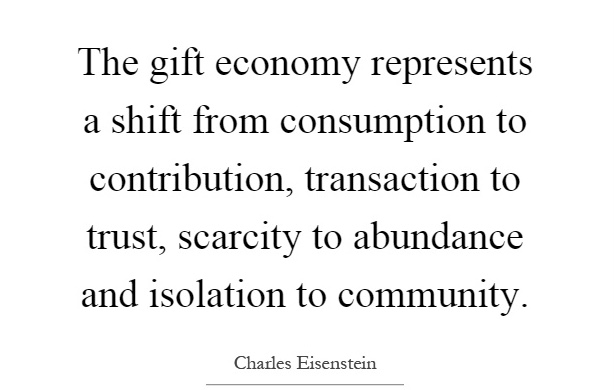
I hope you enjoy the above excerpt on the Gift Economy from my book.
In the spirit of helping any who are interested in starting (or expanding a garden) using regenerative and permaculture principles in this new year I am now offering a limited time New Year’s discount on digital and physical copies of my book.
Thus, in the spirit of the holiday season I am offering a limited time 40% discount on the digital (ebook) version of Recipes For Reciprocity : The Regenerative Way From Seed To Table and a 20% discount on physical copies of my book (from now until January 29th).
The limited time offer discount code for both is:
the gift that keeps on giving
For more on Gift Economics, read:
Embracing The Gift Economy As An Antidote For The Scarcity Economy
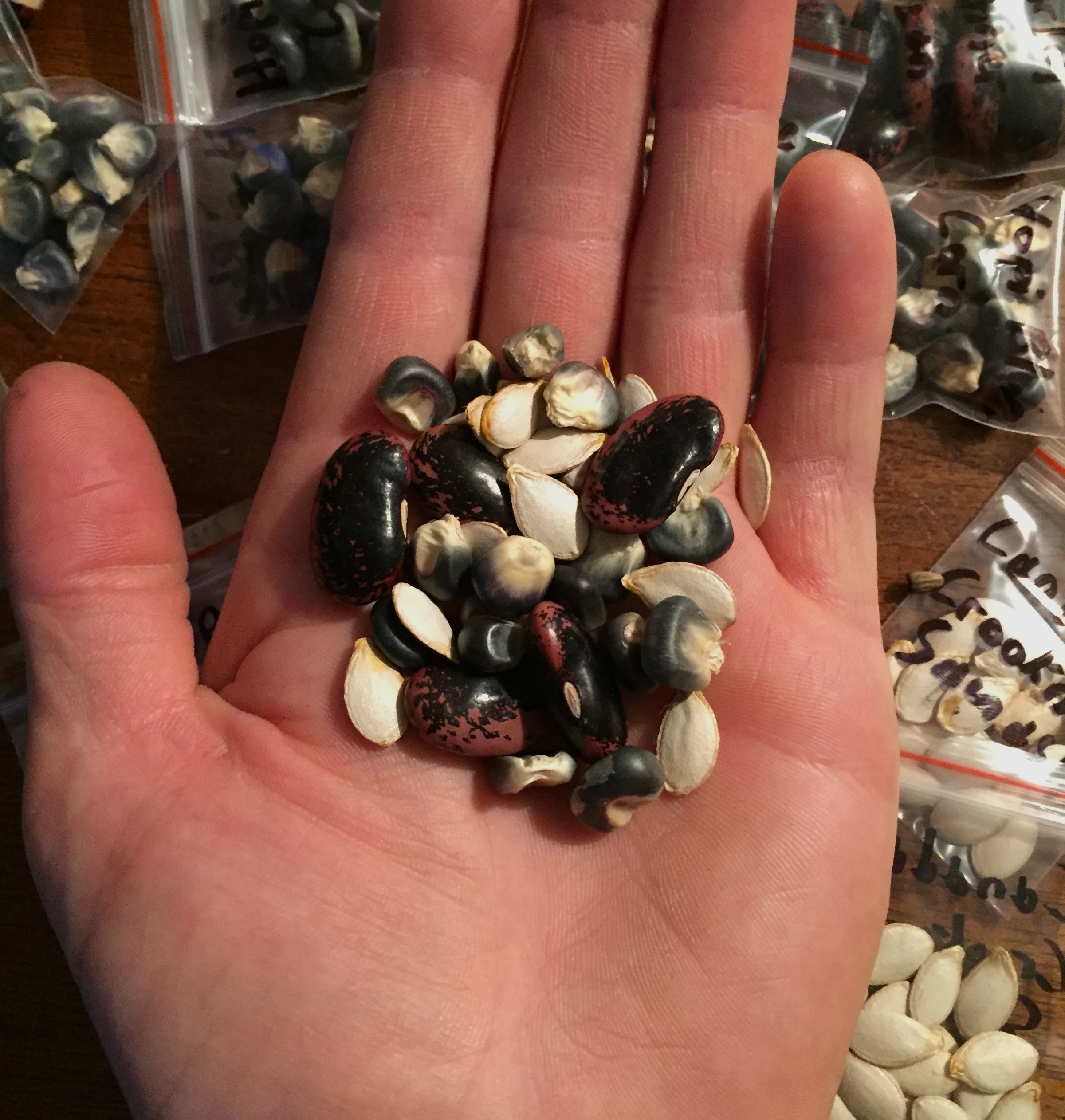
25. Creating Refugium (for both endangered ethnoecological cultural/traditions and plants)
Creating a garden offers the opportunity for us to plant the seeds for a new ethnoecologically rooted traditions as a family or as a community which provides a way to further divest from supporting statist regimes for younger ones to re-connect with the Earth, develop ecological literacy and learn important life skills.
Here is an excerpt from this Post by Dana re: the concept of Refugia:
Refugia
Refugia is a concept discussed by E. C Pielou in After the Ice Age: The Return of Life to Glaciated North America among other places. In a nutshell, refugia (also called “fuges”) are small pockets of life that were sheltered from broader happenings on the earth that destroyed a lot of other places. In terms of Pielou’s work, refugia were small pockets of life that were for various reasons from the worst of the effects of the last ice age when the rest of the lands were barren and covered in ice. These isolated pockets survived as a sheltered spot, a microclimate, a high point, and so on. When the glaciers receded and left a bare landscape devoid of topsoil or life, it was these refugia that allowed life to spread outward again, repopulating areas in North America covered by glaciers. Of course, Refugia aren’t limited to North America–they are a worldwide phenomenon, and even our human ancestors, at various points in our history, have used them to survive challenging environmental conditions.
In the Anthropocene, that is, the time of human-dominated ecological change we are currently all experiencing, things are a bit different than in glacial North America. But things are not as different as you might think. For one, the loss of biodiversity and essentially inhospitable landscape can pretty much sum up the 40,000,000 acres of lawns currently in cultivation (in the US alone), the 914,527,657 acres of conventional farmland (in the US), and the amount of concrete and houses taking up land (statistics for which I cannot find). We also have wild areas that have been subject to pillaging and resource mining–these areas are a lot less diverse than they once were. The spaces that aren’t being actively pillaged likely are recovering from pillaging (at least where I live out here) or are subject to other duress–and the few spaces that are supposedly “safe” and “protected” are constantly under threat from new bills or legislation, logging, mining, etc.. And so, we have a situation where a biological life, generally, has a lot less space to grow and thrive unhindered. As my post described earlier, we have evidence of the loss of biodiversity in a wide range of ways.
Given this, I believe that the concept of refugia is a useful one to consider–and even enact–given the circumstances that we have going on here now. A lot of us don’t have control over what is happening in the land around us, but we can work to help cultivate small spaces of intense biodiversity, spaces that preserve important plant species, then we can put more of the building blocks back into nature’s hands for the long-term healing of our lands.
Creating Refugia: Goals
We can cultivate refugia in cultivated/human-dominated spaces (like lawns, etc), or we can create them in wild spaces (forests, wild fields) that we know will be safe for some time. Today I’ll mainly be talking about cultivating refugia on a small piece of property, and at a later point, will return to cultivating refugia in wild spaces.
In the permaculture and organic gardening communities, people have been long creating spaces that are intensely planted, that may be perennial or annual in nature, but they might be doing them with different goals. Most often in permaculture practice, the goals are intensely focused on the site–the goal of bringing a degraded piece of land back into healthy production, with a range of yields, some of which are beneficial to humans, and some of which are beneficial to other life. In other words, permaculture designers often use a kind of sanctuary model. For organic farmers, they may have many of the same goals, but different (more annual) means; both may be interested in some economic benefits as well.
Working to actively create refugia can add and complement these existing goals in the sense that we are creating a protected place (physically and magically) that is richly biodiverse with the idea that this biodiversity can spread if given the opportunity (or if we spread it ourselves–you might be able to see where I’m going with this!).
I would like to suggest that each of us, as we are able, create biologically diverse refugia–small spaces, rich in diversity and life, that can help our lands “weather the storm” and a place where we can grow seeds, nuts, and roots to scatter far and wide. Or if we are already cultivating biologically diverse gardens, homesteads, sacred gardens, and the like, we add the goal of becoming refugia to our plans–and plant accordingly. I would like to suggest that we can see this not only as a physical act but as a sacred and spiritual practice. (source)
For some info on how I am applying those concepts in my young urban food forest, read:
Paw Paw (Post Preview) and Refugia Info
Paw Paw trees (Asimina Triloba) are Turtle Island’s largest indigenous fruit and this species will be the focus of a future installment of my Stacking Functions in the Garden, Food Forest and Medicine Cabinet series.
Beyond just creating physical refugium we can strive to Create Biocultural Refugia : seeding ancient wisdom in the fertile soils of modern Regenerative knowledge
Through nurturing ethnoecological ancestral seeds we can help to create the antidote to multi-generational amnesia, anthropocentrism, apathy and “plant blindness”.
Through each of us excavating the ancient Regenerative (ecologically literate, Reciprocity based, animistic and reverent) knowledge, worldviews, technologies, techniques and traditions of our ancestral past we essentially receive heirloom seeds of knowledge passed down to us by our ancestors.
Through our taking decisive action to germinate those seeds of knowledge within the substrate of a holistic vision for the future (with a foundation of modern Regenerative soil science, a culturally enriched (globally connected) information base and modern mycological science) we can accept the gifts of place based wisdom from our ancestors and give those Regenerative seeds of knowledge new found vigour, potential, anti-fragility and purpose.
Cultural refugia become supported, potentiated and enriched when they are nested within physical biological refugia. And the seeds of knowledge, traditions and vision that the cultural refugium architect seeks to preserve can only set down lasting multi-generational roots when those seeds are planted in the fertile hearts and minds of the young ones. Thus, the antidote for multigenerational amnesia, plant blindness, spiritual blindness, anthropocentrism and apathy can be synthesized through creating cultural refugium (ancient cultural seeds germinated into living practices, traditions and place based wisdom that heal our relationship with the earth) nested within physical refugium (Regenerative forest gardens where endangered ethniecologically pertinent species are given a priority in the design) can provide heirloom cultural seeds. These heirloom cultural seeds of knowledge will be enriched by the stimulus of modern knowledge and capable of taking root through educational programs that invite children to get involved and show them why those practices and ways of living will enhance their lives.
Many of us with European ancestral heritage (and/or heritage linked to the laces on earth that are considered to be the cradles of “civilization”) tend to think of the term “indigenous” as describing people of specific cultural and genetic backgrounds that are different from us based on where we currently live. In truth, indigeneity is a facet of each and everyone of our ancestral bloodlines (regardless of skin colour, genetic heritage or nationality).
The oversimplified (and often totally inaccurate) stories we are told about “hunter gatherer” cultures portray this linear (and almost classist) dichotomy between pre-agricultural cultures and post agricultural city state cultures. We get this story portrayed to us that the story of “progress” or “advancement” of humans goes from us being drooling cavemen hunting herds of animals to grain growing farmers practically overnight, but the reality is a lot more nuanced. In reality, for thousands of years prior to the existence of sedentary monoculture farming communities and involuntary government structures (such as feudal dictatorships, monarchies and nation states) there were learned groups of human beings that had spent countless generations gathering place based botanical, geological, mycological, hydrological and spiritual wisdom and they learned to apply that wisdom in the form of practical knowledge to access medicine, food, warmth, shelter, to navigate and find deeper meaning and spiritual purpose. Those groups of humans loving close to the land, developing ecological literacy with advanced botanical and mycological knowledge were ubiquitous all over the earth for thousands of years, and those people, regardless of who you are and where you live, are your indigenous ancestors.
Long before people were swearing allegiance to kings, queens and flags they were swearing allegiance to the living Earth and our revered non-human elder kin in the kingdoms of tall rooted beings, the living rivers, the lakes and the mountain peaks.
In a time of extreme deforestation, globalization, “sustainable development”, and all time low levels of ecological literacy we can use a slight shift in perspective to reframe these realities as opportunities in disguise.
Many of us live in areas that were once covered in biodiverse climax forest ecosystems only a couple centuries ago and are now mostly denuded of trees. Children born into these ecologically degraded landscapes can now often recognize more than a thousand corporate logos but can identify less than ten species of plants.
One of the many degenerative inevitable results of this widespread ecological illiteracy or “plant blindness” leads to a sort of impoverishment of the soul. Plant blindness leads to spiritual blindness. It does not matter how many times someone is brought to a building or institution designated as a place to know/connect with the divine, if one lives with plant blindness and in a place so ecologically degenerated that they can no longer walk in the Cathedrals that the Creator designed called Old Growth Forests then their ability to perceive and know the will, genius and beauty of Creator’s design is impaired and their perception of beauty skewed.
Being raised in a place devoid of the ancient majestic rooted beings that once dominated the landscape distorts peoples baseline assumptions for what a forest is influences increasingly anthropocentric, materialistic and degenerative lifepaths in humans raised there. Multi-generational amnesia results and ecological illiteracy leads to poverty of the heart and imagination.
Seeing those problems as an invitation to apply solutions that are potentiated by having a blank slate (a space that is currently in an early ecological successional state due to human disturbance) we can begin the sacred work of planting forests composed of many food and medicine bearing species so that we regenerate forest habitat while also taking action to feed human communities, offer a space for creating new place based traditions, honouring ancestral food practices and create opportunities for interactive educational programs to increase ecological literacy in the youth and offer the antidote for generational amnesia.
People like Lyla June and Marten Pritchel offer helpful sign posts for those seeking to develop a long term reciprocal and reverential relationship with the land on which one currently lives as they are people that have not only indigenous bloodlines, but both living indigenous relatives, conscious awareness of practical applications of traditional indigenous knowledge, and also European bloodlines with a conscious awareness of the ancient indigeneity of those aspects of their being and ancient ancestors (that are all to often forgotten or overlooked by many people with predominantly or solely European genetic bloodlines).
All throughout history Statist empires sought to steal the land from and impose their will upon people who had chosen to live in close connection to the land and the forest by assigning them with the dehumanizing, condescending and derisive label of being “uncivilized”/”savage”.
As Dr. Lyla June astutely points out, this was/is not only true of how the statists sought to annihilate, assimilate and pillage the cultures and lands of the diverse peoples of Turtle Island. It was also true (and is still also true) for how statist regimes have sought (and continue to seek) to do the same to other people who lived (and live) in close relationship with the living Earth all over the world.
Through our recognition of the immense wisdom embodied in something as seemingly simple as a leaf or recognizing how the tree that produced the leaf is involved in myriad symbiotic relationships that might teach us how to behave more honorably, efficiently and regeneratively as humans, we begin to be able to discern the beauty and majesty that is all around us, we begin to become capable of reading the blueprints of Creator and feeding the Holy in Nature that God imbued her with.
We can engage in this sacred process in the garden, in the forest and in our dealings with both human and non-human beings within “civilization”.
We are now called to look within to find these seeds and then merge them with a handful of physical seeds outwardly so that we can consciously initiate regenerative ethnoecologcally defined ethnogenesis through our actions in on this beautiful Earth, creating pockets of emergent placed based culture all over the planet and using our unique gifts to become the medicine that both the Earth and our human family needs so desperately.
So if the current dominant culture that we were born into is defined as exploitative, hyper-centralized, ecologically illiterate/destructive, anthropocentric, materialistic, superficial, and toxic the question we need to ask ourselves is, do I want to continue defining myself by, giving my energy to, anchoring myself to and lending momentum that culture or is it time to choose a different path?
Cultivating a regenerative garden and/or food forest refugium (to preserve both endangered species and cultural traditions) is one way we can embark on a radically different path.
What if instead of making choices that feed into and perpetuate a culture that is exploitative, hyper-centralized, superficial, anthropocentric, ecologically destructive, materialistic and toxic we took action as individuals to plant the seeds for a counter-culture that is generous, kind, decentralized, honest, courageous/heart centered, ecologically literate/reciprocal, spiritually grounded, animistic/humble and healing?
What if we each take action to move in the direction of systematic refusal to the aspects of our dominant western culture which I listed above to instead define ourselves as part of a permanent culture that has yet to be seen on the face of the Earth?
Studies related to paleoethnobotany have offered us insights into how ancient cultures defined themselves in lasting ways through how they interacted with the ecosystems that supported them. The story of the essence of their cultures were written into the living soils, the depth and breadth of which tells the tale of wise and humble people’s who lived for thousands of seasons cultivating and gathering food in a way that was reciprocal, regenerative and aligned with ecological literacy. Those peoples over time became defined regionally and genetically by others, but I would contend that the most important aspect of their culture was not where they lived or what color their skin was, but rather it was how they lived and how they gave back to the life that nourished them.
Or as Marten Pritchel puts it
“Everything in Nature ran according to its own nature; the running of grass was in its growing, the running of rivers their flowing, granite bubbled up, cooled, compressed and crumbled, birds lived, flew, sang and died, everything did what it needed to do, each simultaneously running its own race, each by living according to its own nature together, never leaving any other part of the universe behind. The world’s Holy things raced constantly together, not to win anything over the next, but to keep the entire surging diverse motion of the living world from grinding to a halt, which is why there is no end to that race; no finish line. That would be oblivion to all.
For the Indigenous Souls of all people who can still remember how to be real cultures, life is a race to be elegantly run, not a race to be competitively won. It cannot be won; it is the gift of the world’s diverse beautiful motion that must be maintained. Because human life has been give the gift of our elegant motion, whether we limp, roll, crawl, stroll, or fly, it is an obligation to engender that elegance of motion in our daily lives in service of maintaining life by moving and living as beautifully as we can. All else has, to me, the familiar taste of that domineering warlike harshness that daily tries to cover its tracks in order to camouflage the deep ruts of some old, sick, grinding, ungainly need to flee away from the elegance of our original Indigenous human souls. Our attempt to avariciously conquer or win a place where there are no problems, whether it be Heaven or a “New Democracy,” never mind if it is spiritually ugly and immorally “won” and taken from someone who is already there, has made a citifying world of people who, unconscious of it, have become our own ogreish problem to ourselves, our future, and the world. This is a problem that we cannot continue to attempt to competitively outrun by more and more effectively designed technological approaches to speed away from the past, for the specter of our own earth-wasting reality runs grinning competitively right alongside us. By developing even more effective and entertaining methods of escape that only burn up the earth, the air, animals, plants, and the deeper substance of what it should mean to be human, by competing to get ahead, we have created a brakeless competition that has outrun our innate beauty and marked out a very definite and imminent “finish” line.
Living in and on a sphere, we cannot really outrun ourselves anyway. Therefore, I say, the entire devastating and hideous state of the world and its constant wounding and wrecking of the wild, beautiful, natural, viable and small, only to keep alive an untenable cultural proceedance is truly a spiritual sickness, one that will not be cured by the efficient use of the same thinking that maintains the sickness. Nor can this overly expensive, highly funded illness be symptomatically kept at bay any longer by yet more political, environmental, or social programs.
We must as individuals and communities take the time necessary to learn how to indigenously remember what a sane, original existence for a viable people might look like.
Though there are marvellous things and amazing people doing them, both seen and unseen, these do not resemble in any way the general trend of what is going on now.
To begin remembering our Indigenous belonging on the Earth back to life we must metabolize as individuals the grief of recognition of our lost directions, digest it into a valuable spiritual compost that allows us to learn to stay put without outrunning our strange past, and get small, unarmed, brave, and beautiful.
By trying to feed the Holy in Nature the fruit of beauty from the tree of memory of our Indigenous Souls, grown in the composted failures of our past need to conquer, watered by the tears of cultural grief, we might become ancestors worth descending from and possibly grow a place of hope for a time beyond our own.”
(from: The Unlikely Peace at Cuchumaquic: The Parallel Lives of People as Plants: Keeping the Seeds Alive)
In order to see a new culture and way of living take hold and begin to become the norm we must cut our ties to the old ways and begin to live a new way. We must remember what our ancestors were wise enough to understand and forge a close knit relationship with the land we live on. The interdependence, sacred geometry, efficiency, resilience and regenerative capacity of the intact ecosystems where we live can provide us guidance on the path forward. Through emulating these living systems in the garden/farming sector and engaging in biomimicry with our technology we can create resilient systems and ways of perceiving that can provide us food, medicine and wisdom on our path to create a brighter future. And it can begin with something as simple as humility and a handful of seeds.
For more on this 26th reason to start a garden in 2026, read:
Designing Bio-cultural Refugia : seeding ancient wisdom in the fertile soils of modern Regenerative knowledge
26. Regenerative Gardening offers gateways of knowing and opportunities for direct experiences to re-member the animistic wisdom of your ancestors
We live in a time when we are being overwhelmed by a tidal wave of A.I. Slop ( Chat bot generated slop articles, pictures and videos). This synthetic stimulus made of ones and zeroes on screens is not healthy for the human mind. God designed our minds and hearts to perceive and receive stimulus from natural organic intelligence, not chatbot slop.
Gardening offers you a powerful opportunity to increase the ratio of natural (God made organic) intelligence and decrease the amount of silicon based artificial “intelligence” stimulus in our lives. Learning to perceive plants as living beings, identifying them, saving their seeds and watching how they express the genius of the Creator’s living architecture for life is one pathway to perceive that which our ancestors did through their animist worldivews.
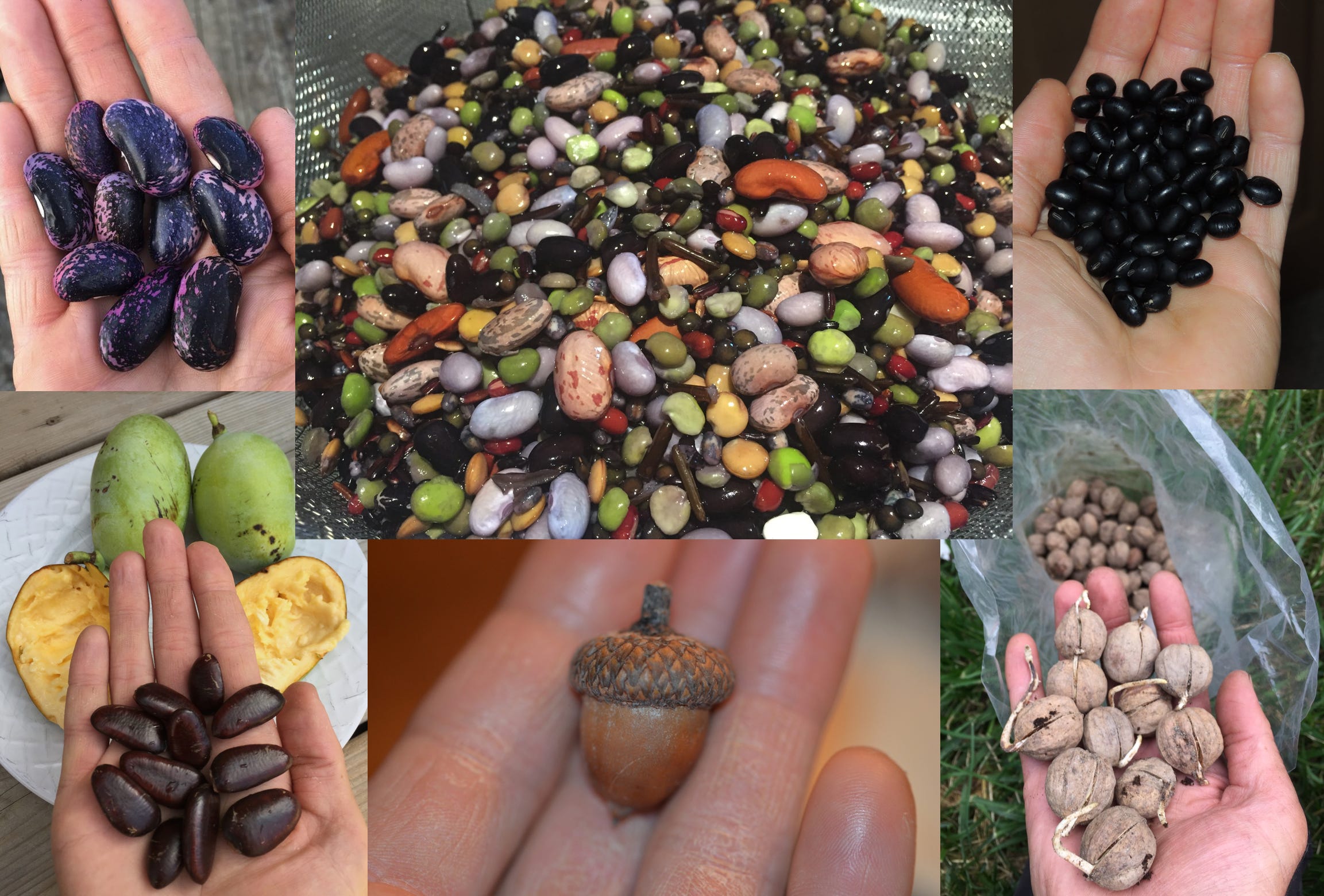
Each time you hold a seed in your hands that you have saved from your garden or the forest you are invited to remember that these are living beings. As you tend them to grow and become attuned to perceiving the energy of these plants and trees this leads to nurturing your innate awareness that plants, like people, possess a spirit and are deserving of respect. That awareness is the same animistic awareness that shaped the ethical frameworks of your own indigenous ancestors (yes we all have them) before statist regimes and imperialistic anthropocentric dogmas suppressed successive generations raised in a state of generational amnesia.
Animism does not mean doing weird rituals or worshipping plants, animals or the Earth above God, it actually means coming to know God’s will more clearly through opening up our lenses of perception to know the other forms non-human intelligence and spirit that God put on this Earth along side of us.
As you get into the rhythms of nature observing life, decay, reproduction and unique expressions and connections between beings you begin to perceive the truth that you are part of a community of not only human beings, but countless other spirited intelligences. That awareness (which was innate to you as a child) cultivates a sense of humility and awe, as you remember the truth that we are not the pinnacle of evolution or Creation as humans, but a young species with much to learn from our elders.
There was a time when we didn’t need books to understand the sacred.
We walked barefoot on the land and learned directly from the soil. We listened to the songs of rivers, the silence of snow falling in forests, and the movement of clouds across the sky. We read the flight of birds like scripture and followed the tracks of deer like sacred texts.
Everything was alive. Everything had spirit.
And we were not above it, but within it.
This is the essence of animism; not a religion, not a theory, but a way of seeing and being in the world. A deep knowing that every stone, tree, breeze, and bird carries intelligence. Carries soul. That we are not separate from this world, but in kinship with it.
Animism teaches us to live in relationships, not in domination.
-Angell Deer (from “Animism is not an idea”)
As I write my next book about regenerative agroforestry (aka food forest design) I study the models of peoples before this time that succeeded in gifting the fruits of their labors to future generations. When I look to study what allowed them to succeed and look at their methods, I find structural similarities (aligning with inherent elemental abundance and using pattern recognition to enhance communities of already resilient beings that provide food and medicine for humans) with some technical variation on methodology, however, the one through-line that is unavoidably coherent amongst all these cultures, is their animistic worldview.
The ancient living wisdom of the Earth (which is essentially the genius of Creator expressed in living systems architecture) is based on a perpetual cycle of gifts moving freely within a self-organizing, anti-fragile, symbiotically connected community of beings (which each have niche gifts that they provide to make their community increasingly resilient, biodiverse, beautiful and nourishing as a whole). It is the antithesis of the human fiat economy, as instead of hoarding, it involves giving gifts to other beings and having faith in the soundness, elegance and longevity of Creator’s design.
Take a leaf for example, each one embodies the architecture and dynamics of the larger gift economy (ecosystem) it is seamlessly embedded within. The leaf breathes in cosmic light (which is gifted freely to the Earth and countless other worlds by the beings we call “stars”, in our case, a star we call “Sol” or “The Sun”.) Through the alchemy of photosynthesis the leaf also breathes in CO-2 (which we humans and countless other beings gift freely to the plants each time we breathe). The leaf also absorbs water (which is gifted by the ocean as well as by the way of extraterrestrial sources such as meteorites in the form of water vapour, which is gathered into raindrops in clouds via the gifts of fungi and trees, which help initiate rain drop nucleation by the spores and pollen they send up to literally create rain storms). Last but not least, the leaf completes the miracle of photosynthesis through absorbing the minerals from the rich earth below (which was created through countless beings gifting biomatter and their very bodies over centuries). That leaf combines those gifts to make sugar (and a diverse range of other phytochemicals) which the plant in turn gives as a gift in the form of food. The gift of food created by the alchemy of photosynthesis (enabled by the gifts of many beings on Earth and beyond) is then gifted back to the earth (both in the manure of the being that ingested the food, and in time, via their very body which was built with that food) returning to the Earth as well, completing (and enriching) that ongoing perpetual cycle of gifts that makes up the Earth’s living economy (which is a physical expression of the genius of God’s design).
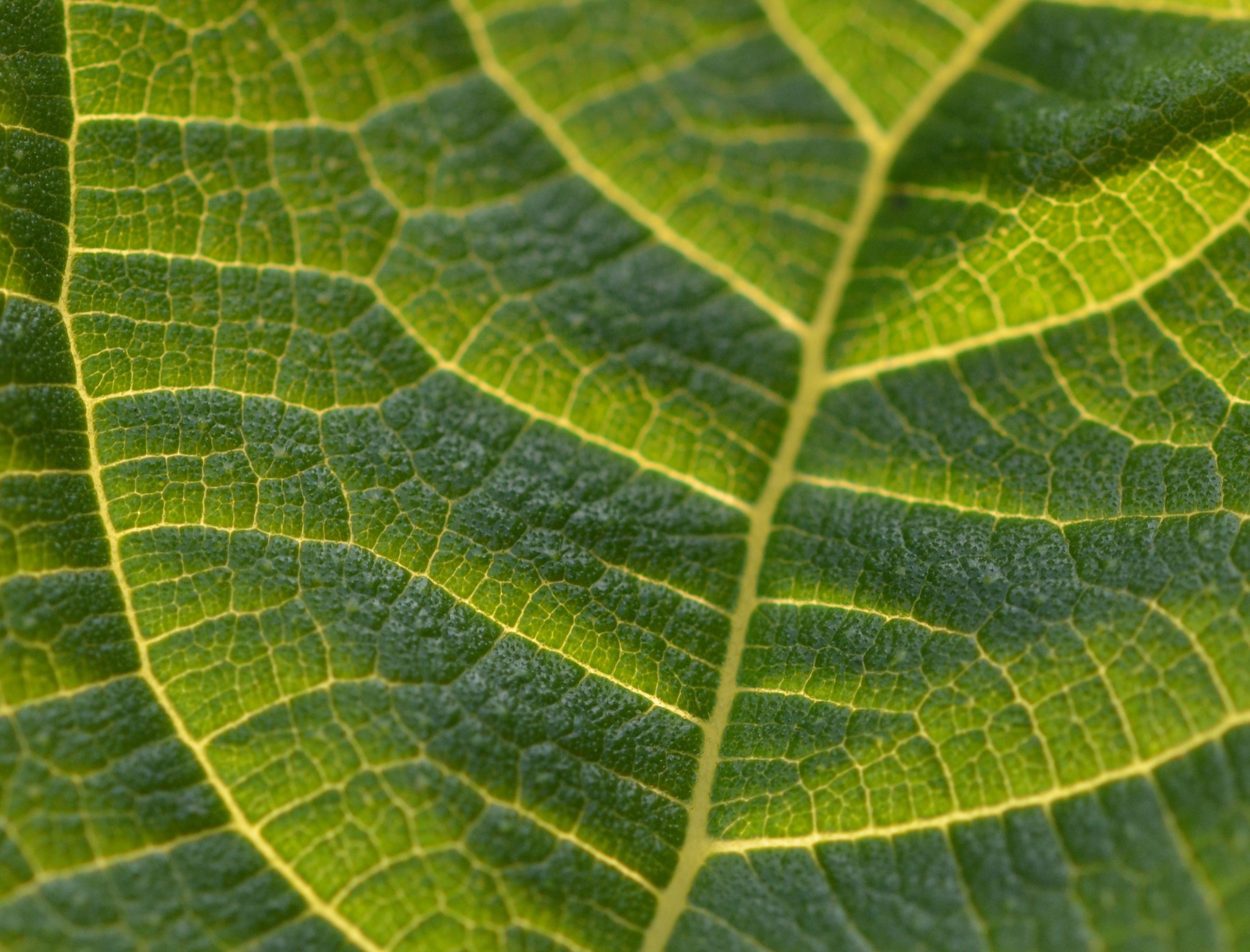
𝐖𝐡𝐞𝐧 𝐲𝐨𝐮 𝐥𝐞𝐚𝐫𝐧 𝐭𝐨 𝐮𝐧𝐝𝐞𝐫𝐬𝐭𝐚𝐧𝐝 𝐰𝐡𝐚𝐭 𝐧𝐚𝐭𝐮𝐫𝐞 𝐢𝐬 𝐜𝐨𝐦𝐦𝐮𝐧𝐢𝐜𝐚𝐭𝐢𝐧𝐠 𝐭𝐨 𝐮𝐬 𝐲𝐨𝐮 𝐚𝐫𝐞 𝐢𝐧𝐯𝐢𝐭𝐞𝐝 𝐭𝐨 𝐫𝐞𝐚𝐝 𝐚 ‘𝐬𝐜𝐫𝐢𝐩𝐭𝐮𝐫𝐞’ 𝐭𝐡𝐚𝐭 𝐢𝐬 𝐟𝐚𝐫 𝐨𝐥𝐝𝐞𝐫 𝐭𝐡𝐚𝐧 𝐚𝐥𝐥 𝐦𝐚𝐧 𝐦𝐚𝐝𝐞 𝐫𝐞𝐥𝐢𝐠𝐢𝐨𝐮𝐬 𝐭𝐞𝐱𝐭𝐬. 𝐈𝐧 𝐭𝐡𝐢𝐬 𝐚𝐧𝐜𝐢𝐞𝐧𝐭 𝐠𝐨𝐬𝐩𝐞𝐥 𝐚𝐬 𝐨𝐥𝐝 𝐚𝐬 𝐭𝐡𝐞 𝐦𝐨𝐮𝐧𝐭𝐚𝐢𝐧𝐬 𝐚𝐧𝐝 𝐚𝐬 𝐚𝐧𝐜𝐢𝐞𝐧𝐭 𝐚𝐬 𝐭𝐡𝐞 𝐬𝐞𝐚𝐬 𝐰𝐢𝐬𝐝𝐨𝐦 𝐢𝐬 𝐢𝐧𝐬𝐜𝐫𝐢𝐛𝐞𝐝 𝐰𝐡𝐢𝐜𝐡 𝐭𝐞𝐚𝐜𝐡𝐞𝐬 𝐮𝐬 𝐭𝐨 𝐥𝐢𝐯𝐞 𝐢𝐧 𝐩𝐞𝐚𝐜𝐞, 𝐚𝐛𝐮𝐧𝐝𝐚𝐧𝐜𝐞, 𝐬𝐲𝐦𝐛𝐢𝐨𝐬𝐢𝐬 𝐚𝐧𝐝 𝐡𝐚𝐫𝐦𝐨𝐧𝐲 𝐰𝐢𝐭𝐡 𝐨𝐮𝐫 𝐟𝐞𝐥𝐥𝐨𝐰 𝐛𝐞𝐢𝐧𝐠𝐬. (source)
Studying fractal geometric patterns in nature is a passion of mine. I firmly believe that when we use our pattern recognition skills to identify, observe and understand the repeating patterns which exist at the foundation of nature, we are gifted opportunities to align our designs with the schematics and architectural design of the Creator of all things.
When you look closely enough, the way the Creator designed the living systems on Earth is based on the free flowing cycle of gifts between many beings (each sharing gifts while also receiving them from others) resulting in anti-fragile communities of life expressing a rich array of diversity and beauty in endless splendor. These design patterns and dynamics are something we can learn from and emulate to improve our quality of life, the resilience of our human communities and our relationship with the living Earth that sustains us all with her many Gifts.
I explored how we can learn from (receive) and then emulate (give) the gifts of wisdom shared with us by our elder species on Earth in a Poem I included in the Regenerative Poems, Short Stories and Recipes for the Soul” chapter of Recipes For Reciprocity called Earth Teach Me (which I now gift to you so you can read below if you wish).
Earth Teach Me
There is a reason I began my first published works by evoking the following prayer in the acknowledgments section of my first book:
This book is dedicated to future generations (human and non-human alike) that have yet to arrive on this Beautiful Earth for whom I want to give a proverbial hug through my thoughts, words, actions in the here and now. This book is also dedicated to our elder species in the kingdoms of the wise and ancient photosynthetic beings, the fungal beings, the bacterium, the insects, the winged ones, four legged ones, and the finned, scaled and feathered ones from which we humans have so much to learn. This book is also dedicated to the elemental beings that whisper to us from the summer breeze that makes the white pine needles speak, the fire that helps her cones to germinate, the life giving rains that extinguish the regenerative fires and become the babbling brooks, meandering rivers, ocean waves and the ice that shapes stone. This book is dedicated to our elemental elders that watch over us from the heart of the mountain peak, selflessly giving way to allow her bones to become the soil.
It was not just to share some whimsical poetry, I shared that prayer as an evocation of the animist worldviews of our ancestors to set the tone and express the message that what follows is more than just recipes for food, it offers recipes for reciprocity with our more than human kin. That awareness was something I cultivated to what it is today in the garden first and foremost.
Today, it is widely accepted by psychologists that children are naturally animistic, but this way of seeing and interacting with the world is often lost in the process of Western schooling. Children innately tend to directly perceive the life, consciousness, and feelings in rocks, trees or the sun and natural forces, a concept first detailed by Jean Piaget. This “enchanted thinking” is typical in pre-government school thinking dominated stages (ages 2-7).
Intact place based (Indigenous) cultures do not only see children’s innate animistic perceptive capacities as healthy and natural, they actively foster this intrinsic way of knowing the world through elders sharing stories about tree, stone, river and earth spirits, our relationships and responsibilities to those beings and thus guide their innate knowing to become a valuable ethical compass.
That means that it does not matter what genetics you have, your natural inclination when you arrive on Earth is to Indigenize to the place you were born (develop relationships with your fellow non-human community members involving a recognition of them as beings with spirit, agency and deserving of respect). It takes the brutal brainwashing of the Prussian education system (which is what the Canada government, US government and many other “developed” national governments use as a model for their school systems) to suppress that innate animistic characteristic in children and make them fearful of expressing that intrinsic and natural way of perceiving.
Well, the garden is a great place for real education through direct perception of the nature of the beings we share this world with. This is true for both children and adults that need to unlearn and re-member.
Our ancestors didn’t simply observe nature; they conversed with it.
They didn’t “use” plants; they prayed before harvest.
They didn’t ask, “What can I take?” but “How can I serve this web of life?”
That orientation changed everything.
It created cultures rooted in reciprocity, where the land was not owned but honored and where every act, like eating, building, birthing, and burying, was part of a sacred dialogue with life.
In contrast, much of modern life is built on forgetting.
We live in a time of tremendous speed, noise, and disconnection.
We look down at screens instead of up at the stars.
We speak of land as “real estate,” forests as “resources,” and rivers as “utilities.”
We are taught to value data over wisdom, productivity over presence, and comfort over connection.
And yet, something in us remembers.
That ache you feel when you walk through an ancient forest…
That peace when your hands touch the Earth…
That longing that no amount of success or accumulation can ever quite fill…
That’s the soul remembering.
- Angell Deer (from “Animism is not an idea : It’s not about going “backward.” It’s about rooting forward”)
I personally do not think human habitation of an area necessitates the depletion of resources and means that forests nor other species will die off. (for more info:
Human habitation of an area can actually increase biodiversity, water quality and beauty rather than diminish it.
I have found evidence of this all over the world.
Some of our animist ancestors them left behind a measurable and quantifiable legacy of increased biodiversity, soil depth, beauty and self-perpetuating food production systems that we still benefit from today (centuries to millennia later).
Human beings are not innately ecologically degenerative.
Anyone that tells you we are is pushing misanthropic propaganda. While increasing our population even more may not be wise, our currently great numbers could translate into great quantities of food forests, regenerative ocean gardens and regenerative home gardens that increase beauty, biodiversity, stabilizing erratic weather, cleaning water and leaving a legacy of abundance and spiritual nourishment for future generations.
The same human hands that destroy can create wondrous things … humanity can be a balm for the living earth instead of a plague. It requires a shift in perspective and abandoning inherently anthropocentric and degenerative belief systems like statism, embracing animism and our refocusing our creative gifts locally to our watersheds and bio regions. It requires a handful of seeds and a heart full of faith and it necessitates embracing an animate worldview that promotes reciprocity based relationships with our fellow beings.
It requires changing how we view the beings that nourish us as food. It involves listening to the trees speak and the seeds whispering stories. This is not something I can do myself, it will require community scale expressions of these knowings.
In my article on designing Bio-Cultural Refugia I spoke to this by saying
Through nurturing ethnoecological ancestral seeds we can help to create the antidote to multi-generational amnesia, anthropocentrism, apathy and “plant blindness”.
Through each of us excavating the ancient Regenerative (ecologically literate, Reciprocity based, animistic and reverent) knowledge, worldviews, technologies, techniques and traditions of our ancestral past we essentially receive the stories whispered to us in the heirloom seeds of knowledge passed down to us by our ancestors.
Learning to see the world through the lens of our ancestors through putting our pattern recognition capabilities to use in the garden is the perfect classroom to develop this animist awareness. This is a critically important part of the puzzle for co-creating a world worth gifting to future generations.
For more info on how important and universally beneficial the animist worldview, read my in depth article linked below:
Applied Animism : Rooting Culture, Earth and Spirit
(This post serves as the 36th post which is part of the (Stacking Functions in the Garden, Food Forest and Medicine Cabinet : The Regenerative Way From Seed To Apothecary series).
I wish you all a beautiful and hopeful beginning to 2026 and look forward to hearing about your garden plans for this year in the comment section.
May the seeds you plant with your hands, your thoughts, your love, your faith and your gratitude set down roots and become a beautiful garden that nourishes your body, mind and soul on the path ahead.
Get a paperback copy of Hayek for the 21st Century for FREE
As part of the Art of Liberty Foundation’s Tribute to Nobel Laureate F.A. Hayek, in cooperation with the Mises Institute and the US Justice Charitable Foundation who provided free copies, the Art of Liberty Foundation is helping promote and distribute the book to anyone who “Goes Paid” as an annual member on Substack OR makes a purchase at ArtOfLiberty.org/Store.

Go paid at the $5 a month level, and we will send you both the PDF and e-Pub versions of Etienne’s new book: To See the Cage Is to Leave It - 25 Techniques the Few Use to Control the Many, the PDF of Hayek for the 21st Century and a coupon code for 10% off anything in the https://artofliberty.org/store/.
Go paid at the $50 a year level, and we will send you a free paperback edition of Etienne’s new book: To See the Cage Is to Leave It - 25 Techniques the Few Use to Control the Many OR “Government” - The Biggest Scam in History… Exposed! OR a 64GB Liberator flash drive PLUS a paperback copy of Hayek for the 21st Century if you live in the US. If you are international, we will give you a $10 credit towards shipping if you agree to pay the remainder.
Support us at the $250 Founding Member Level and get a signed high-resolution hardcover of “Government” - The Biggest Scam in History... Exposed! + Liberator flash drive + a signed high-resolution hardcover of Etienne’s new book: To See the Cage Is to Leave It - 25 Techniques the Few Use to Control the Many PLUS everything else in our “Everything Bundle” of the best in voluntaryist thought PLUS a paperback copy of Hayek for the 21st Century delivered domestically. International pays shipping. Our only option for signed copies besides catching Etienne @ an event.


Comments ()