
Preparing For The Unexpected: The Bug-Out Bag
It’s the middle of the night. You wake from a deep sleep and smell smoke. When you come to, you see flames in the next room and realize your house is on fire.
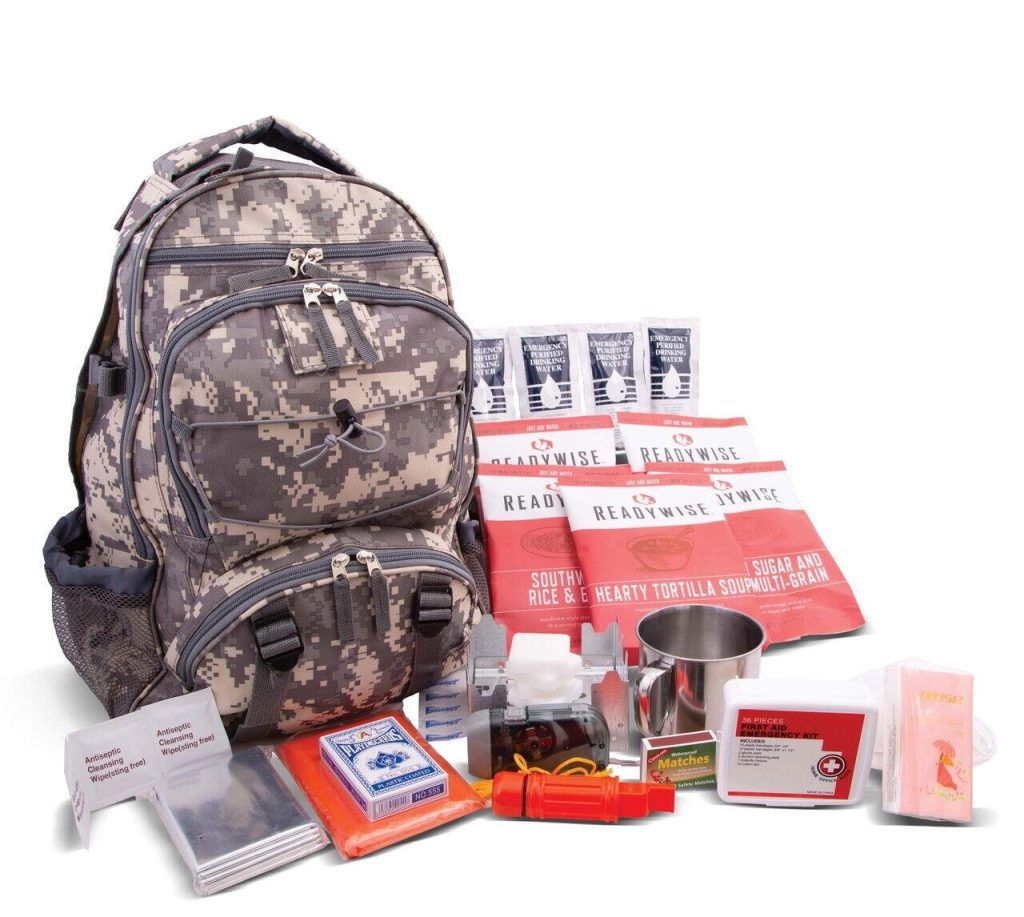
by Emma Suttie D.Ac, AP via The Epoch Times
It’s the middle of the night. You wake from a deep sleep and smell smoke. When you come to, you see flames in the next room and realize your house is on fire.
This is just one of many scenarios that can happen—at any time—to anyone. You may need to act in an instant, and having a bug-out bag prepared can help you mitigate the challenges emergencies present and ensure you have what you need to survive during—and after—the emergency.
Bug-Out Bags Defined
Bug-out bags go by many different names:
- Go bag
- 72-hour bag
- Evacuation bag
- Disaster survival kit
- Emergency kit
These kits equip you with essential tools and supplies to handle a variety of emergencies and disasters. Backpacks are typically used for portability, which becomes crucial if you need to evacuate your home quickly or travel long distances on foot.
Creek Stewart is a survival expert, instructor, and author who incorporates practical survival skills, resilience, and personal growth in his teaching. In a previous interview with The Epoch Times, he spoke about emergency preparedness.
Stewart, author of “Build the Perfect Bug-Out Bag,” said he’s learned from survival that the darkest times can provide our greatest resources—physical and psychological.
“All the good resources in life that build character and integrity and resilience, they’re all found in the worst places of life. God uses hard times to build character and integrity, and those are built in the dark times and tested on the mountain peaks,” he added.
Your bug-out bag should not be too heavy to carry long distances during an emergency. For example, if your car breaks down, or you need to flee on foot because of a forest fire or other natural disaster.
Preparing in advance allows you the time to decide what you’ll need to survive in various worst-case scenarios. Without this preparation, you could be scrambling to gather supplies as a storm approaches or during an emergency—when you’re likely to be stressed and overwhelmed.
Stewart says there’s no need to make it complicated, and having a bug-out bag tucked away can give you peace of mind.
“It doesn’t have to cost thousands of dollars—it can be really simple, and you get to touch on a lot of different elements of survival,” he said.
A well-thought-out bug-out bag can mean the difference between being afraid and overwhelmed and calm and collected—enabling you to better handle the challenges ahead.
Example Situations
Having one bag packed with essentials and ready to go is crucial in a wide variety of situations. Some examples include:
- An evacuation is ordered due to a coming storm—you grab your bag and leave quickly.
- You wake up to a house fire or a wildfire headed your way.
- A robber breaks into your house, and you need to get out fast.
- A family member is critically injured in an accident, and you need to get to the hospital as soon as possible.
- A natural disaster forces you from your home, and you and your family spend weeks in a shelter.
- Your city is attacked by bombing or a bioweapon.
- A dam breaks near your community, and you need to leave before your home floods.
- One of your children falls out of a tree in your yard, and you grab your bag (which contains medical supplies) to help them.
- Riots break out near your home, and you want to leave to avoid potential problems.
Contents
Although it may initially seem overwhelming when planning what you may need in an emergency, Stewart says there are five main categories to consider when putting together your bug-out bag:
- Shelter
- Water
- Fire
- Food
- First-aid
Don’t forget supplies for your pets.
Resources such as Ready.gov and the American Red Cross have lists of supplies to include in your emergency preparedness kit. Some examples are:
- Water (one gallon per person per day)
- Non-perishable food (several days worth)
- Flashlight and extra batteries
- Battery-powered or hand-crank radio
- First-aid-kit
- Lighters, matches, and candles kept in containers or resealable bags to keep them dry
- Medications (at least a 7-day supply)
- Whistle (to signal for help)
- Multi-purpose tool, wrench, pliers (to turn off utilities if needed)
- Tarps or plastic sheeting, scissors, and duct tape (for shelter)
- Personal sanitation/hygiene items (wet wipes, toilet paper, pads/tampons, garbage bags, plastic ties)
- Can opener
- Cell phones and chargers
- Maps
- Copies of important documents like driver’s licenses, passports, birth certificates, insurance policies, and medical records/medication lists, sealed in a waterproof, resealable bag (in case of rain or flooding)
- Blankets
- A clean change of clothing, including an outer layer, like a rain jacket (in winter, have gloves, hat, scarf, and heavy socks)
- Comfortable running shoes or hiking boots (as you may need to walk long distances)
Stewart recommends additional items in his book “Disaster Survival 101” that include:
- Backpacking tent big enough for everyone in your household
- Sleeping bags and sleeping pads
- Rain gear/poncho
- Emergency survival blanket (these are pocket-sized)
- Camping water filter
- 1-liter metal canteen filled with fresh drinking water
- 1–2 collapsible plastic water containers
- Sillcock key (for accessing commercial water spigots)
- Ferrocerium rod fire starter, disposable lighter, fire tinder
- Open-and-eat meals (tuna packs, Spam, power bars, beef jerky, and dried snacks)
- Small camp stove
- Utensils and serving bowls
- Bar of soap in a resealable bag
- Toothbrush and toothpaste
- Fixed-blade knife
- Small folding saw
- Rechargeable headlamp
- Personal firearms, pepper spray for self-defense
- Permanent marker
- Duct tape
- Entertainment items like a deck of cards or portable games, which are great for kids
Each capable adult should have a bug-out bag, and some of the above items don’t need to be included for each person (for example, you only need one tent). Children should only carry lightweight essentials.
Because you don’t know where you will be when an emergency strikes, it is advisable to have bug-out bags in different locations, like home, work, and in your car.
Bug-out bags should be reviewed every few months to ensure foods haven’t expired and to swap out clothing for the appropriate season. Stewart suggests taking your fully loaded bag and hiking for several miles to ensure it’s comfortable and not too heavy.
According to The Prepared, a highly regarded resource for practical survival skills, the optimal weight of your bag is about 20 percent of your body weight or 45 pounds (whichever is less) if you don’t exercise regularly. Those who are physically fit can go up to 30 percent of their body weight (or 60 pounds, whichever is less).
Personal Safety
Self-defense is also something to think about when planning your bug-out bag. Stewart says that crime spikes are inevitable during natural disasters and that looting and home invasions are common. Self-defense items are a personal choice, with multiple options—both lethal and non-lethal. These include, but are not limited to:
- Firearms
- Pepper spray
- Tasers (shoots two metal prongs into attackers’ skin to deliver an electric charge)
- Stun guns (require direct contact and deliver a high-voltage shock)
Know your state’s gun laws and licensing requirements when considering self-defense options. States also have laws and regulations regarding tasers and stun guns. Additionally, consider that weapons in untrained hands can be more dangerous to the user than the intended target.
If you include firearms, take a training course (or several), have the relevant paperwork, and know the laws in your state for carrying and using firearms. Stewart advises adding a self-defense tool you are comfortable with to your emergency preparedness plan. This measure enhances your safety and your family’s security in a crisis…
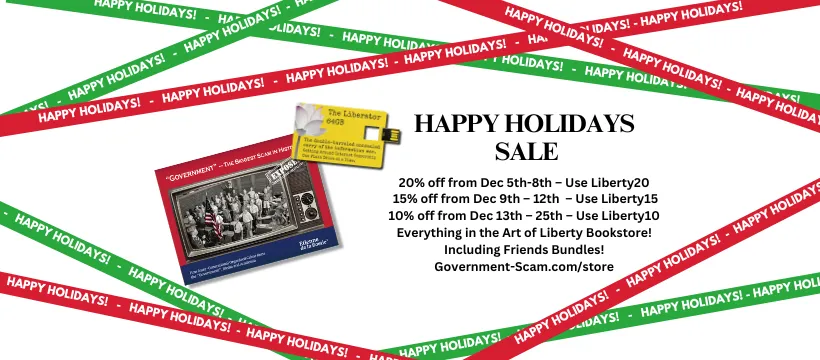
Happy Holidays from the Art of Liberty Foundation!
We Goofed! Our discount code for 20% didn’t work on December 8th so we are extending the 20% discount until midnight on Thursday, December 12th!
Celebrate the season with special discounts:
- 20% off from December 5th-12th with the code Liberty20
- 15% off from December 13th-16th with the code Liberty15
- 10% off from December 17th until Christmas with the code Liberty10
Shop for unique books and gifts now at Government-Scam.com/store and make this holiday season extra special!



Comments ()