
The Death of Durability: Why Everything is Built to Rot
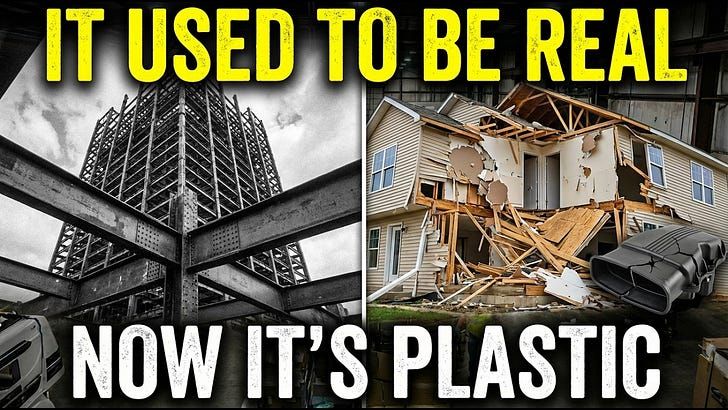
Look at the skyline of New York City in 1930. You see steel beams. You see stone. You see rivets the size of your fist. Now look at the house being built down the street from you today

You see glued sawdust. You see plastic pipes. And you see vinyl siding that will crack in ten years. You are not crazy. The physical world around you really is getting flimsier
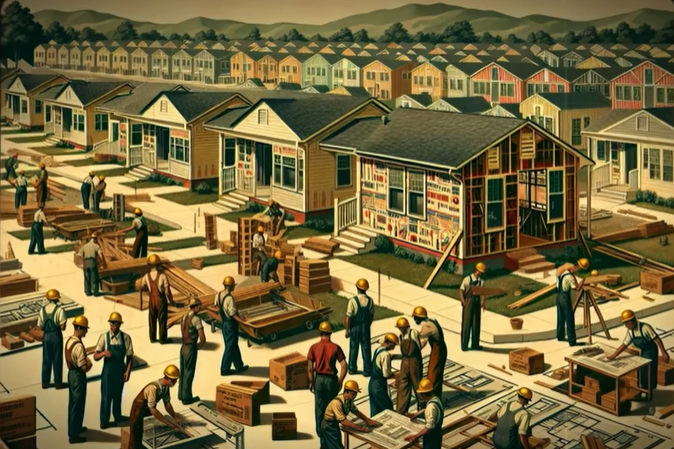
In 1960, when you bought a house, a truck, or a tool, you were buying an asset. In 2026, you were buying a subscription to a landfill. In this investigation, we are going to expose the material treason that has hollowed out the American economy. We are going to show you exactly how steel was replaced by plastic, how old growth timber was replaced by fast food lumber, and why the concept of heirloom quality has been erased from the dictionary. This is the forensic anatomy of the disposable era.
Chapter one, the economic rot. Before we look at the materials, we have to look at the math. In 1950, the cost of materials made up roughly 40% of the price of a new home or vehicle. You were paying for the physical substance. Today, materials make up less than 20% of the cost
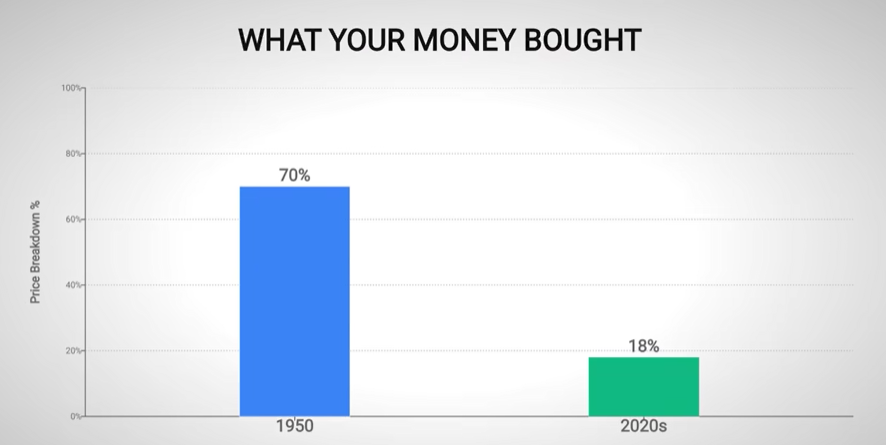
So what are you paying for? You’re paying for marketing. You’re paying for regulatory compliance. You’re paying for insurance. And you’re paying for record corporate profits.
To keep the sticker price affordable, while inflating the profit margin, manufacturers had to wage a war on the materials themselves. They could not make the product smaller, so they made it hollow. They call this value engineering. We call it the great cheapening. Exhibit a, the bones.
If you walk into a house built before 1950, the wood looks different. It is dark. It is heavy. It breaks drill bits. That is old growth lumber
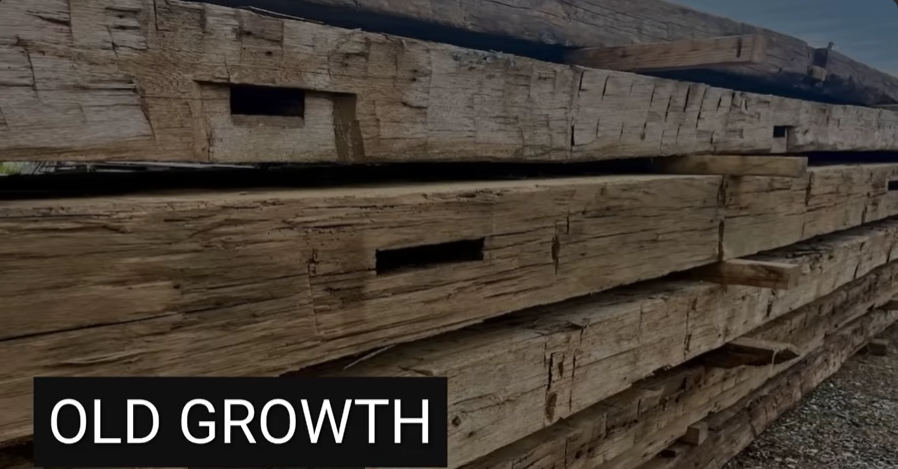
The trees grew slowly in a dense forest fighting for sunlight. This created tight growth rings that made the wood as hard as iron and naturally resistant to rot and termites. A two by four from 1950 actually measured two inches by four inches. It was a structural brick. Today, we build with farm raised lumber.
These trees are grown in rows, like corn, and harvested in twenty years. The growth rings are wide and soft. The wood is full of sap and air. It creates a frame that is spongy and wants to twist the second it dries. If you have ever tried to build a deck with modern lumber, you know that the boards warp into a propeller shape within a week
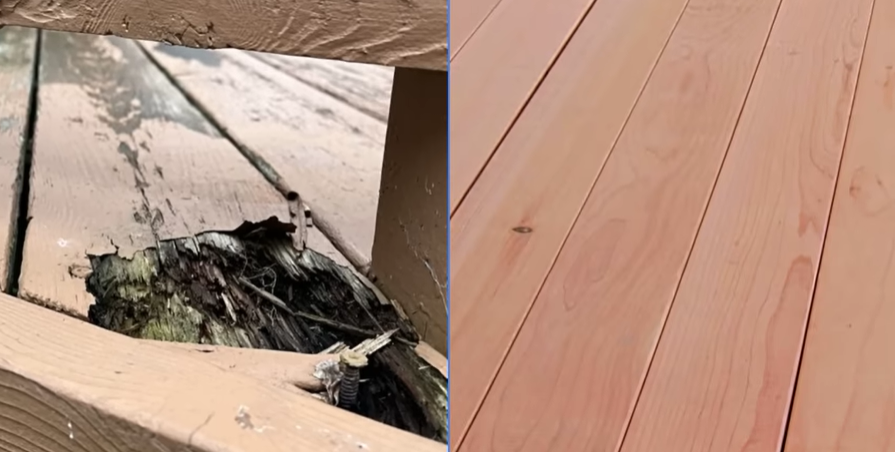
Now imagine that happening inside your walls. But they did not stop there. They realized that real wood, even the cheap stuff, was too expensive. So they invented oriented strand board. They took the scraps, the trash, and the wood chips, mixed them with glue, and press them into sheets
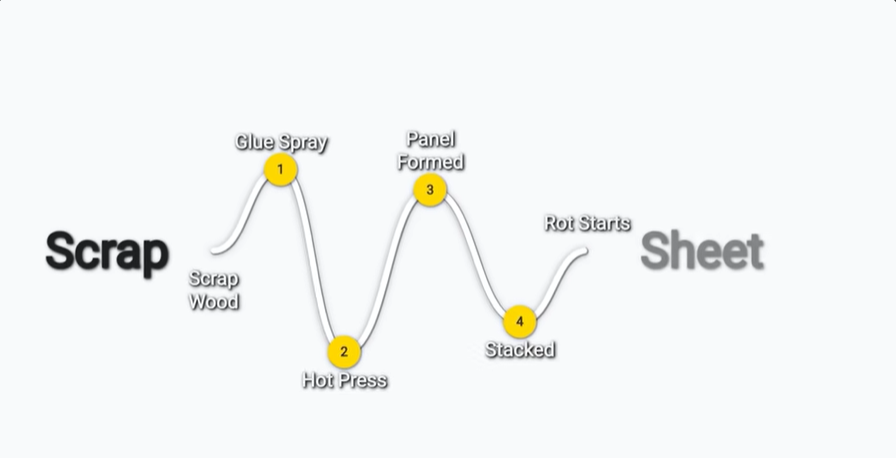
In the fire service, they call this solidified gasoline because it burns through in minutes, but to the builder, it is just efficiency. They traded a skeleton of ironwood for a skeleton of oatmeal and glue. When that glue gets wet, it dissolves. The structure turns to mush. We are building disposable houses on thirty year mortgages.
For a hundred years, the gold standard for plumbing was copper. Copper is antimicrobial. It does not degrade in sunlight. Rodents cannot eat through it. If you buy a house with copper pipes, they will likely last for eighty years
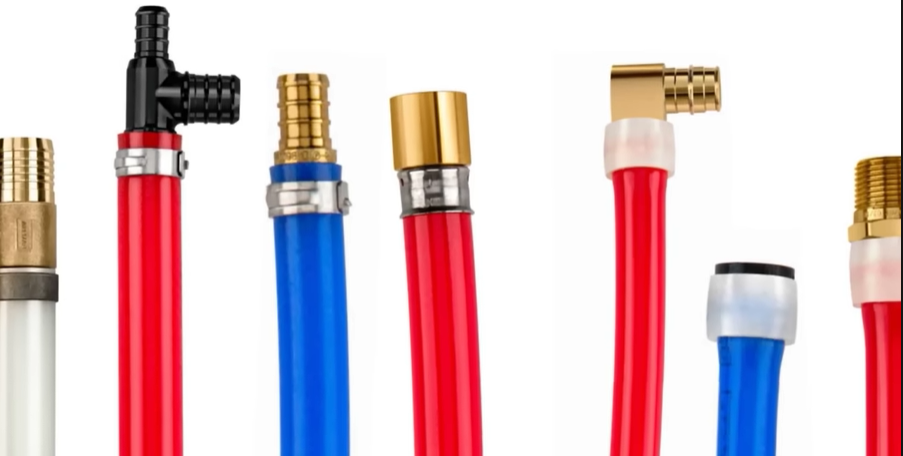
But copper costs money, so the industry switched to PEX and CPVAC, plastic. They told us it was better. They said it was flexible. They said it was the future, but they forgot to mention the downsides. They forgot to mention that if a rat gets into your walls, it will chew through a PEX line in thirty seconds to get to the water
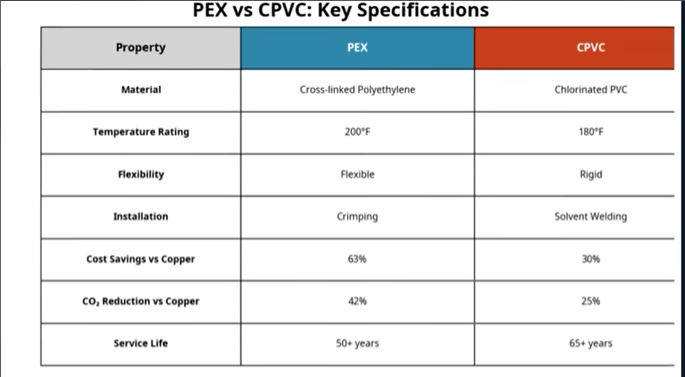
They forgot to mention that if PEX is exposed to ultraviolet light during construction, it becomes brittle and can burst ten years later. And they definitely do not talk about the chemical leaching that happens when hot water sits in cheap plastic pipes for decades. We traded the permanence of metal for the convenience of a garden hose just to save the builder $200 per house. Exhibit c, the heart. This is the most insulting shift of all.
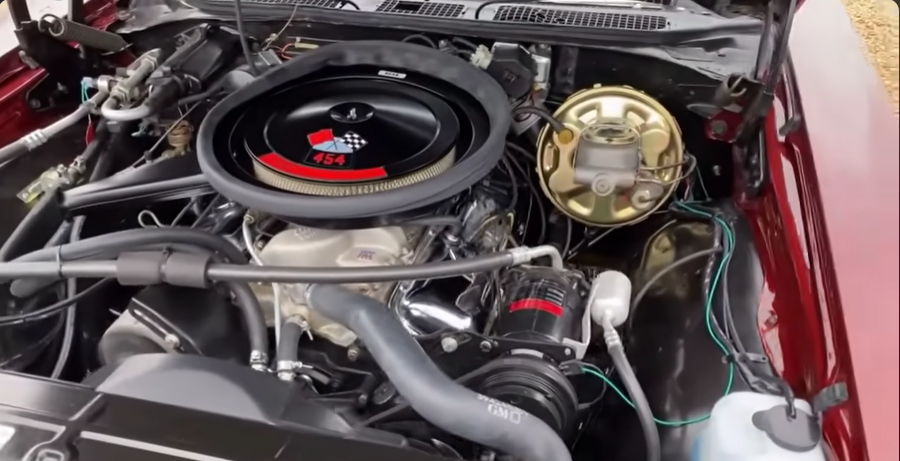
Open the hood of a 1970 Ford or Chevy. You see a cast iron engine block. You see an aluminum intake manifold. You see a metal radiator. Now look at a modern engine.
The intake manifold is plastic. The valve covers are plastic. The oil pan is plastic. Engineers will tell you this is for weight savings. That is a lie.
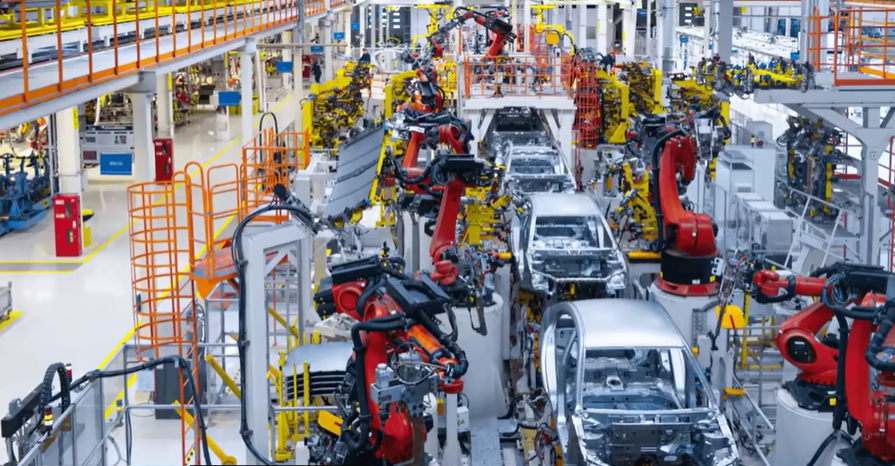
It is for cost savings. The worst offender is the cooling system. In the past, the water pump had a metal impeller. It spun for decades. Today, many manufacturers use a plastic impeller.
Over time, hot coolant makes the plastic brittle. The fins snap off inside the engine block. The engine overheats. The head gasket blows. Your $80,000 truck is destroyed by a 50¢ piece of plastic.
We are also seeing the death of the dipstick. Transmissions used to have a metal stick that let you check the fluid level in ten seconds. Today, they are sealed units. They claim the fluid is lifetime fluid, but what they mean by lifetime is the lifetime of the warranty. Once that warranty expires, the fluid breaks down, the transmission fails, and because there is no dipstick, you never saw it coming
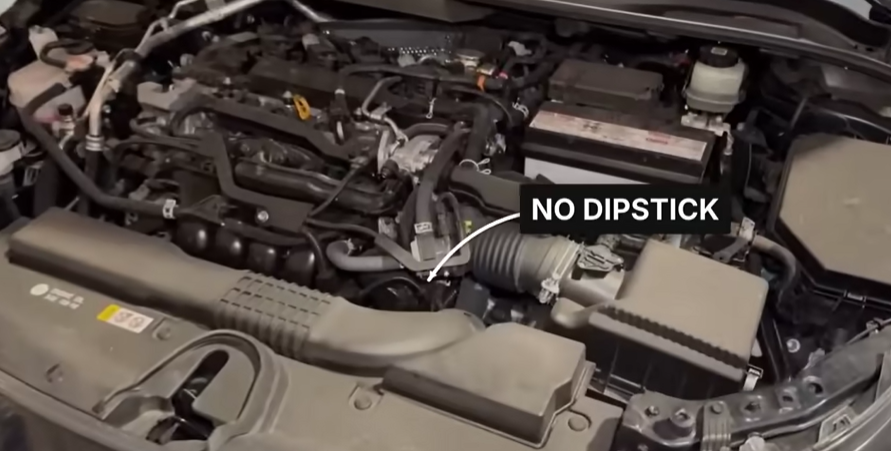
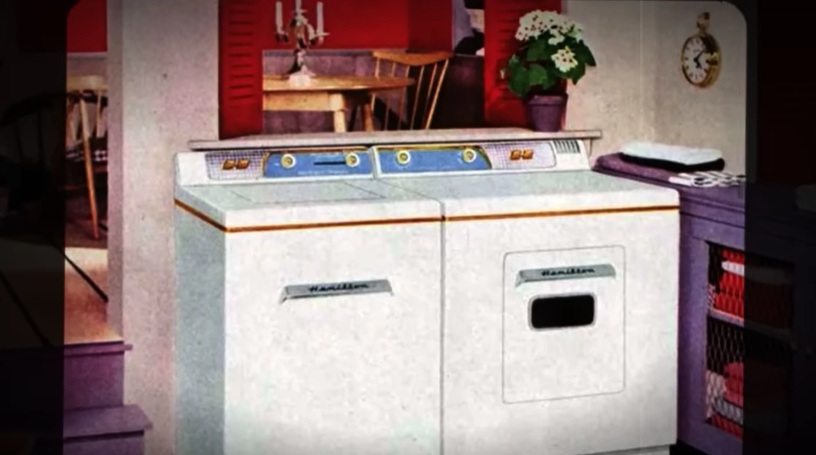
Exhibit D. The brain. This brings us to the appliances in your kitchen and laundry room. Your grandmother’s washing machine lasted for thirty years. It was loud.
It shook the floor, but it worked. That is because it was mechanical. It used a physical timer with gears and springs. If it broke, you could buy a $5 part and fix it. Today, your washing machine is a computer that gets wet
They have replaced the mechanical timer with a cheap printed circuit board. They place this delicate electronic brain in a hot, humid, vibrating environment. It is a recipe for failure. The capacitors on the board swell and burst. The solder joints crack from the vibration
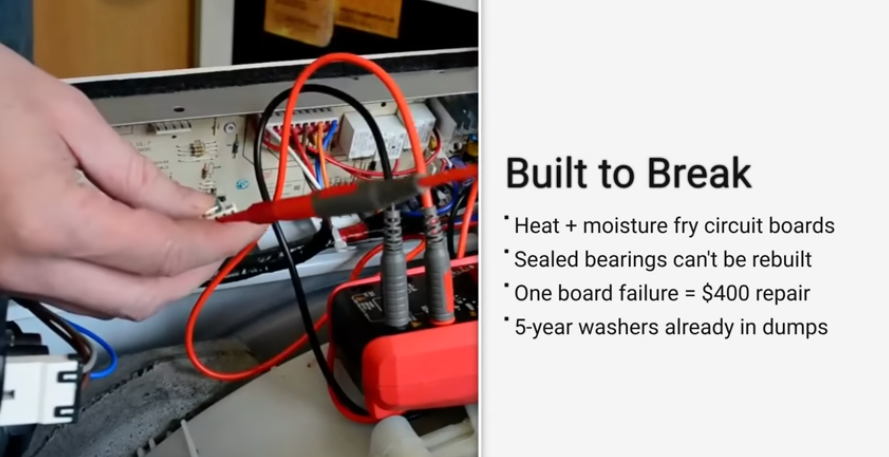
And when the board dies, you cannot just replace a capacitor. You have to replace the entire computer module, which costs $300. But the real killer is the sealed bearing. Old machines had bearings you could grease. New machines have bearings sealed inside a plastic tub.
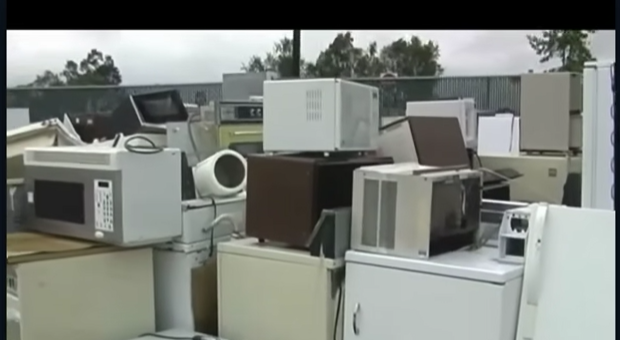
When the bearing fails, you cannot change it. You have to throw the entire machine away. This is why we see five year old Samsungs and LGs piling up in landfills, while 40 year old Maytag’s are still running in basements. Exhibit E, the skin. Finally, we have to talk about the illusion of quality
Modern manufacturing has mastered the art of making cheap materials look expensive. Look at the chrome on a modern truck. In the past, chrome was a layer of metal electroplated onto steel. It was heavy. It was cold to the touch

Today, it is vacuum metallized plastic. It is a thin layer of shiny foil sprayed onto a piece of molded plastic. After three years in the sun, it bubbles and peels, revealing the gray plastic underneath. Look at the leather in your car. Unless you are buying a 6 figure luxury car, that is not leather.
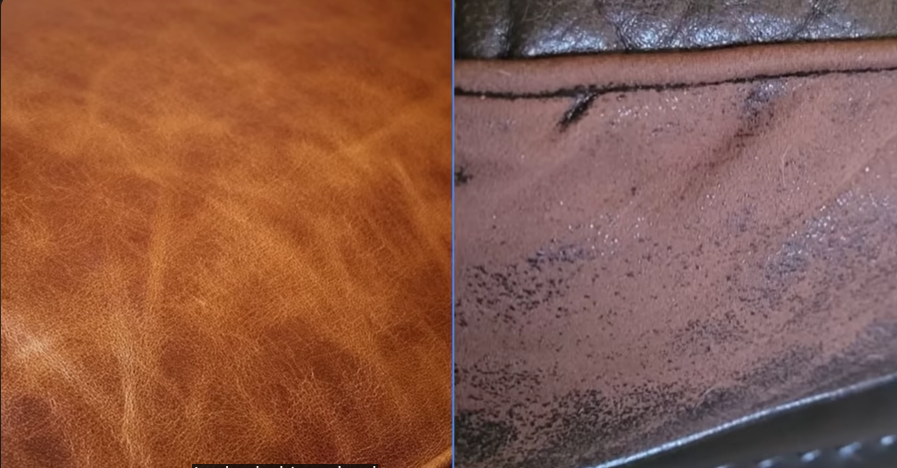
It is bonded leather or vinyl. It is leather dust mixed with glue and painted to look like hide. It does not wear in. It wears out. It cracks and peels in a way that real leather never would.
Look at the faucets in your bathroom. They look like brushed nickel, but pick one up. It weighs nothing. It is plastic with a metallic coating. Inside, the valves are plastic cartridges that wear out in a few years
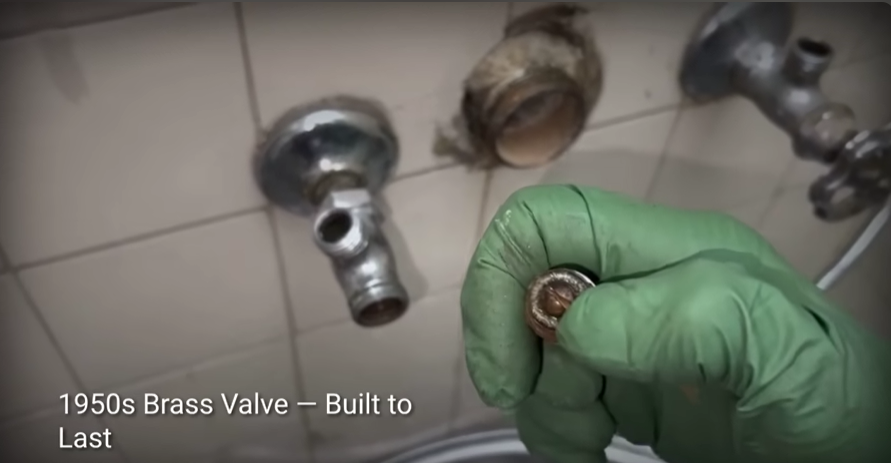
Old faucets used brass valves and rubber washers. They could be rebuilt forever. New faucets are designed to be thrown away when they drip. Why do they do this? Why has the entire economy shifted from durability to disposability?
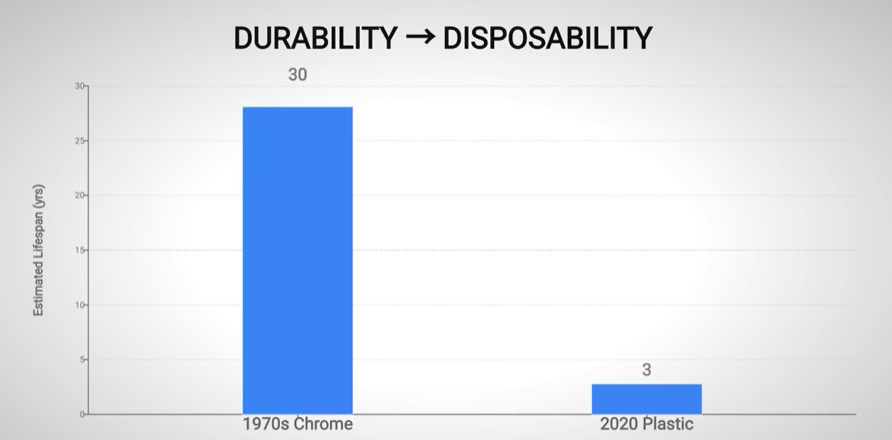
It is not because they cannot build it better. We have better material science today than we did fifty years ago. We could build a refrigerator that lasts for a hundred years. We could build a truck that lasts for a million miles. They do it because of the velocity of money
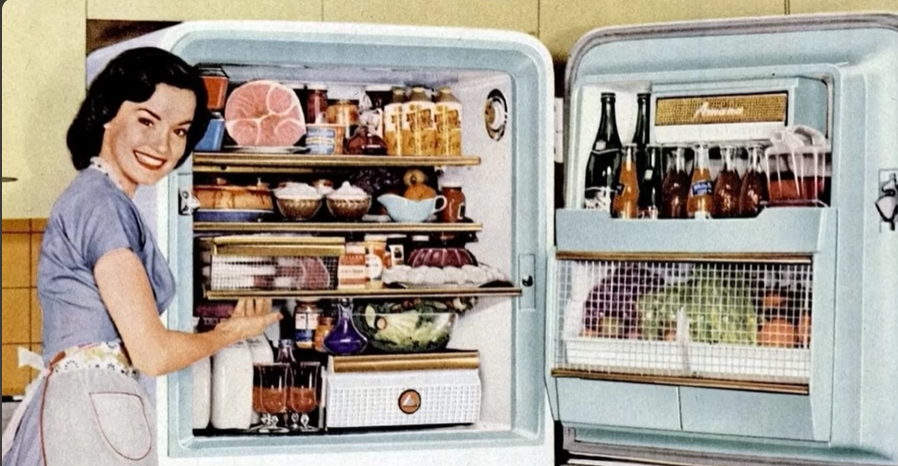
If a metal part lasts for fifty years, that is bad for business. You never buy a replacement. If a plastic part lasts for five years, that is perfect. It breaks just as you pay off the loan, forcing you to come back to the dealer for another one. They have engineered the durability out of the product to increase the velocity of your money leaving your wallet.
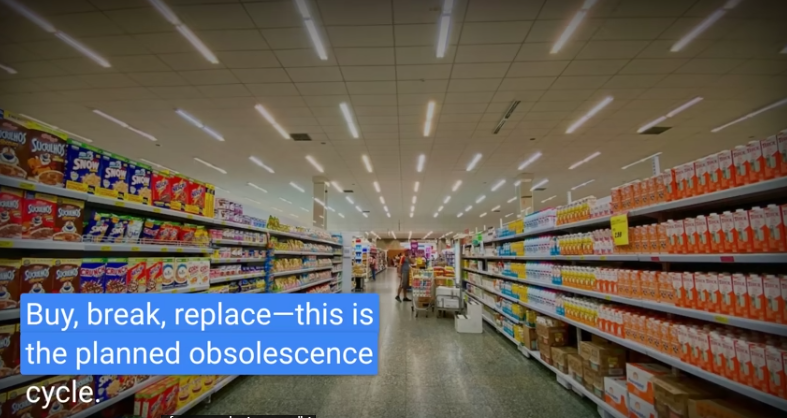
This is the planned obsolescence cycle. Buy, break, replace, repeat. Here is the verdict. We are living in a cardboard world painted to look like granite. They call it modernization.
We call it what it is. Decay. The reason your grandfather’s tools are still working and your new ones are broken is not nostalgia. It is physics. So what do you do?
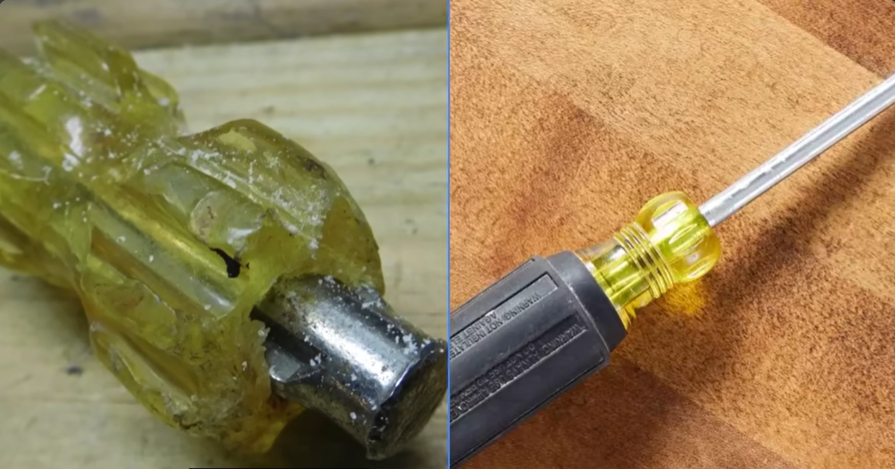
You reject the new. You maintain the old. You fix the copper. You keep the cast iron. You oil the old lumber.
And when you have to buy something, you look for the brands that we highlight on this channel. The ones that still use metal. The ones that still use bolts instead of glue. Because in a world built to rot, durability is the ultimate act of rebellion.
Get a paperback copy of Hayek for the 21st Century for FREE
As part of the Art of Liberty Foundation’s Tribute to Nobel Laureate F.A. Hayek, in cooperation with the Mises Institute and the US Justice Charitable Foundation who provided free copies, the Art of Liberty Foundation is helping promote and distribute the book to anyone who “Goes Paid” as an annual member on Substack OR makes a purchase at ArtOfLiberty.org/Store.

Go paid at the $5 a month level, and we will send you both the PDF and e-Pub versions of Etienne’s new book: To See the Cage Is to Leave It - 25 Techniques the Few Use to Control the Many, the PDF of Hayek for the 21st Century and a coupon code for 10% off anything in the https://artofliberty.org/store/.
Go paid at the $50 a year level, and we will send you a free paperback edition of Etienne’s new book: To See the Cage Is to Leave It - 25 Techniques the Few Use to Control the Many OR “Government” - The Biggest Scam in History… Exposed! OR a 64GB Liberator flash drive PLUS a paperback copy of Hayek for the 21st Century if you live in the US. If you are international, we will give you a $10 credit towards shipping if you agree to pay the remainder.
Support us at the $250 Founding Member Level and get a signed high-resolution hardcover of “Government” - The Biggest Scam in History... Exposed! + Liberator flash drive + a signed high-resolution hardcover of Etienne’s new book: To See the Cage Is to Leave It - 25 Techniques the Few Use to Control the Many PLUS everything else in our “Everything Bundle” of the best in voluntaryist thought PLUS a paperback copy of Hayek for the 21st Century delivered domestically. International pays shipping. Our only option for signed copies besides catching Etienne @ an event.


Comments ()