
The Portable Idol: Smartphones, Dopamine, AI, and the Slow Surrender of Human Attention
“The Righteous, Seduced by Their Own Devices”
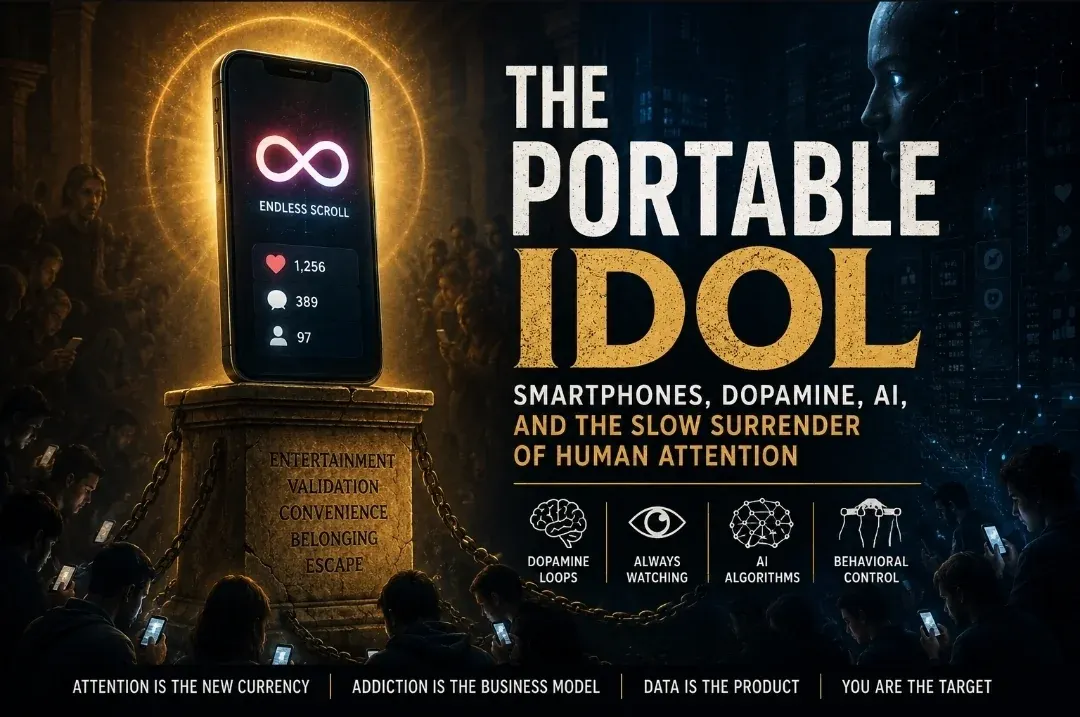
“The Righteous, Seduced by Their Own Devices”
Carlos Whittaker recently completed a 7.5-week experiment with no screens:
- no phone,
- no television,
- no laptop,
- no smartwatch,
- no digital stimulation.
Before and after the experiment, neuroscientists scanned his brain.
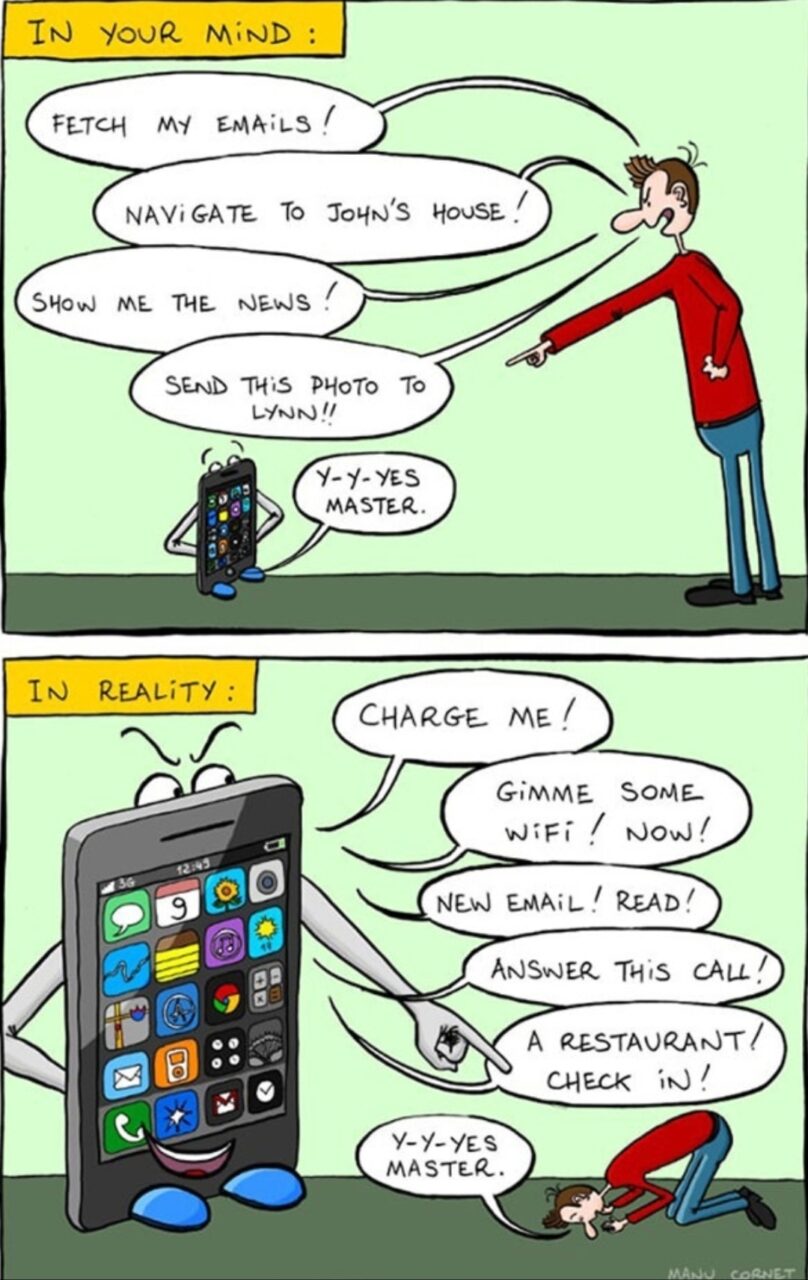
The results stunned people.
He claimed his cognitive memory score jumped from roughly the 50th percentile to the 99th percentile among adult men. He described feeling clearer, sharper, calmer, more emotionally alive, and more present than he had in years.
Whether every detail of the experiment ultimately holds up scientifically is almost secondary to the deeper question it raises:
What exactly are these devices doing to us?
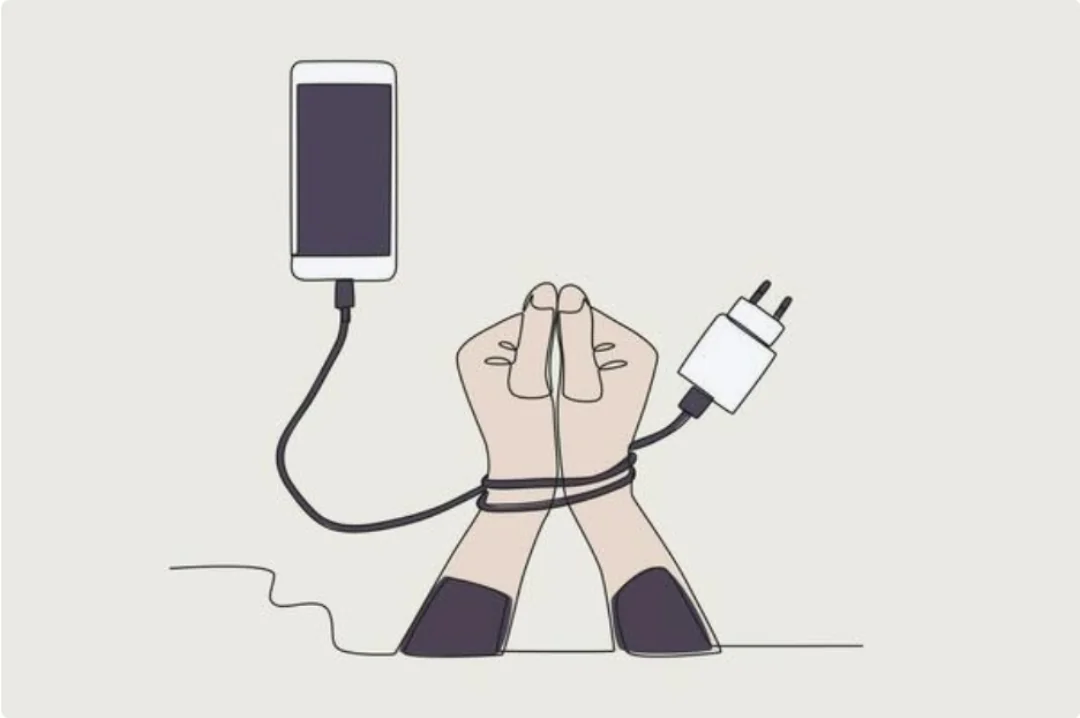
Most people intuitively feel something is happening.
We feel:
- distracted,
- fragmented,
- emotionally exhausted,
- unable to focus,
- restless in silence,
- anxious without stimulation,
- and increasingly unable to sit alone with our own thoughts.
We are hyperconnected digitally while simultaneously becoming emotionally isolated.
Something deeper is happening beneath the surface.
And perhaps the most frightening part is this:
We know it.
Yet we continue anyway.
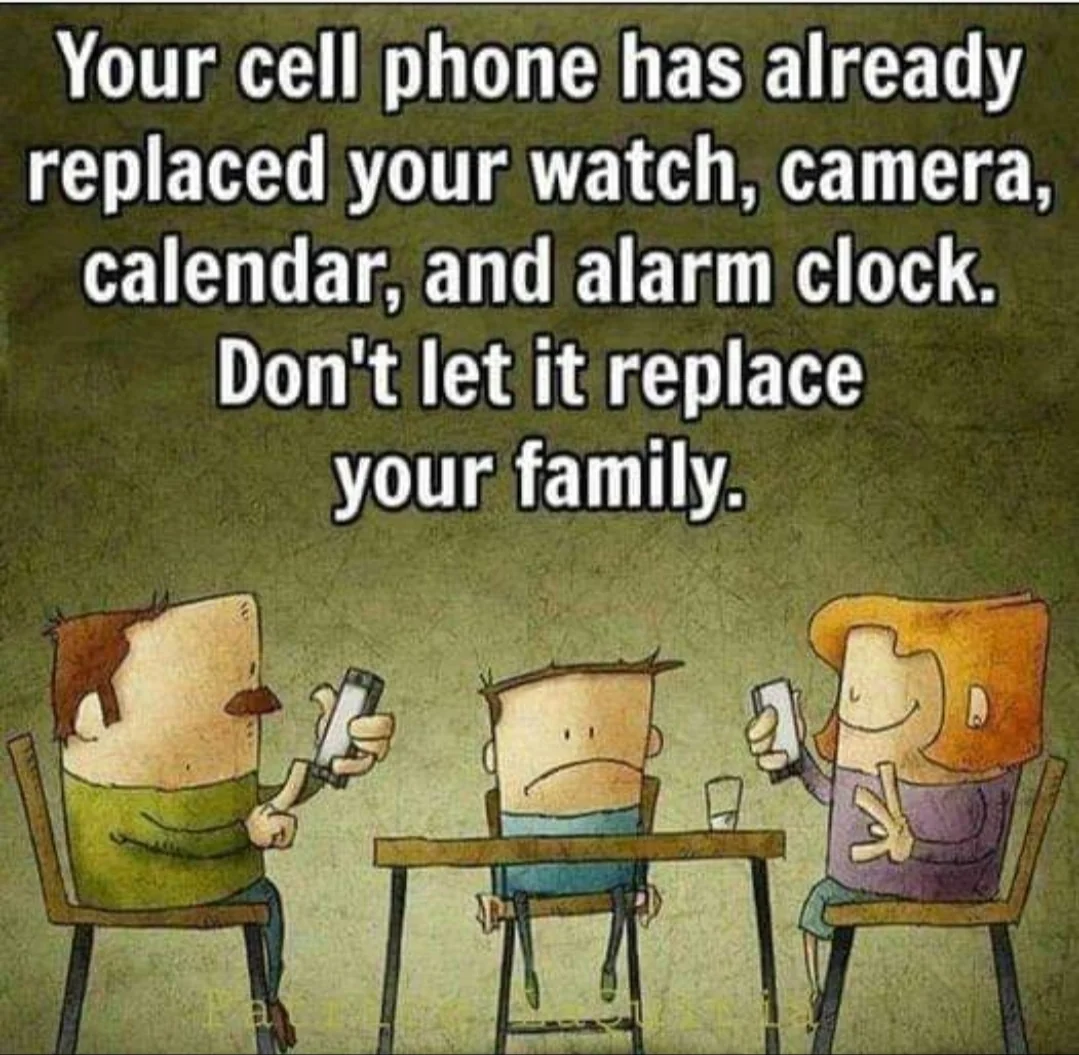
The Smartphone Is Not Just a Tool
The smartphone is unlike any technology humanity has ever created.
It is:
- a communication device,
- a casino,
- a dopamine dispenser,
- a social identity mirror,
- a surveillance node,
- a propaganda delivery mechanism,
- an entertainment machine,
- a shopping mall,
- a wallet,
- a television,
- a map,
- a therapist,
- a distraction engine,
- and increasingly an artificial companion.
All in one object.
And it is always with us.
The smartphone is not merely something we use anymore.
It has become the environment we live inside.
Why Phones Feel So Addictive
People often reduce the problem to “dopamine.”
But the issue is deeper than pleasure alone.
The true hook is intermittent reward.
This is the same mechanism that powers slot machines.
You never know:
- what notification is coming,
- who liked your post,
- what new video appears,
- what outrage story drops next,
- what message arrives,
- or what emotional stimulation waits behind the next swipe.
The unpredictability itself becomes addictive.
Every scroll carries possibility.
And the brain begins wiring itself around anticipation.
This creates compulsion loops:
- boredom = scrolling,
- anxiety = scrolling,
- loneliness = scrolling,
- discomfort = scrolling,
- exhaustion = scrolling.
The very thing relieving the discomfort slowly becomes the source of the discomfort.
“Hurts So Good”
Many addictions operate through a paradox:
they soothe while simultaneously damaging.
That is why people say:
- “I know this is bad for me.”
- “I waste hours every day.”
- “I can’t stop scrolling.”
- “I feel terrible afterward.”
- “I can’t focus anymore.”
The pleasure is real.
The damage is gradual.
And gradual damage is often the hardest kind to recognize.
Nobody wakes up one morning suddenly destroyed by technology.
Instead:
- attention weakens,
- memory shortens,
- emotional resilience declines,
- relationships thin out,
- sleep erodes,
- silence becomes intolerable,
- contemplation disappears,
- and presence slowly dissolves.
One notification at a time.
The Attention Economy
Modern technology companies do not primarily sell products.
They sell human attention.
Every second you remain engaged:
- generates data,
- increases advertising value,
- trains algorithms,
- strengthens prediction systems,
- and improves behavioral modeling.
This creates a dangerous incentive structure.
The system rewards:
- outrage,
- novelty,
- stimulation,
- emotional activation,
- endless scrolling,
- tribal conflict,
- sexual imagery,
- fear,
- and compulsive engagement.
The algorithms do not necessarily “hate” humanity.
But optimization itself can drift toward exploitation.
If maximizing engagement produces addiction-like behavior, the system naturally evolves toward more addictive designs.
The incentives themselves push in that direction.
The Portable Idol
Ancient people worshipped idols made of:
- wood,
- gold,
- silver,
- stone,
- and carved images.
Modern people often imagine idolatry as primitive superstition.
But the Hebrew and Greek ideas behind “idolatry” were much deeper than statues.
The Hebrew word elil often implied:
- emptiness,
- vanity,
- worthlessness,
- a false thing people trust in.
The Greek word eidolon meant:
- image,
- apparition,
- phantom,
- false representation.
An idol was not merely an object.
It was something people oriented themselves around:
- emotionally,
- spiritually,
- psychologically,
- socially.
Something capturing:
- devotion,
- trust,
- attention,
- identity,
- or desire.
That is why smartphones feel symbolically powerful in the modern age.
They increasingly mediate:
- relationships,
- identity,
- emotions,
- commerce,
- memory,
- entertainment,
- validation,
- politics,
- and reality itself.
The phone becomes:
- the thing we reach for in silence,
- the thing we seek in discomfort,
- the thing we trust for stimulation,
- the thing we check compulsively,
- the thing we sleep beside,
- the thing we panic over when missing.
Not because it is literally divine,
but because it increasingly governs:
- attention,
- attachment,
- behavior,
- and emotional regulation.
Seduced by the Spoils
One of the most profound scriptures describing societal corruption appears in Helaman 6:38:
“…the Nephites did build them up and support them… until they had overspread all the land… and had seduced the more part of the righteous until they had come down to believe in their works and partake of their spoils…”
Notice the pattern.
The people were not conquered only by force.
They were seduced.
By:
- convenience,
- profit,
- comfort,
- belonging,
- incentives,
- and participation.
That pattern matters today.
The most powerful systems are often the ones people willingly embrace because those systems provide:
- stimulation,
- comfort,
- entertainment,
- identity,
- social belonging,
- and emotional escape.
The danger is not merely oppression.
The danger is dependency.
Phones as Attachment Technology
Developmental psychologist Gordon Neufeld argues that modern digital technology has transformed from information technology into attachment technology.
This distinction is critical.
Children do not merely use phones for information.
They use them for:
- belonging,
- validation,
- emotional regulation,
- social hierarchy,
- and identity formation.
But human development requires:
- boredom,
- imagination,
- eye contact,
- struggle,
- hierarchy,
- embodied relationships,
- silence,
- and real-world attachment.
Without those things, emotional maturity weakens.
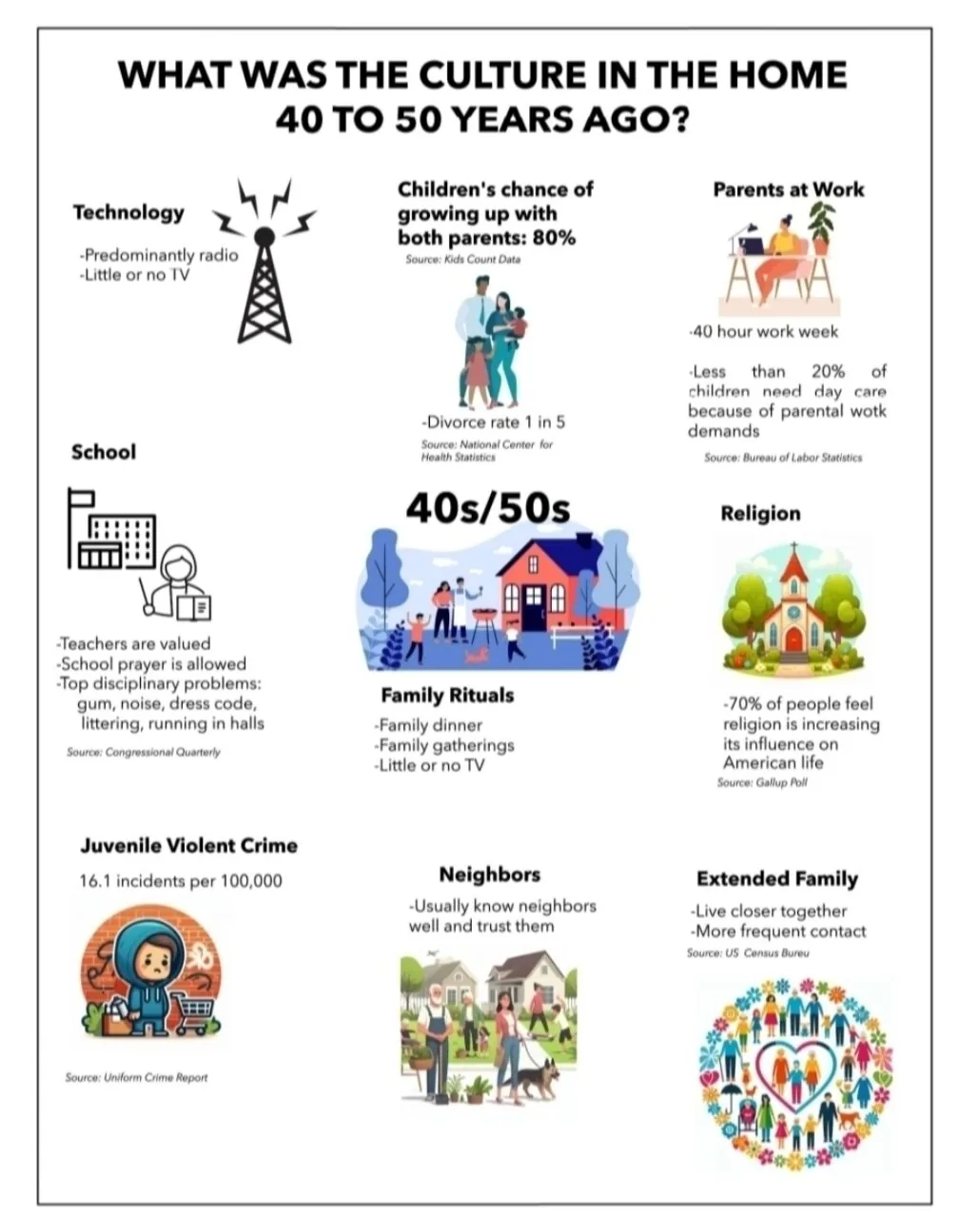
The phone becomes a substitute attachment system.
And once attachment migrates from:
- family,
- community,
- faith,
- and embodied relationships
toward: - algorithms,
- peer validation,
- and digital identity,
society itself begins changing psychologically.
The Surrender of Attention Is the Surrender of Influence
One of the deepest questions of the digital age is this:
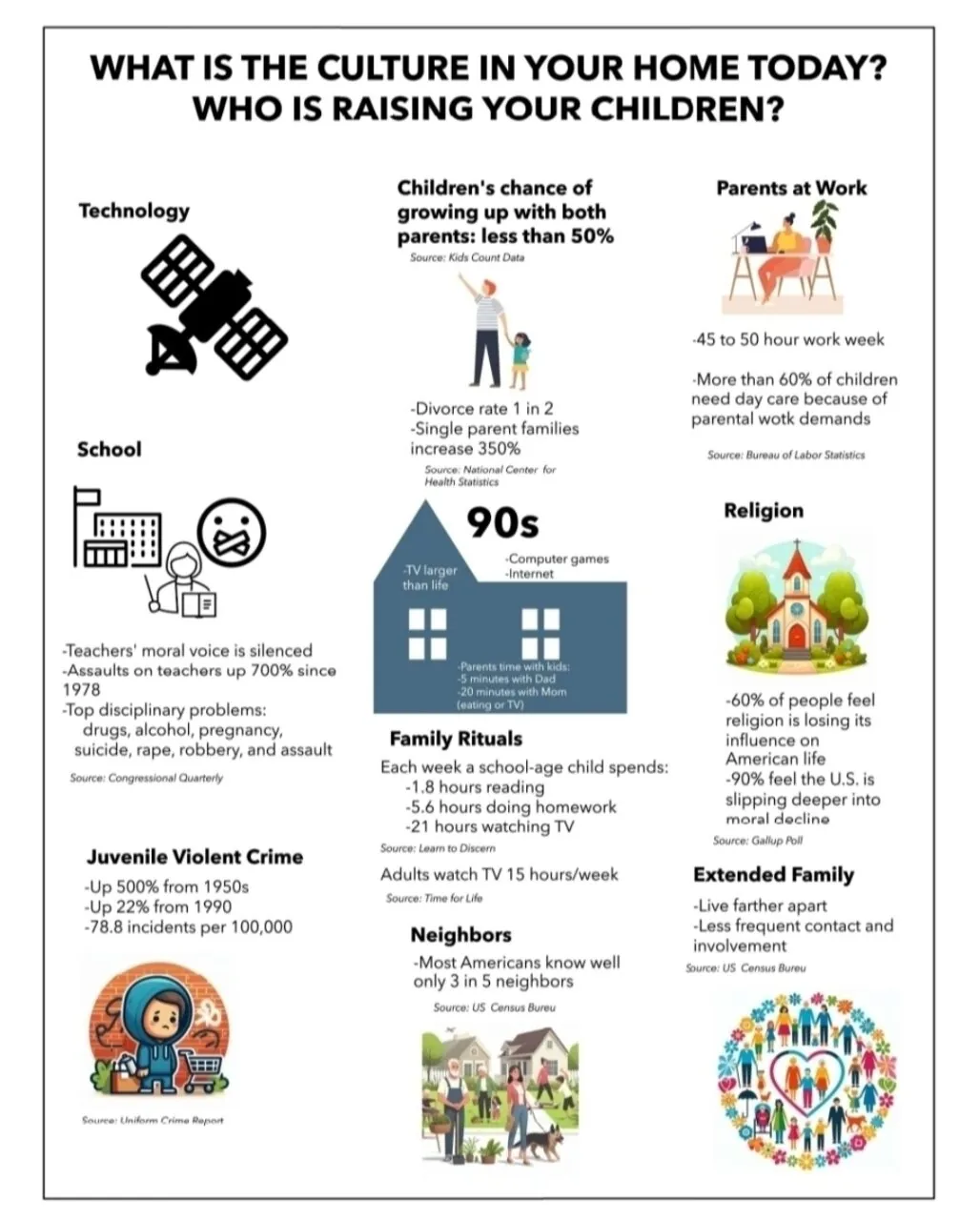
Who is shaping the minds, emotions, values, and identities of our children?
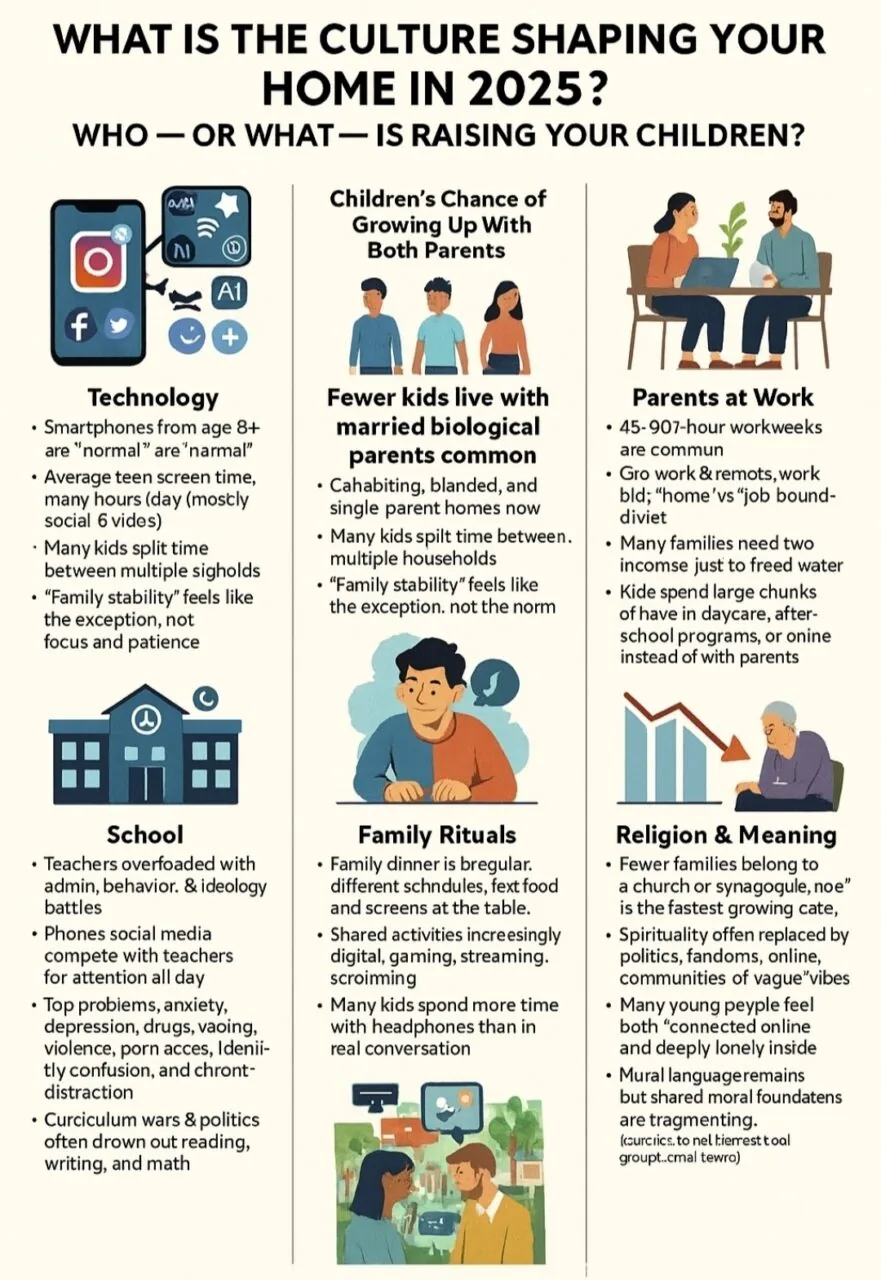
For most of human history, the primary influences on a child were:
- family,
- faith,
- community,
- local culture,
- real-world mentors,
- and lived experience.
Today, much of that formation is increasingly outsourced to screens.
Parents hand children devices for:
- entertainment,
- distraction,
- education,
- emotional regulation,
- and social belonging.
But attention is never neutral.
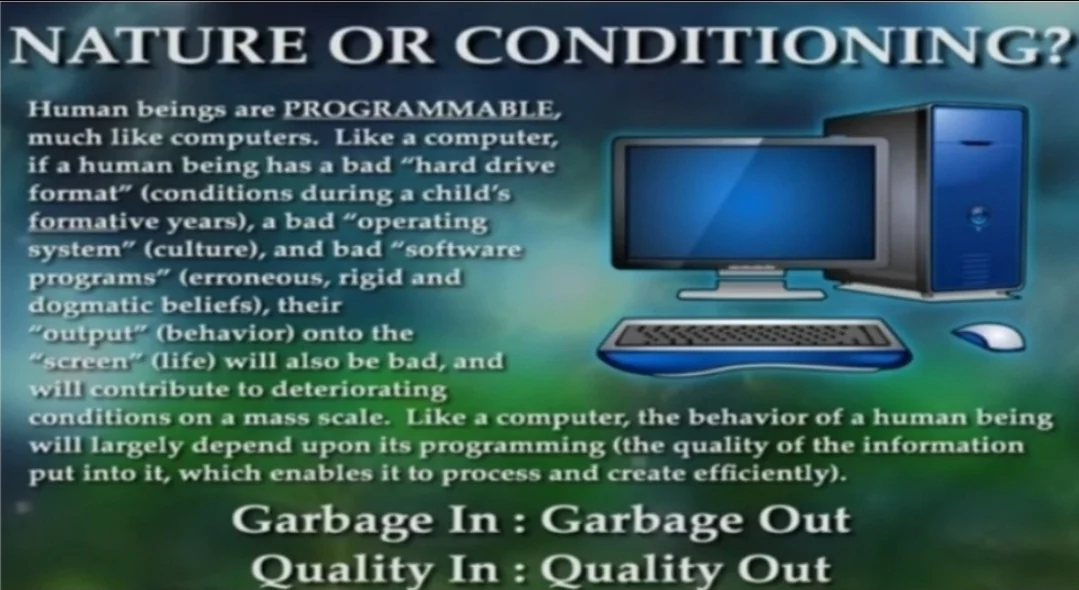
Whatever consistently captures attention eventually shapes:
- imagination,
- desires,
- fears,
- identity,
- behavior,
- and worldview.
That means phones and algorithms are not simply “tools.”
They are becoming behavioral environments.
The danger is not merely that technology entertains us.
The danger is that systems optimized for engagement increasingly shape:
- what people think about,
- how they feel,
- what they fear,
- what they desire,
- what outrages them,
- and what they believe is normal.
And unlike parents, families, or local communities, these systems are often optimized primarily for:
- attention extraction,
- emotional activation,
- advertising revenue,
- behavioral prediction,
- and engagement metrics.
The result is subtle but profound.
People slowly become easier to manipulate because their emotional worlds are increasingly mediated through algorithms.
Children especially become vulnerable because attachment itself migrates toward digital systems.
Phones become:
- emotional pacifiers,
- identity mirrors,
- social-status systems,
- and dopamine regulators.
In many ways, society is surrendering the molding of human consciousness to systems designed not primarily for wisdom or virtue, but for engagement and influence.
This does not require some cartoon villain secretly controlling everything.
The incentives themselves drive the outcome.
When the most profitable systems are the ones best able to:
- capture attention,
- predict behavior,
- maximize stimulation,
- and influence emotion,
then society naturally drifts toward increasingly addictive and psychologically immersive systems.
The frightening part is that much of this happens voluntarily.
People embrace the systems because they offer:
- comfort,
- belonging,
- entertainment,
- stimulation,
- convenience,
- and escape.
But over time, the tradeoff becomes clear:
The more attention we surrender, the more influence we surrender.
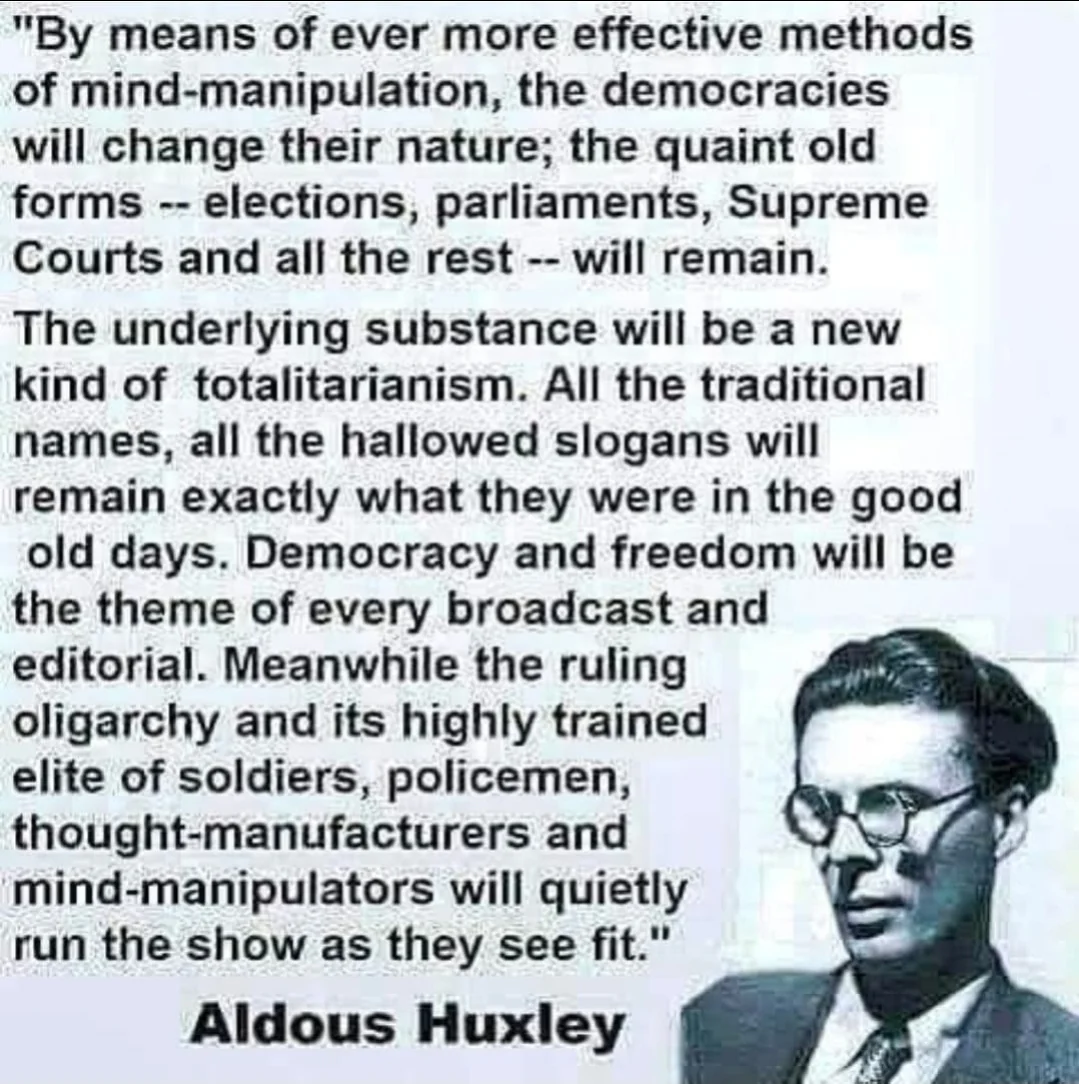
And eventually, a civilization distracted enough can become psychologically programmable without ever realizing it.
The Infantile Society
One of the strange paradoxes of modern technology is this:
Humanity has become technologically advanced while emotionally fragile.
We can:
- communicate globally,
- generate AI images,
- automate labor,
- and access infinite information.
Yet many people increasingly struggle with:
- loneliness,
- anxiety,
- attention,
- purpose,
- discipline,
- contemplation,
- and emotional resilience.
Why?
Because constant stimulation can freeze psychological maturation.
If every discomfort is escaped instantly:
- through scrolling,
- entertainment,
- pornography,
- shopping,
- outrage,
- or digital stimulation,
then people never develop the internal muscles needed for: - patience,
- reflection,
- endurance,
- and self-governance.
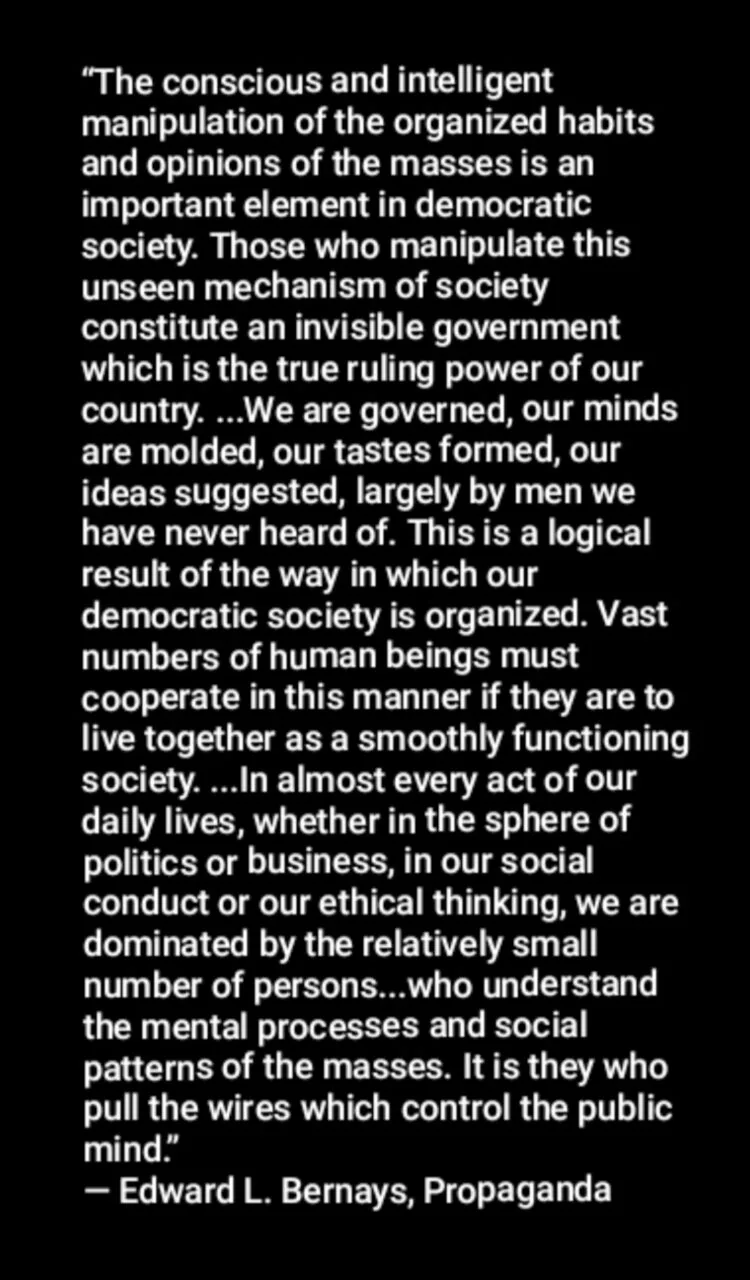
This creates what some thinkers describe as an increasingly infantile culture:
- emotionally reactive,
- dopamine dependent,
- unable to tolerate silence,
- and perpetually distracted.
AI and the Next Stage
Artificial intelligence amplifies this problem dramatically.
AI systems increasingly optimize:
- attention,
- emotional prediction,
- persuasion,
- behavioral manipulation,
- and personalization.
The phone is no longer simply displaying content.
It is learning you.
Your:
- fears,
- desires,
- emotional triggers,
- habits,
- politics,
- vulnerabilities,
- and behavioral patterns
are increasingly measurable.
This is where concerns about:
- surveillance capitalism,
- digital identity,
- social credit systems,
- programmable incentives,
- and technocratic governance
begin overlapping.
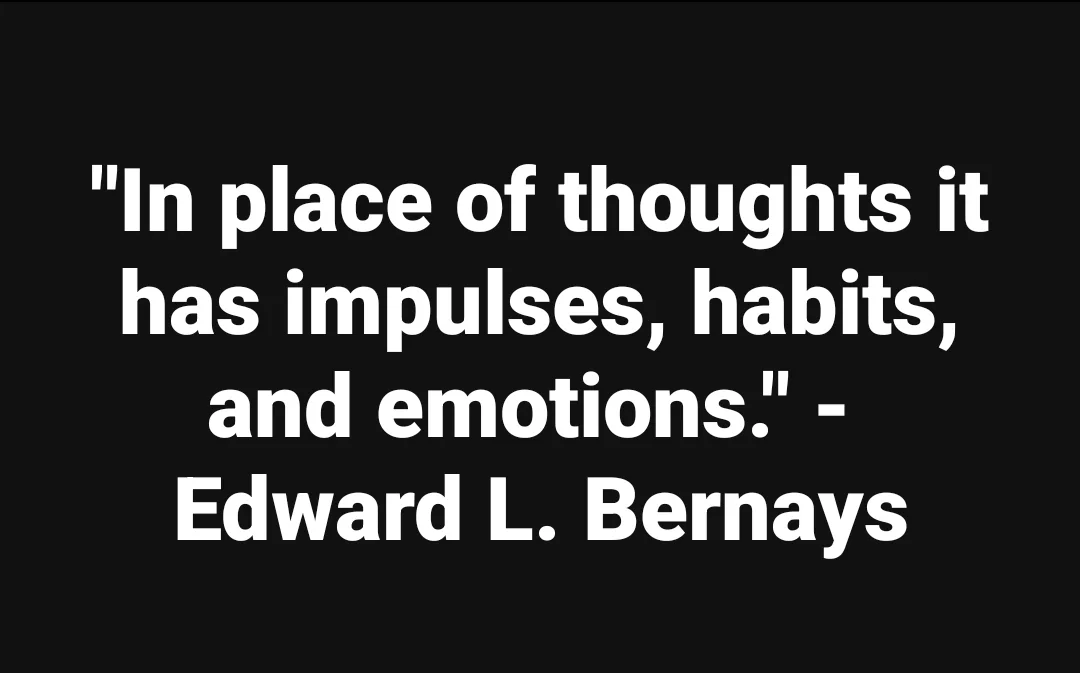
Because systems optimized for prediction naturally drift toward systems optimized for behavioral influence.
The Slow Surrender of Attention
The deepest danger may not be technological annihilation.
It may be voluntary surrender.
A civilization distracted into weakness.
Stimulated into passivity.
Entertained into dependency.
Not conquered primarily through chains,
but through endless comfort and stimulation.
The frightening part is that many people sense this already.
We feel:
- mentally fragmented,
- emotionally exhausted,
- spiritually numb,
- and unable to disconnect.
Yet the pull remains powerful.
Because the system is not merely rational.
It is neurological.
Psychological.
Emotional.
Social.
Spiritual.
Can Technology Serve Humanity?
Technology itself is not evil.
AI is not inherently evil.
Phones are not inherently evil.
The internet is not inherently evil.
The real question is:
Who shapes the incentives?
Do these systems strengthen:
- families,
- attention,
- local communities,
- wisdom,
- self-government,
- contemplation,
- and human flourishing?
Or do they optimize:
- addiction,
- engagement,
- emotional manipulation,
- dependency,
- surveillance,
- and behavioral control?
That is the true civilizational question of the digital age.
Will technology remain a tool serving humanity?
Or will humanity gradually reorganize itself around systems optimized for machine efficiency, prediction, and control?
Because whatever consistently captures human attention eventually shapes:
human identity,
human behavior,
and ultimately civilization itself.
The Best “Go Paid” Deal on Substack! You Get REAL Stuff!!

Go paid at the $5 a month level, and we will send you both the PDF and e-Pub versions of Etienne’s new book: To See the Cage Is to Leave It - 25 Techniques the Few Use to Control the Many and a coupon code for 10% off anything in the https://artofliberty.org/store/.
Go paid at the $50 a year level, and we will send you a free paperback edition of Etienne’s new book: To See the Cage Is to Leave It - 25 Techniques the Few Use to Control the Many OR “Government” - The Biggest Scam in History… Exposed! OR a 64GB Liberator flash drive if you live in the US. If you are international, we will give you a $10 credit towards shipping if you agree to pay the remainder.
Support us at the $250 Founding Member Level and get a signed high-resolution hardcover of “Government” - The Biggest Scam in History... Exposed! + Liberator flash drive + a signed high-resolution hardcover of Etienne’s new book: To See the Cage Is to Leave It - 25 Techniques the Few Use to Control the Many + everything else in our “Everything Bundle” of the best in voluntaryist thought delivered domestically. International pays shipping. Our only option for signed copies besides catching Etienne @ an event.


Comments ()